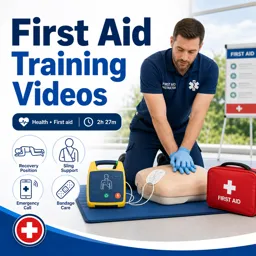
Free Course Image First Aid Training Videos

Free online courseFirst Aid Training Videos

Duration of the online course: 2 hours and 27 minutes

3.8

StarStarStarStar

(5)

Build life-saving first aid skills with a free online course: CPR, AED use, choking response, bleeding control and recovery position—includes practice questions.

In this free course, learn about

  • CPR for drowning casualties, incl. outdoor clothing/watersports equipment considerations
  • Adult cardiac arrest CPR basics and first actions after confirming scene safety
  • Using an AED with CPR: initial steps for a non-breathing casualty and safe defib use
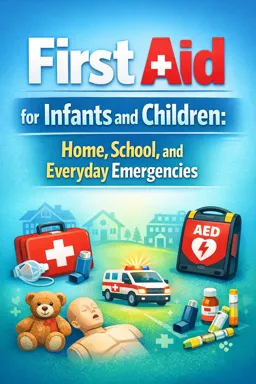
  • Child CPR sequence and technique differences vs adults
  • Infant CPR sequence and age-appropriate compressions/ventilations
  • Primary survey (DRABC/ABCDE): first step, airway/breathing checks in urban/outdoor settings
  • Secondary survey: head-to-toe assessment purpose and how to find hidden injuries
  • Recovery position options, incl. handling glasses and leg comfort/securement methods
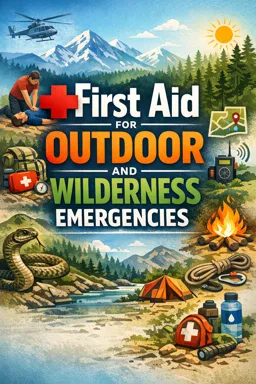
  • Management of unconscious casualties outdoors: safety, insulation, shelter, hypothermia prevention
  • Choking management for adults, children, and infants: first steps and escalation actions
  • Major bleeding control: CARE approach, pressure/bandages, and clotting-agent dressings
  • Impaled object care: stabilization and what actions to avoid (do not remove the object)
  • Splinting/immobilization: improvised femur splints, SAM splints, and stabilizing lower-leg fractures
  • Use of EpiPen and asthma inhaler + improvised spacer; key aftercare and monitoring

Course Description

Knowing what to do in the first critical minutes can change an outcome. This free online first aid course uses clear, scenario-based training videos and quick knowledge checks to help you respond with confidence at home, at work, in sport, or outdoors. You will build practical decision-making skills for real emergencies, focusing on staying calm, staying safe, and taking the right action fast.

You will learn to recognize when someone is in immediate danger and how to prioritize what matters most. The course guides you through primary and secondary casualty assessment, so you can spot life-threatening problems early, communicate effectively with emergency services, and continue monitoring while help is on the way. It also covers adapting your approach to different settings, from urban incidents to remote environments where weather, terrain, and limited resources can complicate care.

A major focus is high-impact interventions that save lives. You will practice the essential steps of CPR for adults, children, and infants, including variations for drowning scenarios and techniques for two rescuers. You will also learn how to use an AED safely and efficiently, how to manage choking in adults and in children, and how to respond to shock. These skills help you act decisively when breathing stops, circulation is compromised, or someone suddenly collapses.

Beyond resuscitation, the course strengthens your ability to manage serious injuries while protecting the casualty from further harm. You will explore practical ways to control major bleeding, support suspected fractures with slings or improvised splints, and manage wounds where an object is impaled. You will also learn how to position an unconscious person appropriately, including recovery position options for comfort and safety, and how to handle challenging situations such as a casualty found face down.

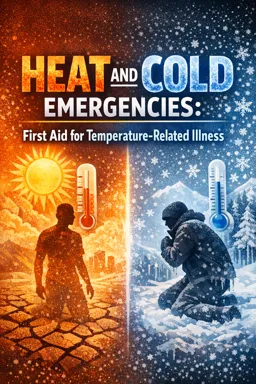
The training also addresses common high-risk events such as anaphylaxis and asthma. You will see how to assist with an auto-injector and inhaler use, including improvising a spacer when the right equipment is not available. Along the way, you will improve your ability to keep someone warm, insulated, and sheltered in cold, wet, or windy conditions, reducing the risk of hypothermia while waiting for evacuation or emergency care.

If you want practical, immediately useful first aid knowledge that translates into confident action, this course offers a flexible way to train at your own pace, reinforce key steps through questions, and develop habits that can make you a more capable bystander when it matters most.

Course content

  • Video class: How To Perform CPR on a Drowning Casualty 04m
  • Exercise: What is the correct protocol for CPR on an adult suspected of drowning, according to the FATC First Aid Training Cooperative video?
  • Video class: How to Perform a Primary Survey in an Urban Environment 04m
  • Exercise: What is the first step in performing a primary survey on a casualty in an urban environment?
  • Video class: How to Place an Unconscious Casualty in the Recovery Position 03m
  • Exercise: When preparing an unresponsive casualty for the recovery position, what should you do with any glasses they might be wearing?
  • Video class: How to Apply Slings for Arm or Shoulder Injuries 06m
  • Exercise: What is a key principle to follow when applying a sling to an arm injury?
  • Video class: How to Assess an Injury in a Sports Context 06m
  • Exercise: What is the acronym used by sports coaches to assess an injured player's condition on the field or during training?
  • Video class: How to Perform a Secondary Survey in an Urban Environment 03m
  • Exercise: What is the purpose of a secondary survey in first aid?
  • Video class: How to Perform CPR for a Suspected Cardiac Arrest 04m
  • Exercise: When performing CPR on an adult in cardiac arrest, what is the first step you should take after confirming the scene is safe?
  • Video class: How To Improvise a Femur Splint 05m
  • Exercise: In a remote environment, what is an important consideration when immobilizing a potentially fractured femur with improvised materials?
  • Video class: How to Treat an Injury With an Impaled Object in the Wound 04m
  • Exercise: When dealing with an injury that has a foreign object impaled in a limb, which step should be avoided?
  • Video class: How to Perform CPR And Use a Defibrillator AED 05m
  • Exercise: What is the first step to take when encountering a non-breathing casualty, according to first aid training practices?
  • Video class: How To Perform CPR on a Child 04m
  • Exercise: When performing CPR on a non-breathing child, what is the correct sequence of actions to follow after confirming the child is not breathing?
  • Video class: How to Remove Full Face and Open Face Helmets 03m
  • Exercise: When removing a helmet from a casualty with a potential airway obstruction, what is the primary goal during the process?
  • Video class: How To Perform CPR on an Infant 03m
  • Exercise: What is the correct sequence of actions when performing CPR on an infant who has stopped breathing?
  • Video class: How to Treat a Casualty for Shock 02m
  • Exercise: When treating someone you suspect might be suffering from shock, what is one of the immediate actions you should take if they are conscious?
  • Video class: How To Treat a Major Bleeding Incident 02m
  • Exercise: Which type of emergency bandage contains a clotting agent impregnated into the pad?
  • Video class: How to Perform CPR for a Drowning Casualty in Outdoor Clothing 03m
  • Exercise: When performing CPR on someone wearing watersports equipment, what should you do first?
  • Video class: How to Treat an Unconscious Casualty in the Outdoors 08m
  • Exercise: When managing an unconscious casualty outdoors, what should you consider first to ensure safety?
  • Video class: Options for Placing an Unconscious Casualty in the Recovery Position 06m
  • Exercise: When adjusting the recovery position to avoid discomfort in a casualty's leg, what is a suggested method to secure their legs?
  • Video class: How To Use an Auto Injector (Epi Pen) for Anaphylaxis 02m
  • Exercise: What is an important step to take after using an EpiPen on someone experiencing an anaphylactic reaction?
  • Video class: Calling the Emergency Services in the Outdoors 02m
  • Exercise: When trying to make an emergency call in a mountainous area, what should you do if your phone has no reception?
  • Video class: How To Improvise Slings for Arm or Shoulder Injuries 03m
  • Exercise: What is one improvised method to create a sling for an injured arm in an outdoor context?
  • Video class: How To Use An Asthma Inhaler and Improvise a Spacer 01m
  • Exercise: What can be used as an improvised spacer if a person does not have a commercial spacer available?
  • Video class: How To Treat an Unconscious Casualty with 2 Rescuers 04m
  • Exercise: In a scenario where a casualty has a suspected head, neck, or spinal injury in an outdoor environment, what is the primary responsibility of the trained first aider?
  • Video class: How to Treat an Unconscious Casualty on Their Front 04m
  • Exercise: What is the first step to take when performing a primary survey on a casualty who is not lying on their back?
  • Video class: How To Treat a Choking Adult 02m
  • Exercise: What is one of the first steps to take when assisting an adult who may be choking?
  • Video class: How to Treat a Choking Child or Infant 03m
  • Exercise: What should be the first step in trying to clear a choking obstruction in a child?
  • Video class: How to Monitor a Conscious Casualty 06m
  • Exercise: When monitoring a casualty after an incident, why is it important to gather certain personal and medical information?
  • Video class: How To Insulate, Shelter, and Monitor an Unconscious Casualty 07m
  • Exercise: When managing a casualty in a cold, wet, and windy environment, what is an essential action to prevent hypothermia?
  • Video class: How to Treat a Significantly Bleeding Injury 05m
  • Exercise: What is the first step when treating a significantly bleeding wound according to the CARE acronym?
  • Video class: How To Treat a Minor Amputation 03m
  • Exercise: What is the first step in treating a minor amputation injury according to the care procedure?
  • Video class: How To Perform CPR with 2 Rescuers 03m
  • Exercise: In a CPR scenario with a non-breathing adult, what is the correct sequence of actions you should take if a bystander is present to help?
  • Video class: How to realign and stabilise lower leg - using other leg 04m
  • Exercise: When stabilizing a fractured lower leg, what is a crucial step to ensure proper immobilization?
  • Video class: How To Insulate and Shelter a Casualty in an Urban Context 02m
  • Exercise: What is one of the first steps to take when keeping a casualty warm in a cold environment while waiting for emergency services?
  • Video class: How to realign and splint lower leg using SAM type splint 05m
  • Exercise: What is the primary purpose of using a Sam Splint or other materials like carry mats when dealing with a lower leg injury in a casualty?

This free course includes:

2 hours and 27 minutes of online video course

Digital certificate of course completion (Free)

Exercises to train your knowledge

100% free, from content to certificate

Ready to get started?Download the app and get started today.

Install the app now

to access the course
Icon representing technology and business courses

Over 5,000 free courses

Programming, English, Digital Marketing and much more! Learn whatever you want, for free.

Calendar icon with target representing study planning

Study plan with AI

Our app's Artificial Intelligence can create a study schedule for the course you choose.

Professional icon representing career and business

From zero to professional success

Improve your resume with our free Certificate and then use our Artificial Intelligence to find your dream job.

You can also use the QR Code or the links below.

QR Code - Download Cursa - Online Courses

Course comments: First Aid Training Videos

LM

Lucia Makabane

I want certificate of CPR and first Aid

LM

Lucia Makabane

StarStarStarStarStar

print my certificate

More free courses at First aid

Free Ebook + Audiobooks! Learn by listening or reading!

Download the App now to have access to + 5000 free courses, exercises, certificates and lots of content without paying anything!

  • 100% free online courses from start to finish

    Thousands of online courses in video, ebooks and audiobooks.

  • More than 60 thousand free exercises

    To test your knowledge during online courses

  • Valid free Digital Certificate with QR Code

    Generated directly from your cell phone's photo gallery and sent to your email

Cursa app on the ebook screen, the video course screen and the course exercises screen, plus the course completion certificate