Accidents rarely announce themselves. A cut while cooking, a scraped knee, a sudden headache, or a minor burn can happen at any moment. Having a well-stocked first aid kit at home means you can respond calmly and quickly instead of scrambling for supplies. Yet many households either lack a kit entirely or keep a random collection of expired items in a drawer. This guide will walk you through how to build a practical home first aid kit, what to include, and how to keep it ready when you need it most.
Why every home needs a first aid kit
A first aid kit is one of the simplest and most valuable safety tools you can own. In the first moments after a minor injury, quick care can reduce pain, prevent infection, and stop a small problem from becoming a bigger one. Having supplies in a known, organized place saves precious time and helps everyone in the household act with confidence.
A home kit is not meant to replace professional medical care. Instead, it bridges the gap until help arrives or handles the everyday bumps and scrapes that do not require a doctor. Think of it as your household’s first line of response, ready for both small mishaps and the early stages of a more serious situation.
Essential supplies to include
A useful kit balances the basics for wound care, tools, and general supplies. You do not need anything fancy to get started. The following items form a solid foundation for most homes:
- Adhesive bandages in a variety of sizes for small cuts and blisters.
- Sterile gauze pads and rolls to cover and protect larger wounds.
- Medical adhesive tape to hold dressings in place.
- Antiseptic wipes or solution to clean wounds and reduce infection risk.
- Scissors and tweezers for cutting tape and removing splinters.
- Disposable gloves to protect both the helper and the injured person.
- A digital thermometer to check for fever.
- An elastic bandage for sprains and strains.
- Instant cold packs to reduce swelling and ease pain.
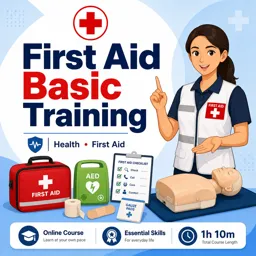
Beyond these basics, it is wise to include any personal or family-specific items, such as prescribed medications, an inhaler, or supplies for allergies. Tailoring the kit to your household’s needs makes it far more useful in a real situation.
Organizing your kit
Supplies are only helpful if you can find them quickly. Choose a container that is sturdy, roomy, and easy to open, such as a plastic box with a secure lid or a dedicated pouch. Group similar items together, for example keeping all wound dressings in one section and tools in another. Clear compartments or small labeled bags make it easy to grab what you need under pressure.
Store the kit in a cool, dry place that adults can reach easily but that is out of the reach of young children. Many families keep one kit in the kitchen or bathroom and a smaller version in the car. Make sure everyone in the household knows where the kit lives, because a kit no one can find in an emergency is of little use.
Keeping your kit ready
A first aid kit is not something you set up once and forget. Supplies get used, and some items expire or degrade over time. To keep your kit reliable, build a simple routine of checking it a few times a year.
| Task | How often |
|---|---|
| Restock used items | Immediately after use |
| Check expiration dates | Every three to six months |
| Review contents for family needs | Once or twice a year |
| Confirm everyone knows its location | Whenever it changes |
Setting a reminder on your phone or tying the check to a regular event, such as the change of seasons, makes it easy to stay consistent. A few minutes of maintenance ensures the kit will actually work when a real need arises.
Knowing how to use it
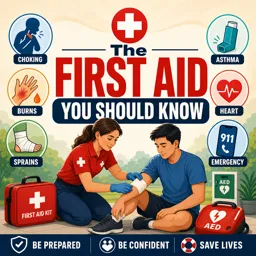
Owning a first aid kit is only half the equation. Knowing how to use its contents makes all the difference. Take some time to learn basic skills, such as how to clean and dress a wound, how to treat a minor burn, and how to recognize when an injury needs professional attention. Even a short introduction to first aid builds the confidence to act calmly in stressful moments.
It also helps to keep a small card or note in the kit with emergency phone numbers and simple reminders. In a crisis, clear information reduces panic and helps you focus on giving effective care while professional help is on the way.
Adapting the kit to your lifestyle
No two households are exactly alike, so the ideal kit varies from home to home. A family with young children may add extra child-friendly bandages and a fever-reducing option suited to their age, always following medical guidance. Households with pets might keep separate supplies for animal care, while people who love hiking or camping benefit from a compact travel kit designed for the outdoors, where help can be far away.
Thinking about your daily routines and the most likely minor emergencies helps you decide what to prioritize. The goal is not to build the largest kit possible, but the most relevant one. A thoughtful, well-matched kit that you understand and maintain will always serve you better than an oversized box of items you never learned to use.
Conclusion
Building a home first aid kit is a small effort that pays off enormously in peace of mind and safety. By gathering the essential supplies, organizing them well, and keeping the kit up to date, you prepare your household to handle everyday injuries and unexpected emergencies with confidence. If you would like to learn how to respond effectively when it matters, consider exploring the free first aid and health courses on Cursa, which teach practical, potentially life-saving skills in a clear and accessible way.