Why Choose a Professional Bakery Course?
The bakery industry is bustling with career opportunities for those passionate about turning flour, sugar, and creativity into delightful products. Enrolling in a professional bakery course offers more than just recipes—it provides the technical skills, business know-how, and industry connections needed for success.
Core Skills Taught in Bakery Courses
- Ingredient Mastery: Understanding the role of flours, yeasts, fats, and emulsifiers in baking.
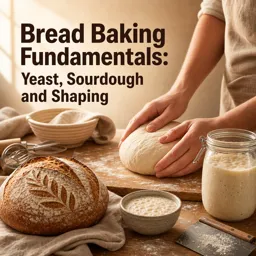
- Dough Science: Kneading techniques, fermentation control, gluten development, and mixing methods.
- Baking Techniques: Hands-on practice with ovens, proofers, and sheeters. Emphasis on consistency, texture, and flavor.
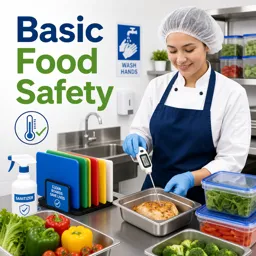
- Sanitation & Food Safety: Best practices that are essential for running a successful food business.
- Artistic Presentation: Basic and advanced decorating skills, from glazing to handcrafted toppings.
- Production Planning: Efficiency in batch production, timing, and inventory management.
- Business Essentials: Menu development, bakery layout, pricing strategy, and customer relations.
Hands-On Learning in Professional Bakeries
Industry-standard bakery courses combine classroom instruction with practical kitchen experience. Students often apprentice in real bakery environments, learning to troubleshoot common challenges such as humidity adjustments, ingredient substitutions, and large-scale orders.
Career Opportunities After Bakery Training
Graduates can pursue diverse careers as artisanal bakers, pastry chefs, bakery owners, or product developers for food brands. The demand for skilled bakery professionals is robust in hotels, restaurants, and specialty bakeries worldwide.
Tips for Getting the Most From Your Bakery Course
- Practice regularly at home and in class.
- Network with instructors and industry peers.
- Stay updated on bakery trends and new techniques.
- Document your creations in a portfolio to show potential employers.
Investing in quality bakery training is a gateway to a fulfilling and creative profession. Whether your goal is to craft signature breads or manage a bustling bakery, professional courses set the foundation for both skill and success.