Health and Medicine is much bigger than a single specialty. Some of the most career-shaping skills come from “in-between” areas—where laboratory methods, clinical reasoning, and patient safety meet. Microbiology, neuropathology, and ophthalmology each teach highly transferable competencies: interpreting evidence, recognizing patterns, and translating findings into actionable care decisions.
This article maps out what you can learn across these domains, why they matter in real practice, and how to turn course knowledge into practical fluency—without relying on a single “headline” discipline. To browse the broader catalog, explore the https://cursa.app/free-online-health-courses and the subcategory https://cursa.app/free-courses-health-online.
Why these “other” health topics can be the most practical
In many clinical settings, decisions hinge on small but crucial details: a culture result, a staining pattern, a lesion location, or a subtle eye finding. Courses in microbiology, neuropathology, and ophthalmology train you to detect those details, verify them, and communicate them clearly—skills that apply to nursing, medicine, biomedical science, public health, research, and allied health roles.
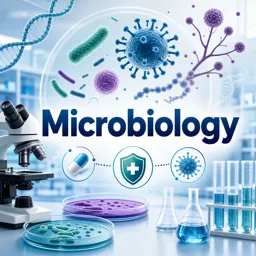
Microbiology: learning to think in organisms, outbreaks, and testing logic
Microbiology coursework goes beyond memorizing bacteria and viruses. The practical payoff is learning how diagnostic tests connect to treatment choices and infection control.
Key competencies
- Specimen-to-result reasoning: how sample type, transport, and contamination affect results
- Interpreting diagnostics: Gram stain, culture, PCR, antigen, serology
- Antimicrobial stewardship: using susceptibility data to guide therapy
- Infection control: transmission routes, isolation, outbreak basics
Skill you can practice immediately:
Take a mock case (e.g., fever + cough) and map:
- Which samples to collect
- Which tests to prioritize
- What results would change management
- What precautions are needed

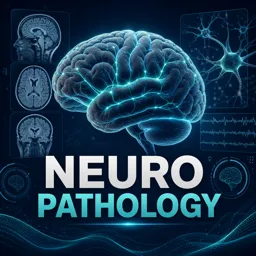
Neuropathology: turning structure and patterns into clinical insight
Neuropathology connects symptoms, imaging, and biological processes. It strengthens your ability to interpret neurological presentations and understand disease progression.
Key competencies
- Pattern recognition: inflammatory, vascular, neoplastic, degenerative
- Clinicopathologic correlation: linking symptoms to lesion location
- Histologic understanding: what tissue changes indicate
- Clear communication: summarizing findings for teams
Skill you can practice immediately:
Build a differential template for neurologic symptoms:
- Vascular
- Infectious
- Neoplastic
- Autoimmune
- Metabolic/toxic
- Degenerative
Add one hallmark clue and next step for each.
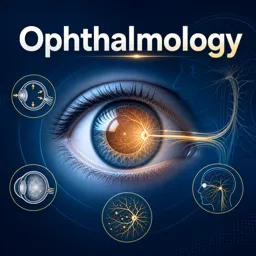
Ophthalmology: the eye as a window into systemic health
Ophthalmology offers rapid, high-value clinical insight. Eye findings often reflect systemic disease and can signal emergencies.
Key competencies
- Red flag recognition: sudden vision loss, painful eye, flashes/floaters
- Basic exam logic: acuity, pupils, eye movements
- Common conditions: conjunctivitis, cataracts, glaucoma basics
- Triage decisions: urgent vs routine
Skill you can practice immediately:
Create a visual complaint checklist:
- Onset (sudden vs gradual)
- Pain or no pain
- Light sensitivity
- Trauma
- One or both eyes
- Systemic risk factors
How to combine these subjects into a single clinical reasoning toolkit
A unified framework:
- Define the problem (pattern, onset, risk factors)
- Choose high-yield tests
- Interpret results in context
- Communicate a clear plan
This approach builds consistency across specialties.
Explore related learning paths:
https://cursa.app/free-online-courses/cardiology
https://cursa.app/free-online-courses/neurosurgery

Mini learning plan: build job-ready competence in weeks
- Week 1–2 (Microbiology): diagnostics, specimens, infection logic
- Week 3–4 (Neuropathology): disease patterns, lesion thinking
- Week 5–6 (Ophthalmology): triage, red flags, exam basics
- Ongoing: integrate with mixed clinical cases
Common pitfalls—and how to avoid them
- Memorizing without application → always link to decisions
- Ignoring lab errors → consider contamination and timing
- Missing red flags → maintain a quick-reference list
- Poor communication → practice structured summaries
Where to go next
For broader and practical study paths:
https://cursa.app/free-courses-health-online
https://cursa.app/free-online-health-courses
The goal is to build reliable, transferable clinical thinking—skills that apply across healthcare environments and roles.