The course covers MCA, ACA, ICA, PCA, vertebrobasilar, and medial and lateral medullary stroke syndromes, including their key clinical findings.

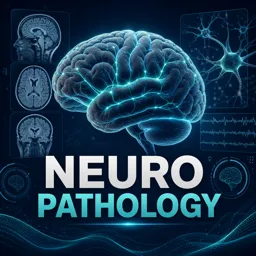
Duration of the online course: 16 hours and 55 minutes
4.7


(3)
Build confidence in neuro pathology with a free online course on strokes, seizures, demyelination and lesions—earn a certificate and sharpen clinical reasoning.
Neurologic symptoms can look deceptively similar, yet their causes may lie in very different brain regions and disease processes. This free online Neuro Pathology course helps you turn confusing presentations into clear, testable clinical reasoning by linking neuroanatomy, vascular territories, and core mechanisms of injury. You will learn to recognize how location drives deficits and how pathophysiology explains what you see at the bedside—an essential skill for students, clinicians in training, and anyone preparing for exams in the health sciences.
The course builds a strong foundation in cerebrovascular disease, showing how arterial occlusions and hemorrhages translate into classic syndromes and patterns of neurologic loss. You will connect major stroke territories to expected findings, distinguish ischemic from hemorrhagic processes, and understand how acute decisions rely on sound interpretation of symptoms, timing, and diagnostic clues. Along the way, you will strengthen your ability to reason through emergencies such as intracerebral and subarachnoid hemorrhage, where rapid recognition can be lifesaving.
You will also deepen your understanding of focal brainstem syndromes and spinal cord lesion patterns—topics that often feel high stakes because small lesions can cause dramatic and distinctive deficits. By relating cranial nerve findings and tract involvement to the midbrain, pons, medulla, and spinal cord, you will gain a practical map for localization. This localization approach helps reduce uncertainty when symptoms overlap and improves the accuracy of your differentials.
Beyond vascular and structural lesions, the course tackles key inflammatory and demyelinating disorders, including multiple sclerosis, ADEM, osmotic demyelination, and transverse myelitis. You will see how immune and metabolic processes affect myelin and why specific histories and time courses matter. Seizure types and their clinical correlates are addressed with an emphasis on mechanisms, characteristic EEG patterns, and common triggers, helping you interpret paroxysmal events more confidently.
To support long-term retention, integrated questions and exercises reinforce decision-making and clarify common pitfalls. By the end, you should be better prepared to interpret neurologic presentations, communicate your reasoning, and approach neuro pathology with a structured, high-yield mindset suitable for coursework, exams, and real-world clinical settings.

16 hours and 55 minutes of online video course

Digital certificate of course completion (Free)

Exercises to train your knowledge

100% free, from content to certificate
What stroke syndromes and vascular territories are covered in the Neuro Pathology course?
The course covers MCA, ACA, ICA, PCA, vertebrobasilar, and medial and lateral medullary stroke syndromes, including their key clinical findings.
How does the course explain the difference between ischemic stroke, intracerebral hemorrhage, and subarachnoid hemorrhage?
It reviews each condition’s causes, pathophysiology, symptoms, diagnostic approach, treatment principles, and major complications.
Which neuro-pathology disorders are included beyond stroke?
Topics include seizures, multiple sclerosis, ADEM, transverse myelitis, osmotic demyelination, spinal cord syndromes, headaches, cerebral palsy, and traumatic intracranial hematomas.
Ready to get started?Download the app and get started today.
Install the app now
to access the course
Over 5,000 free courses
Programming, English, Digital Marketing and much more! Learn whatever you want, for free.

Study plan with AI
Our app's Artificial Intelligence can create a study schedule for the course you choose.

From zero to professional success
Improve your resume with our free Certificate and then use our Artificial Intelligence to find your dream job.
You can also use the QR Code or the links below.



Free CourseOphthalmology
5
(7)

4h22m

15 exercises
Free CourseEmbryology
5
(1)
12h03m
19 exercises
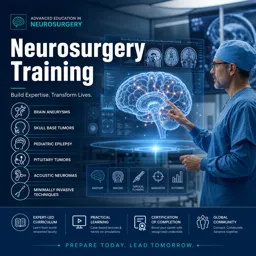
Free CourseNeurosurgery training
5
(2)
9h15m
13 exercises
Free CourseCadiology training
5
(5)
8h18m
14 exercises
Free CourseCongenital Heart Disease Echocardiography
5
(1)
21h23m
22 exercises
Free CourseUltrasound Physics for Radiology: Fundamentals, Doppler and Artifacts
5
(2)
6h08m
24 exercises
Free CourseMicrobiology
4.7
(11)
8h26m
7 exercises
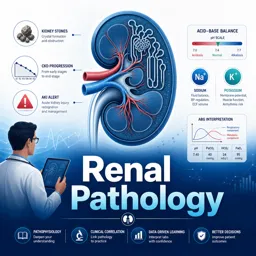
Free CourseRenal Pathology
4.7
(3)
14h06m
11 exercises
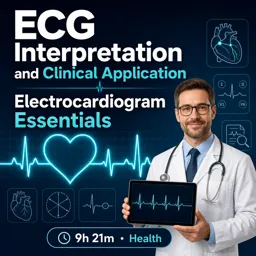
Free CourseECG Interpretation and Clinical Application: Electrocardiogram Essentials
3.8
(4)
9h21m
20 exercises
Carry knowledge in your pocket.
Download the Cursa app.
There are hundreds of free courses available, with a free certificate of completion that is saved in your mobile image gallery.
Download the app to access the Course Completion Certificate for Free.


+ 10 million
students

Free and Valid
Certificate

60 thousand free
exercises

4.8/5 rating in
app stores

Free courses in
video and ebooks
Course comments: Neuro Pathology
Alaa Aldeen Adel Abdulqawy Hizabr
thank you