
The main treatment is surgical revascularization to improve blood flow to the brain and reduce stroke risk.

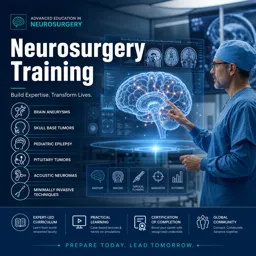
Duration of the online course: 9 hours and 15 minutes
5

(1)
Build neurosurgery-ready knowledge with a free online course covering aneurysms, tumors, epilepsy surgery and modern minimally invasive techniques.
Neurosurgery sits at the intersection of urgent decision-making, precise anatomy, and rapidly evolving technology. This free online course is designed to help you strengthen your clinical foundation in neurosurgical conditions you will encounter in hospital rotations, board review, or multidisciplinary care discussions. You will develop a clearer grasp of how specialists think through diagnosis, risk, and treatment selection across vascular, tumor, skull base, pediatric, and functional neurosurgery.
Throughout the lessons, you will explore essential concepts behind brain aneurysms and why certain types are more common, then shift into modern approaches to skull base and intracranial tumors, including brain metastases and meningiomas. The course also addresses pituitary tumors and acoustic neuromas, with a practical focus on how real-world management choices are made, when observation is reasonable, and how different treatment pathways compare in goals and tradeoffs.
To broaden your understanding beyond tumors and vascular disease, you will examine disorders that affect both neurosurgery and neurotology, such as superior semicircular canal dehiscence, including the role of imaging and the rationale for minimally invasive surgical strategies. Pediatric neurosurgery and epilepsy surgery are also emphasized, covering conditions like Chiari malformations, Moyamoya disease, hemispherectomy indications, and treatment-resistant epilepsies in infancy. Integrated knowledge-check exercises reinforce high-yield takeaways and help you translate complex explanations into practical clinical reasoning.
Whether you are a medical student, resident, nurse, allied health professional, or a motivated learner aiming to understand neurosurgical care at a deeper level, this course offers a structured way to build confidence in the language, logic, and modern options that shape today’s neurosurgery pathways. By the end, you will be better prepared to follow specialist consultations, interpret common diagnostic steps, and discuss contemporary treatment strategies with clarity.

9 hours and 15 minutes of online video course

Digital certificate of course completion (Free)

Exercises to train your knowledge

100% free, from content to certificate
What is the primary treatment for Moyamoya disease?
The main treatment is surgical revascularization to improve blood flow to the brain and reduce stroke risk.
What imaging test is best for diagnosing superior semicircular canal dehiscence (SSCD)?
High-resolution CT scanning of the temporal bone is typically used to identify the bony defect.
What are the three main treatment options for acoustic neuromas?
Options include observation with follow-up imaging, stereotactic radiosurgery, and microsurgical removal.
Ready to get started?Download the app and get started today.
Install the app now
to access the course
Over 5,000 free courses
Programming, English, Digital Marketing and much more! Learn whatever you want, for free.

Study plan with AI
Our app's Artificial Intelligence can create a study schedule for the course you choose.

From zero to professional success
Improve your resume with our free Certificate and then use our Artificial Intelligence to find your dream job.
You can also use the QR Code or the links below.



Free CourseOphthalmology
5
(7)

4h22m

15 exercises
Free CourseEmbryology
5
(1)
12h03m
19 exercises
Free CourseCadiology training
5
(5)
8h18m
14 exercises
Free CourseCongenital Heart Disease Echocardiography
5
(1)
21h23m
22 exercises
Free CourseUltrasound Physics for Radiology: Fundamentals, Doppler and Artifacts
5
(2)
6h08m
24 exercises
Free CourseMicrobiology
4.7

(11)
8h26m
7 exercises
Free CourseNeuro Pathology
4.7
(3)
16h55m
18 exercises
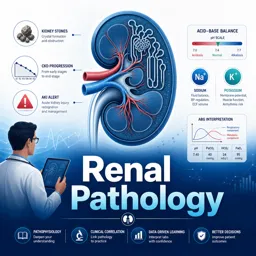
Free CourseRenal Pathology
4.7
(3)
14h06m
11 exercises
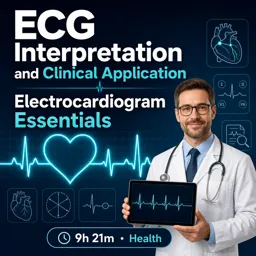
Free CourseECG Interpretation and Clinical Application: Electrocardiogram Essentials
3.8
(4)
9h21m
20 exercises
Carry knowledge in your pocket.
Download the Cursa app.
There are hundreds of free courses available, with a free certificate of completion that is saved in your mobile image gallery.
Download the app to access the Course Completion Certificate for Free.


+ 10 million
students

Free and Valid
Certificate

60 thousand free
exercises

4.8/5 rating in
app stores

Free courses in
video and ebooks
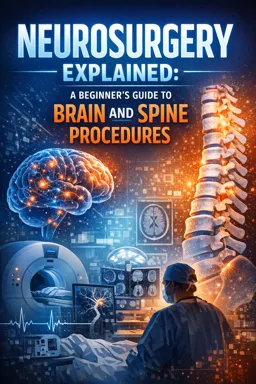
Course comments: Neurosurgery training
Alaa Aldeen Adel Abdulqawy Hizabr
thank you