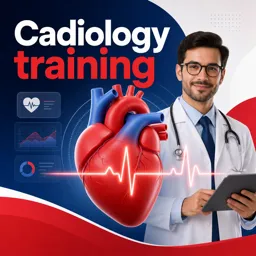


Cardiology training typically covers heart anatomy, circulation, ECG interpretation, cardiovascular disease basics, and diagnostic techniques such as echocardiography.

3

1


Understanding Cardiovascular Physiology: The Heart of Human Health
Explore how the heart and vessels work together to power life and how understanding this system is key to preventing and managing heart disease.

The Dynamics of Cardiovascular Physiology: Elements Influencing Heart and Vessel Function
Explore how neural, hormonal, and physical factors dynamically influence heart and vessel function to maintain cardiovascular health and homeostasis.

Key Mechanisms of Cardiovascular Physiology: From Electrical Impulses to Vascular Regulation
Explore how electrical impulses, neural and hormonal signals, and vascular control coordinate cardiovascular function and adapt to the body’s needs.

How Blood Circulates: A Detailed Look into Cardiovascular Physiology
Explore how the heart and blood vessels work together in cardiovascular physiology to maintain life and adapt to the body’s changing needs.

Recognizing and Managing Common Cardiac Emergencies
Learn to recognize cardiac emergencies, act quickly with CPR and AED, and adopt heart-healthy habits to prevent future crises.

Preventive Cardiology: Keeping Your Heart Healthy for Life
Preventive cardiology focuses on lifestyle and early intervention to reduce heart disease risk and promote lifelong heart health.

An Introduction to Cardiology: Understanding the Heart’s Central Role in Health
Cardiology studies the heart’s health, diseases, and treatments, emphasizing prevention and lifestyle for lifelong cardiovascular wellbeing.

Advances in Non-Invasive Cardiac Diagnostics: Transforming Heart Health Assessments
Novas técnicas não invasivas revolucionam o diagnóstico cardíaco, melhorando segurança, precisão e acesso ao cuidado personalizado do coração.
Develop your knowledge of cardiovascular health with free online cardiology courses designed for students, healthcare professionals, caregivers, and anyone interested in medical education. These learning programs introduce essential concepts related to the heart, blood vessels, circulation, cardiac diseases, diagnostic methods, prevention, and clinical care. Study online at your own pace while building useful academic and professional knowledge.
The course catalog provides educational content covering cardiovascular anatomy and physiology, heart function, blood pressure, electrocardiography, arrhythmias, coronary artery disease, heart failure, and risk-factor management. Depending on the selected course, learners can review introductory principles or expand their understanding of clinical cardiology through structured lessons and accessible study materials.
All cardiology courses listed on this page are free and include exercises to support review, knowledge retention, and educational progress. After meeting the completion requirements, learners can also receive free certification. This certificate can complement a resume, document continuing education, support academic development, or demonstrate personal commitment to learning about cardiovascular medicine.
To access these free online cardiology courses, complete the lessons, answer the exercises, and obtain free certification, it is necessary to install the Cursa application. Android users can install it through Google Play at Download for Android. Apple users can install it through the App Store at Download for iOS / iPhone.
Choose a course that matches your learning goals and begin studying cardiovascular science from anywhere. Whether you want an introduction to cardiology, additional healthcare training, or a convenient continuing education resource, these free courses provide flexible lessons, educational exercises, and free certificates. Install the application, explore the available classes, and strengthen your understanding of heart health through accessible online learning.
What is included in cardiology training?
Cardiology training typically covers heart anatomy, circulation, ECG interpretation, cardiovascular disease basics, and diagnostic techniques such as echocardiography.
Is an ECG interpretation course suitable for beginners?
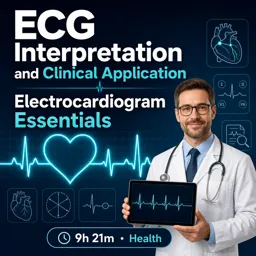
Yes. ECG interpretation courses can teach beginners how to recognize heart rhythms, intervals, waveforms, and common clinical ECG patterns.
What will I learn in an electrocardiogram essentials course?
You will learn how ECGs record cardiac electrical activity, how to read a standard 12-lead ECG, and how to identify common abnormalities.
What is congenital heart disease echocardiography?
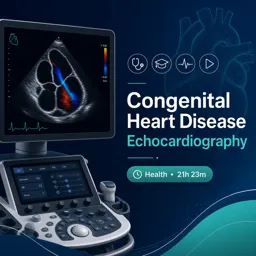
It is the use of ultrasound imaging to assess structural heart conditions present from birth, including septal defects, valve abnormalities, and abnormal blood flow.
Why is cardiovascular anatomy important for cardiology?
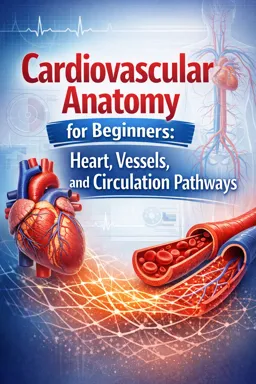
Understanding the heart, blood vessels, and circulation pathways provides the foundation for interpreting cardiac symptoms, tests, and diseases.
What are the main circulation pathways in the cardiovascular system?
The main pathways are pulmonary circulation, which carries blood between the heart and lungs, and systemic circulation, which supplies the rest of the body.
Who should take a cardiology online course?
Cardiology courses are useful for medical and nursing students, healthcare professionals, and learners seeking foundational knowledge of heart health and cardiovascular diagnostics.

Complete any course and issue your certificate via the app — at no cost.

Download the app! to have access to more than 4,000 Online Courses + Certificate, all free!
Download the app! 100% free courses.


Carry knowledge in your pocket.
Download the Cursa app.
There are hundreds of free courses available, with a free certificate of completion that is saved in your mobile image gallery.
Download the app to access the Course Completion Certificate for Free.


+ 10 million
students

Free and Valid
Certificate

60 thousand free
exercises

4.8/5 rating in
app stores

Free courses in
video and ebooks

What are people saying about free online courses of Cardiology
Susanna Korzonthowski
I love how you guys go into a brief detail of everything, it makes it a lot easier to be able to take down notes
CourseCadiology training