Introduction
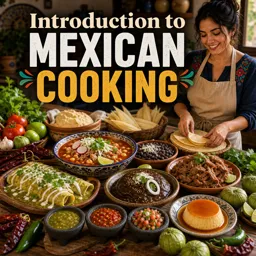
Mexican cuisine is a dazzling mosaic of flavors, aromas, and textures that reflects the country’s rich cultural history and regional diversity. For professional chefs or culinary enthusiasts, mastering Mexican food opens doors to new techniques and unforgettable taste experiences. In this article, we explore a selection of iconic Mexican dishes, spanning from humble street food to celebrated fine dining specialties, and offer insights on their preparation and cultural significance.
The Essence of Mexican Cuisine
Mexican cuisine uniquely combines indigenous ingredients such as corn, beans, and chili peppers with influences from Spanish, African, and Asian cuisines. Its culinary philosophy is rooted in the communal art of sharing meals, respect for tradition, and bold uses of color and spice. Whether enjoyed as quick bites or elaborate banquets, each dish tells a story.
Street Food Classics: The Heartbeat of Mexican Flavor
- Tacos al Pastor: Marinated pork roasted on a spit, served on corn tortillas with pineapple, onions, and cilantro.
- Elote: Grilled corn on the cob slathered with mayonnaise, cotija cheese, chili powder, and lime.
- Quesadillas and Sopes: Corn masa snacks with endless filling possibilities, from cheese and squash blossoms to chorizo and beans.
Street foods are fast, affordable, and deeply regional. Mastery of basics like fresh salsa and perfecting masa dough can transform a simple dish into a work of art.
Traditional Stews and Home-Cooked Comfort
- Mole Poblano: A luxurious sauce made with chiles, chocolate, nuts, and spices, often served over chicken, requiring patience and precision.
- Pozole: Hearty soup of hominy and pork or chicken, accompanied by crisp toppings like cabbage, radish, and lime.
- Tamales: Corn dough stuffed with meats or vegetables, wrapped in husks and steamed.
These dishes showcase the depth of Mexican flavors and techniques, rewarding cooks who pay attention to seasoning, layering, and tradition.
Modern Takes and Fine Dining Evolution
Today, Mexican chefs are reinventing classic recipes, using local and global ingredients to reinterpret traditional dishes. Fine dining establishments elevate Mexican cuisine with meticulous plating, innovative ingredients, and refined cooking methods, while still honoring the foundation of traditional cooking.
Tips for Culinary Professionals
- Source authentic Mexican ingredients for genuine flavor.
- Understand key traditional techniques like tortilla making and sauce blending.
- Embrace creativity while respecting the roots of each dish.
- Pay attention to presentation—colorful garnishes and beautiful plating can elevate even the most rustic fare.
Conclusion
Mexican cuisine offers a vibrant palette for professional chefs, from the simple joys of street food to the artistry of fine dining creations. Exploring this culinary tradition means embracing a rich history, balancing flavors, and seizing the opportunity for creativity in the kitchen. Whether you’re aspiring to master Mexican street snacks or elevate haute Mexican gastronomy, the journey is as rewarding as each delicious bite.