A Journey Through Art: How to Find Your Unique Painting Style

Discover practical tips to find your unique painting style. Explore inspiration, techniques, and embrace your evolving artistic journey.

Share on Linkedin Share on WhatsApp

Estimated reading time: 2 minutes

Article image A Journey Through Art: How to Find Your Unique Painting Style

Painting is more than technique—it’s a powerful form of self-expression. For both beginners and intermediate artists, discovering your unique painting style is an exciting step that sets your work apart.

Understanding Style in Painting
Your style includes your subject choices, color palette, brushwork, and emotional expression. Some artists lean toward realism, others to abstraction or minimalism. Your journey is personal and distinctive.

Exploring Inspiration

  • Study Masters: Observe artists you admire. What draws you in—the light, emotion, abstraction, or perspectives?
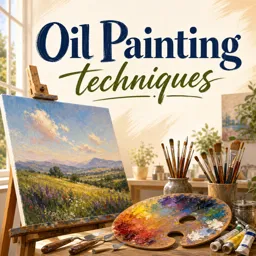
  • Experiment with Mediums: Try watercolor, oil, acrylic, and different surfaces to find what resonates with you.
  • Practice Regularly: The more you paint, the more your natural tendencies will surface, helping your style evolve.

Techniques to Help Define Your Style

  • Series Painting: Focus on a theme like landscapes or portraits, and create multiple pieces. Notice what stays consistent.
  • Visual Journaling: Keep a sketchbook for color studies, quick compositions, and ideas. Patterns will emerge over time.
  • Reflect: After finishing a piece, consider what felt most authentic and what you’d change next time.

Embracing Evolution
Your style isn’t static. It naturally shifts as you grow or find new inspirations. Embrace these changes as part of your artistic path.

Conclusion
Finding your unique painting style is an ongoing, rewarding adventure. Stay curious, enjoy the process, and let your authentic self shine with every brushstroke. Over time, your true artistic signature will emerge.

Video Editing Workflow Essentials: From Ingest to Export (Plus a Simple Checklist)

Learn a practical video editing workflow from ingest to export, with organization tips, audio cleanup, color correction, and a simple QC checklist.

Storyboard to Screen: A Practical Workflow for Polished Video Animations

Learn a practical storyboard-to-screen workflow for video animations, from concept and animatics to lighting, rendering, and final polish.

Procedural Animation in Blender: Create Looping Motion with Modifiers, Drivers, and Noise

Learn how to create looping procedural animations in Blender using modifiers, drivers, and noise for faster, reusable motion graphics workflows.

From Keyframes to Kinetics: Timing, Spacing, and Motion Curves for Better Video Animations

Learn how timing, spacing, and motion curves improve video animations, with practical tips for smoother, more professional motion.

Animating Smarter: A Practical Guide to Motion Graphics Workflows for Video Animations

A practical guide to motion graphics workflows for video animations—planning, styleframes, animatics, asset management, and export best practices.

Animating for Impact: 12 Motion Design Principles to Make Any Video Animation Feel Professional

Learn 12 essential motion design principles to improve video animations, from timing and easing to hierarchy and motivated transitions.

UX Writing for Designers: Craft Microcopy That Guides, Reassures, and Converts

Learn UX writing principles and microcopy techniques that improve clarity, reduce errors, and guide users through digital interfaces.

UX Portfolio Case Studies: A Clear Structure That Recruiters Can Scan in Minutes

Learn a clear UX case study structure that recruiters can scan quickly, showing your decisions, process, and outcomes effectively.