What is Forex Trading?
Forex trading, or foreign exchange trading, is the act of buying and selling currencies on the global market. It’s the world’s largest financial market, operating 24 hours a day, five days a week, and boasting a daily trading volume of over $6 trillion. This market connects banks, corporations, governments, and individual traders who exchange currencies based on fluctuating values.
How the Forex Market Works
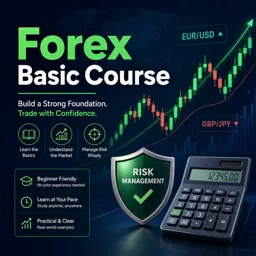
Unlike traditional stock exchanges, the forex market is decentralized and operates over-the-counter (OTC) through a network of computers. Currencies are traded in pairs, such as EUR/USD or GBP/JPY. Traders speculate on whether the value of one currency will rise or fall in relation to another, profiting from the difference in exchange rates.
Major Currency Pairs
The most actively traded pairs are known as major pairs and usually involve the US Dollar (USD). These include combinations with the Euro (EUR), British Pound (GBP), Japanese Yen (JPY), and Swiss Franc (CHF). Understanding these pairs and how they react to economic and political events is crucial for informed trading decisions.
Why Trade Forex?
- 24-Hour Accessibility: The market is open around the clock, making it flexible for traders worldwide.
- High Liquidity: The vast trading volume ensures easy entry and exit from trades.
- Leverage Opportunities: Traders can control large positions with smaller capital, though this increases both potential gains and risks.
- Strategy Variety: From scalping to swing trading, forex offers diverse methods to suit different styles.
Risks to Consider
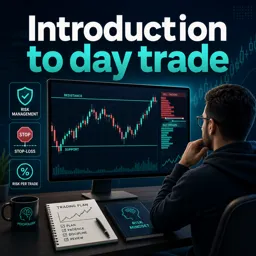
Despite its potential, forex trading involves significant risk. Sudden market shifts and the use of leverage can lead to rapid losses. New traders should prioritize education, use risk management tools like stop-loss orders, and develop solid trading plans to minimize exposure.
Getting Started with Forex Trading
- Select a regulated, trustworthy broker.
- Open and fund your trading account.
- Learn to navigate platforms like MetaTrader or cTrader.
- Study currency pairs and their influencers.
- Practice on a demo account before trading with real money.
Success in forex trading requires discipline, patience, and a commitment to continuous learning. With the right foundation, anyone can access the opportunities this global market offers.