Human Resources (HR) is a pivotal department in any organization, managing the people who drive business success. Whether your company is a startup or an established enterprise, mastering HR fundamentals is key to building a motivated, productive, and legally compliant workforce.
What Is Human Resources?
Human Resources refers to the division that handles all aspects of employee management. From recruitment and compliance to benefits and workplace culture, HR ensures people and business goals align effectively.
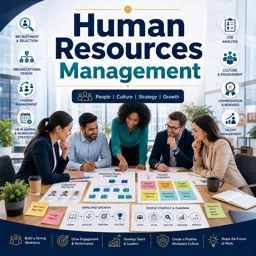
Key Areas Of HR Fundamentals
- Recruitment and Selection – Attracting, hiring, and onboarding qualified candidates.
- Onboarding and Training – Introducing new hires to company policies, culture, and essential skills.
- Performance Management – Setting expectations, evaluating performance, and driving improvement.
- Compensation and Benefits – Designing competitive pay and benefits packages to retain top talent.
- Compliance – Navigating employment laws, labor rights, and workplace safety regulations.
- Employee Relations – Managing conflicts, fostering open communication, and promoting a positive culture.
Why HR Matters For Business Success
Effective HR practices influence productivity, employee satisfaction, compliance, and reputation. Organizations with strong HR foundations are more adaptable, innovative, and competitive in the marketplace.
Essential Skills For HR Professionals
- Communication – Clearly conveying information and actively listening to employees and management.
- Problem-Solving – Addressing complex workplace issues with fairness and sound judgment.
- Organizational Skills – Managing records, deadlines, and multiple HR processes efficiently.
- Ethical Awareness – Ensuring confidentiality and fair treatment for all employees.
Conclusion
Mastering HR basics is crucial for building a thriving workforce. By focusing on recruitment, training, compliance, and employee engagement, businesses foster growth and long-term success.