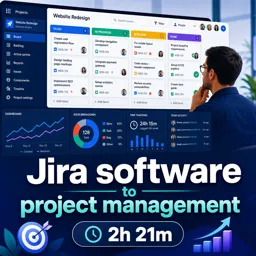
Jira Software has become a go-to tool for project management in business administration. Known for its versatility, Jira streamlines workflows and boosts team productivity, making it ideal for organizations of all sizes. This article explores Jira’s core features and shares best practices to leverage its full potential in business projects.
What Makes Jira Software Stand Out?
Jira supports Agile, Kanban, and traditional Waterfall methodologies, allowing teams to tailor workflows to their unique business processes. Key features include:
- Customizable Workflows: Adapt workflows to meet different project requirements and organizational needs.
- Issue Tracking: Monitor tasks, bugs, and feature requests in a centralized system.
- Reporting and Dashboards: Access real-time insights with visual reports to track project progress and team performance.
- Integration Capabilities: Seamlessly connect with Confluence, Slack, and other third-party business tools.
Best Practices for Effective Project Management in Jira
- Define Clear Project Goals: Communicate objectives to ensure the entire team is aligned from the start.
- Customize Workflows: Create workflows that mirror your organization’s processes, representing each stage of the project.
- Implement Roles and Permissions: Assign specific roles to control access and ensure accountability.
- Utilize Automation: Automate repetitive tasks and notifications to save time and minimize errors.
- Monitor Progress with Dashboards: Visualize project metrics, identify bottlenecks, and keep stakeholders informed.
Benefits for Business Administration
Integrating Jira into business administration provides:
- Enhanced collaboration across teams
- Improved transparency and accountability
- Data-driven decision-making
- Agility to adapt to changing business requirements
Conclusion
Jira Software is a powerful ally for business administrators aiming to optimize project management. By understanding its features and adopting best practices, organizations can streamline processes, strengthen teamwork, and achieve exceptional project results.