Introduction
In today’s fast-paced business landscape, technology plays an essential role in helping small businesses grow, streamline operations, and enhance customer experiences. Understanding how to leverage digital tools and software can propel your business towards greater efficiency and competitiveness.
The Importance of Adopting Technology
Small businesses often face resource constraints, making it crucial to maximize efficiency. Embracing technology enables business owners to automate repetitive tasks, manage resources more effectively, and make data-driven decisions. From cloud-based solutions to integrated CRM systems, modern tools offer a competitive advantage.
Key Areas Where Technology Can Help
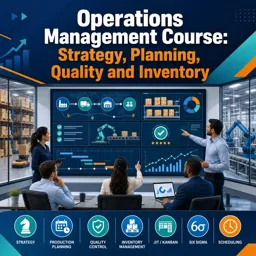
- Operations Management: Use project management apps and inventory software to keep track of tasks, deadlines, and stock levels.
- Customer Relationship Management (CRM): CRM software centralizes customer information, making it easier to personalize communication and improve service.
- Marketing Automation: Digital marketing platforms help automate email campaigns, schedule social media posts, and analyze campaign performance.
- Financial Management: Online accounting tools simplify invoicing, expense tracking, and payroll, reducing errors and saving time.
- Collaboration Tools: Cloud-based collaboration tools enable remote teams to work seamlessly and share information in real time.
Choosing the Right Technology
Identifying your business’s unique needs is the first step toward selecting the right technology. Consider the size of your team, the complexity of your operations, and the level of integration required. Start with scalable solutions that can grow with your business. Test out free trials and seek feedback from staff before fully implementing any new system.
Overcoming Challenges
Adopting new technology may come with learning curves and initial resistance from employees. Providing adequate training and highlighting the benefits can ease the transition. Evaluate the total cost of ownership over the long term and ensure there is reliable support from software vendors.
Conclusion
Leveraging technology is no longer optional for small businesses seeking sustainable success. By thoughtfully integrating digital tools into your operations, you position your business for greater growth, efficiency, and customer satisfaction.