Introduction
Renewable energy is reshaping the electrical industry. As the demand for clean, sustainable energy grows, electricians play a key role in integrating renewable systems into new and existing infrastructures. This article explores the essential skills and knowledge needed to work effectively with renewable energy technologies.
Understanding Renewable Energy Sources
Electricians must be familiar with a variety of renewable energy sources, including:
- Solar Photovoltaic (PV) Systems
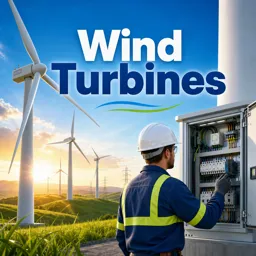
- Wind Turbines
- Hydroelectric Power
- Biomass Energy
- Geothermal Energy
Each source comes with unique installation and maintenance requirements that differ significantly from traditional electrical systems.
Specialized Skills for Electricians
To work successfully with renewable energy systems, electricians should develop expertise in:
- System Design and Layout: Plan installations, calculate loads, and perform site assessments.
- Interconnection Standards: Understand grid integration, utility interconnection, and local codes.
- System Troubleshooting: Diagnose issues with inverters, controllers, and energy storage solutions.
- Energy Storage Systems: Install and maintain batteries and other storage devices for consistent power.
- Safety Protocols: Follow safety guidelines for high-capacity systems and renewable infrastructure.
Opportunities for Career Growth
Electricians skilled in renewable energy enjoy expanded career opportunities. They can work with clean energy companies, become consultants, or participate in retrofits and upgrades for residential, commercial, and industrial clients seeking sustainability.
Training and Certification
Professional courses now offer modules on renewable energy integration. Certifications in solar or wind system installation can enhance employability and professional credibility.
Conclusion
The transition to renewable energy presents both challenges and opportunities for electricians. Staying current with technologies, standards, and best practices allows professionals to contribute meaningfully to a sustainable energy future.