INTRODUCTION
Machine learning (ML) is a driving force behind modern innovation, enabling computers to learn and improve from experience without explicit programming. From business intelligence to healthcare, ML helps organizations turn raw data into valuable insights that fuel smarter decisions and efficiency.
THE DATA-TO-INSIGHT PIPELINE
At the core of machine learning is a process that transforms raw information into actionable outcomes. The key steps include:
- Data collection: Gathering data from sources such as databases, IoT devices, or user activity logs.
- Data preprocessing: Cleaning, filtering, and preparing data for analysis.
- Feature engineering: Selecting and creating attributes that enhance model performance.
- Model training: Using algorithms to detect patterns and generate predictive or descriptive models.
- Evaluation: Testing accuracy, precision, recall, or error rates to measure performance.
- Deployment: Applying trained models in applications to deliver real-time insights or automation.
TURNING INSIGHTS INTO BUSINESS VALUE
Machine learning converts hidden patterns into practical applications that improve efficiency and decision-making:
- Customer segmentation: Tailoring marketing strategies for different customer groups.
- Predictive maintenance: Anticipating equipment failures to reduce downtime in manufacturing.
- Fraud detection: Identifying suspicious financial activity in real time.
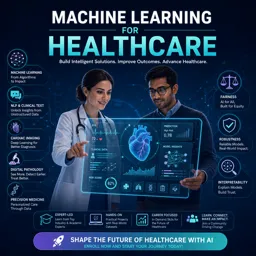
- Health diagnostics: Supporting early detection and personalized treatments in healthcare.
CHALLENGES AND BEST PRACTICES
While ML offers immense potential, organizations must navigate certain challenges. Common hurdles include poor data quality, lack of model transparency, and privacy concerns. To ensure success:
- Invest in data quality through continuous cleaning.
- Use interpretable models in sensitive contexts.
- Enforce strong security and data anonymization for compliance.
- Monitor deployed models to detect drift and update regularly.
CONCLUSION
Machine learning is transforming how organizations harness data, enabling predictive insights, automation, and personalized solutions. By following best practices and addressing common challenges, businesses can unlock the full potential of machine learning for innovation and growth.