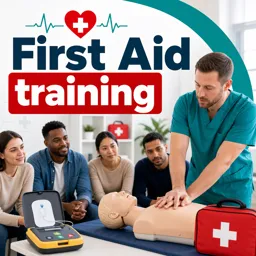
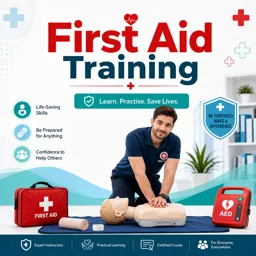
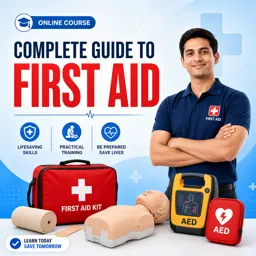
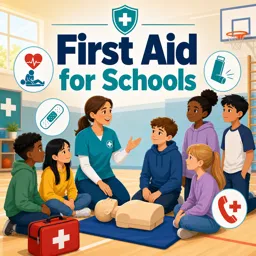
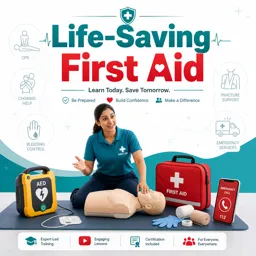
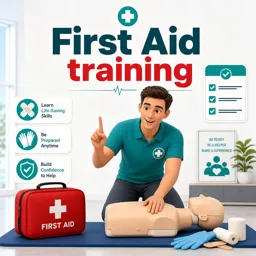
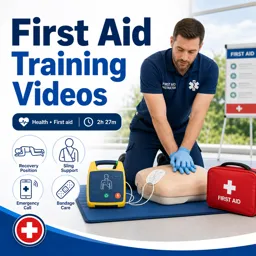
In an emergency, the biggest risk isn’t always the injury—it’s the confident “advice” that turns a manageable situation into a dangerous one. First aid myths spread through movies, old family tips, and viral posts can lead to delays in care, unnecessary complications, or even life-threatening mistakes. This guide clears up common misconceptions and replaces them with safer, practical actions you can learn and practice.
Myth #1: “Tilt the head back during a nosebleed.”
This idea is everywhere—and it’s risky. Tilting the head back can cause blood to run down the throat, leading to coughing, nausea, vomiting, or breathing problems.
Do instead:
Sit upright, lean slightly forward, and pinch the soft part of the nose for about 10 minutes without checking constantly. If bleeding is heavy, follows an injury, or won’t stop, seek medical help.
Myth #2: “Put butter, toothpaste, or oil on a burn.”
Greasy substances can trap heat in the skin and increase damage. Some home remedies also raise infection risk.
Do instead:
Cool the burn with cool running water (not ice) for several minutes, remove tight items (rings/watches) before swelling starts, and cover loosely with a clean, non-stick dressing. Get urgent help for serious burns.
Myth #3: “Hold someone down or put something in their mouth during a seizure.”
Restraining can cause injury. Objects in the mouth can break teeth or block the airway—people do not “swallow their tongue.”
Do instead:
Move hazards away, cushion the head, loosen tight clothing, and time the seizure. Afterward, place them on their side and monitor breathing.
Myth #4: “Make someone vomit after swallowing something harmful.”
This can cause further injury or lead to choking.
Do instead:
Call poison control or emergency services and follow instructions immediately.

Myth #5: “Suck out venom or use a tourniquet for snakebites.”
These methods are ineffective and dangerous.
Do instead:
Keep the person still, immobilize the limb, remove tight items, and seek urgent medical care.
Myth #6: “Always do a finger sweep for choking.”
Blind sweeps can push the object deeper.
Do instead:
Encourage coughing. If severe, perform back blows and thrusts. Only remove objects you can clearly see.
Myth #7: “Use alcohol or hydrogen peroxide on wounds.”
These can damage tissue and delay healing.
Do instead:
Rinse with clean water, apply a dressing, and monitor for infection.
Myth #8: “Fainting isn’t serious.”
Fainting can signal underlying issues.
Do instead:
Lay the person down, elevate legs if appropriate, and monitor breathing. Seek help if symptoms persist.
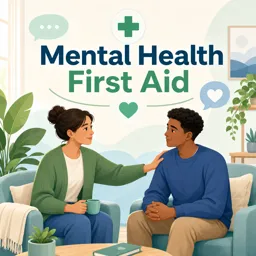
Myth #9: “Mental health crises aren’t first aid.”
Psychological emergencies are real and urgent.
Do instead:
Stay calm, listen, provide a quiet space, and connect the person to professional help if needed.
How to replace myths with reliable skills
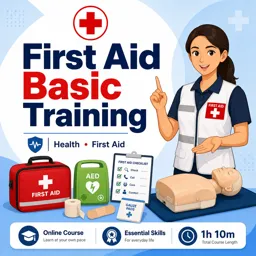
Myths thrive when there’s no clear plan. Build real confidence through structured learning and practice.
Recommended learning path
- Start with fundamentals: bleeding, burns, choking, shock
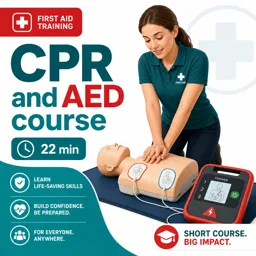
- Add CPR readiness: decision-making and action steps
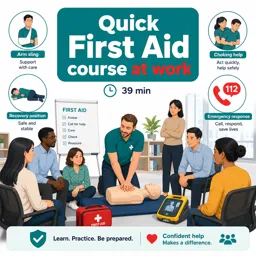
- Expand contexts: home, work, outdoor environments
- Include mental health first aid
Explore:
https://cursa.app/free-courses-health-online
https://cursa.app/free-online-health-courses
https://cursa.app/free-online-courses/wilderness-first-aid
https://cursa.app/free-online-courses/workplace-first-aid
https://cursa.app/free-online-courses/school-first-aid

A simple “myth filter”
Before following advice, ask:
- Does it protect airway, breathing, and circulation?
- Does it avoid causing harm?
- Is it aligned with modern first aid?
- Would you feel confident explaining it to a professional?
If not, default to safe basics: call for help, monitor breathing, control bleeding, cool burns, and keep the person comfortable.
Conclusion
First aid myths can be dangerous, but clear knowledge and simple, correct actions save lives. Focus on proven practices, stay calm, and prioritize safety—you’ll be far more prepared when it matters.