Knowing first aid isn’t only about memorizing steps like CPR—it’s also about making good decisions under pressure. In real emergencies, the biggest difference often comes from how quickly you recognize danger, how calmly you assess what’s happening, and how safely you choose what to do next. This article focuses on the decision-making skills that support every first aid technique, whether you’re at home, in public, or in remote settings.
1) Start with personal safety: stop and scan
Before you help, make sure you won’t become the next patient. Pause for a few seconds and scan for hazards: traffic, electrical risks, unstable structures, aggressive behavior, fire, smoke, chemicals, water hazards, or sharp debris.
If it’s unsafe:
- Keep your distance
- Call emergency services
- Control the scene if possible
2) Use a simple assessment flow: DRSABCD
A structured routine reduces panic and improves speed.
DRSABCD:
- Danger
- Response
- Send for help
- Airway
- Breathing
- CPR
- Defibrillation
Practice this mentally to build automatic response under pressure.
3) Get help early: delegate clearly
Avoid vague requests. Be specific:
- “You in the blue jacket—call emergency services.”
- “Bring the AED.”
If alone:
- Use speakerphone
- Continue assessment while calling

4) Identify what can kill first
Prioritize life-threatening issues:
- Blocked airway
- Absent or abnormal breathing
- Severe bleeding
- Signs of shock
Focus on these before less critical injuries.
5) Communicate clearly and calmly
If the person is conscious:
- Introduce yourself
- Ask permission
- Use short questions
SAMPLE approach:
- Symptoms
- Allergies
- Medications
- Past history
- Last meal
- Events
6) Know your limits
Do simple actions well:
- Control bleeding
- Keep airway open
- Monitor breathing
- Keep the person warm
Avoid unnecessary risks, especially moving someone with possible spinal injury.
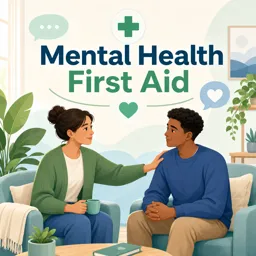
7) Support mental health in emergencies
For panic or distress:
- Stay calm
- Reduce noise and crowd
- Offer reassurance
Helpful phrases:
- “I’m here with you.”
- “Let’s go step by step.”
8) Aftercare: monitor and hand over
Continue observing:
- Breathing
- Responsiveness
- Skin color
- Pain
When help arrives, give a short report:
- What happened
- What you observed
- What you did
- Timeline
Build these skills with free learning paths
https://cursa.app/free-courses-health-online
https://cursa.app/free-online-health-courses
Specialized learning:
- https://cursa.app/free-online-courses/wilderness-first-aid
- https://cursa.app/free-online-courses/workplace-first-aid
- https://cursa.app/free-online-courses/school-first-aid

Practical takeaway
Practice one scenario per week:
- Collapse
- Bleeding
- Breathing difficulty
- Panic attack
Mentally rehearse:
- Safety
- Assessment (DRSABCD)
- Call for help
- First actions
Conclusion
Effective first aid depends on calm thinking, fast assessment, and safe action. When you train your decision-making—not just techniques—you become prepared to act confidently in real emergencies.