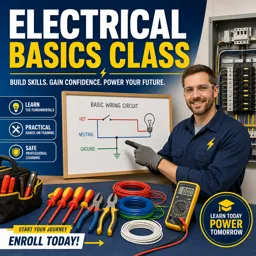
For anyone starting out on the path to becoming an electrician, understanding the various components that make up electronic circuits is essential. Beyond the foundational theories and laws, the practical knowledge of what lies inside typical electronic devices forms a crucial part of your training. In this article, we’ll explore some of the most common electronic components, their purposes, and how to identify them.
1. Resistors
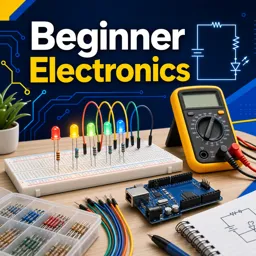
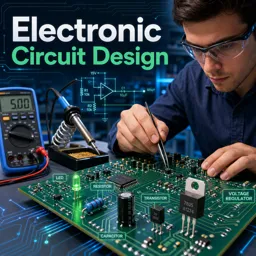
Resistors are among the most frequently encountered components on a circuit board. Their primary job is to limit the flow of electrical current, ensuring that other components receive the right amount of power. You’ll often see them marked with colored bands that indicate their resistance value.
2. Capacitors
Capacitors store and release electrical energy. In circuits, they smooth out power supply fluctuations to provide a steady current. Cartoons of old televisions with flickering screens? That’s often a failed capacitor!
3. Diodes
Think of diodes as one-way value gates for electrical current. They ensure current flows in only one direction, protecting sensitive components from damage due to reverse polarity.
4. Transistors
Transistors can act as switches or amplifiers. They’re foundational to modern electronics, being the building blocks of logic circuits and microprocessors. Understanding how transistors function is key to troubleshooting modern devices.
5. Inductors
Inductors are coils of wire that store energy in a magnetic field when electrical current passes through them. They’re essential in filtering and tuning circuits, such as those found in radios and transformers.
6. Circuit Boards
Printed Circuit Boards (PCBs) physically support and electrically connect electronic components using tracks, pads, and other features etched from copper sheets laminated onto non-conductive substrates. Recognizing different parts of a PCB is a valuable skill for electricians and technicians alike.
Why Knowing Components Matters
Mastering the basics of common electronic components will make it easier to read circuit diagrams, perform repairs, and safely troubleshoot issues. As technology advances, having a hands-on understanding of these building blocks is more important than ever for aspiring professionals in the electrical trades.