Introduction to Electrical Engineering
Electrical engineering is a vital field that underpins many aspects of modern life, from power generation to telecommunications and electronic devices. For those looking to enter professional trades, understanding electrical engineering is a key foundation for careers as an electrician or in other electrical-focused roles.
What is Electrical Engineering?
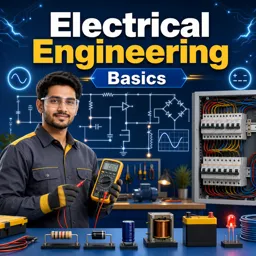
Electrical engineering focuses on the study, design, and application of equipment, devices, and systems which use electricity, electronics, and electromagnetism. It’s a broad field that covers everything from large-scale power grids to microelectronics.
Core Concepts
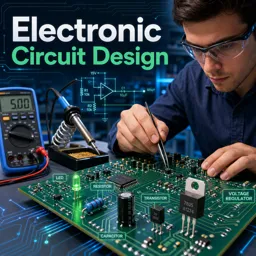
- Circuit Theory: Learn the basics of electrical circuits, including voltage, current, and resistance.
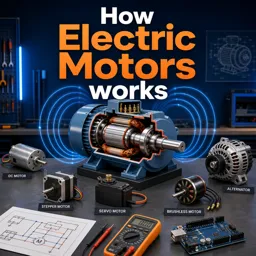
- Electromagnetism: Explore the relationship between electrical currents and magnetic fields, pivotal for motors and generators.
- Signal Processing: Understand how information is transmitted and processed in electrical systems.
- Power Systems: Study how electricity is generated, transmitted, and distributed across networks.
- Control Systems: Delve into how electrical systems are managed and automated for safety and efficiency.
Why Study Electrical Engineering?
Electrical engineering knowledge equips professionals with the ability to:
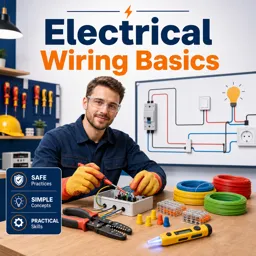
- Work safely with electrical systems
- Troubleshoot and repair electromechanical faults
- Design electrical layouts for homes and businesses
- Stay up-to-date with evolving electrical codes and standards
These skills are crucial not just for electricians, but for various roles in industrial maintenance, manufacturing, and energy sectors.
Career Opportunities
With a background in electrical engineering, you can pursue careers such as:
- Certified Electrician
- Electrical Technician
- Maintenance Engineer
- Power Systems Operator
- Project Manager for Construction Projects
Getting Started
If you’re interested in this career path, consider enrolling in a professional course in electrical engineering or a specialized electrician training program. Practical experience, combined with foundational knowledge, will prepare you to excel in the industry and ensure safety and efficiency in your work.