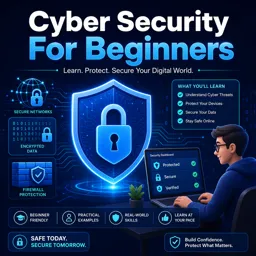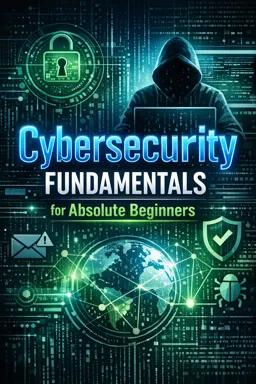

A free ebook explaining cybersecurity basics, phishing, malware, passwords, safe browsing, risk, and practical incident response habits.
Free ebook content
-

What Cybersecurity Protects and Why It Matters
+ Exercise: Why are email and your mobile phone account often prioritized as the first accounts to secure?
-
Digital Assets and Everyday Data You Interact With
+ Exercise: Why is a primary email account considered a high-priority digital asset to protect first?
-
The CIA Triad: Confidentiality, Integrity, and Availability
+ Exercise: A team shares a folder with employee records and wants to reduce the chance of accidental disclosure while keeping access manageable. Which action best supports confidentiality using least privilege?
-
How Attacks Typically Unfold: From Opportunity to Impact
+ Exercise: Which action best helps stop an attacker from staying in after initial access to an email account?
-
Threats, Vulnerabilities, and Risk: Clear Differences
+ Exercise: Which statement correctly describes risk in cybersecurity?
-
Common Attacker Motivations and What They Target
+ Exercise: An organization finds that an attacker first tried to delete backups and then created a new admin account in its cloud console. Which motivation best fits these early actions?


-
Social Engineering: How People Get Tricked
+ Exercise: You receive an unexpected message claiming to be IT that pressures you to act quickly and asks for a one-time verification code. What is the safest response?
-
Malware and Unsafe Software: What It Is and How It Spreads
+ Exercise: Which action best reduces the risk of installing extra unwanted or harmful components during software installation?
-
Passwords, Authentication, and Account Takeover Basics
+ Exercise: Why is enabling MFA helpful even if you already use a strong, unique password?
-
Safe Browsing, Links, Downloads, and Phishing Signals
+ Exercise: A message asks you to sign in using a link to fix an urgent account issue. What is the safest next step?
-
Device and Network Basics: Updates, Wi‑Fi, and Simple Hygiene
+ Exercise: Which action best reduces the risk of someone taking control of your home router settings?
-
Defensive Thinking: Reducing Exposure and Limiting Damage
+ Exercise: Which action best demonstrates default-deny thinking when sharing a document online?
-
Detecting Problems Early: Practical Warning Signs and Checks
+ Exercise: You receive a security alert email about a new sign-in you do not recognize. What is the safest next step to verify whether it is real?
-
Responding to Incidents: Immediate Steps and Recovery Habits
+ Exercise: When multiple accounts may be compromised, what is the recommended order for resetting credentials to recover safely?
About the free ebook
Cybersecurity Fundamentals for Absolute Beginners
Build a practical understanding of how cybersecurity protects the information, devices, accounts, and services people use every day. This free ebook explains core security ideas in clear language, helping you recognize common digital risks and make safer decisions online.
Understand the foundations of digital security
Learn how confidentiality, integrity, and availability shape security decisions, and distinguish threats, vulnerabilities, and risk. Explore how attacks can progress from an opportunity to real-world impact, as well as why attackers target personal data, credentials, money, and access.
Recognize everyday threats
Discover how social engineering manipulates trust, how malware and unsafe software spread, and how weak passwords can lead to account takeover. The ebook highlights phishing signals, risky links and downloads, and practical concerns involving browsers, Wi-Fi networks, and device updates.
Develop safer habits and response skills
Use defensive thinking to reduce exposure, limit potential damage, and spot warning signs early. You will also learn immediate, practical steps to take after a suspected security incident, including protecting accounts, checking devices, and improving recovery habits.
What you will gain
- A plain-language view of common cyber risks
- Practical habits for accounts, devices, and browsing
- Early detection and incident-response awareness
This ebook is designed for anyone who wants a stronger foundation for navigating the connected world with greater confidence.
What is the CIA triad in cybersecurity?
It is the security model of confidentiality, integrity, and availability for protecting information and systems.
How can I identify a phishing link or message?
Check the sender, URL, urgency, unexpected attachments, and requests for passwords, codes, or payment.
What should I do if I think an account was compromised?
Change the password, enable multi-factor authentication, review account activity, and contact the service provider.
This ebook includes:

14 content chapters

Digital certificate of course completion (Free)

Exercises to train your knowledge

100% free, from content to certificate
Ready to get started?

 recommended
In the app you will also find...

Over 5,000 free courses
Programming, English, Digital Marketing and much more! Learn whatever you want, for free.

Study plan with AI
Our app's Artificial Intelligence can create a study schedule for the course you choose.

From zero to professional success
Improve your resume with our free Certificate and then use our Artificial Intelligence to find your dream job.
You can also use the QR Code or the links below.