What Is Political Science?
Political science is the systematic study of government, politics, and public policy. It analyzes the structures, processes, and activities that shape the governance of societies. Political scientists explore topics such as political behavior, institutions, policy-making, and the impact of laws and regulations on individuals and businesses.
Core Areas of Political Science
- Comparative Politics: Examines different political systems around the world, highlighting similarities and differences.
- International Relations: Studies relationships among countries, international organizations, and global issues.
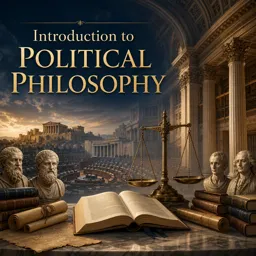
- Political Theory: Explores philosophical ideas behind governments and political behavior.
- Public Administration: Focuses on the implementation and management of public policies within governmental structures.
Political Science and Business Administration
While political science may seem distinct from business, it provides a crucial context for understanding the environment in which companies operate. Effective managers and administrators need to recognize how government regulations, policies, and political climates influence business decisions.
- Regulatory Environments: Businesses must navigate laws and regulations shaped by political processes. Understanding political science helps anticipate changes in policy and adapt strategies accordingly.
- Stakeholder Management: Political science equips business leaders with the tools to engage with government officials, lobby for favorable policies, and participate in public debates.
- Risk Assessment: Identifying and managing political risks—such as policy changes, international disputes, or local governance issues—is easier for those with a grounding in political analysis.
Benefits of Studying Political Science for Business Professionals
- Improved Decision-Making: Managers who understand political dynamics can make more informed choices.
- Ethical Leadership: Political science promotes awareness of ethical considerations in policy and business practices.
- Strategic Communication: Political science teaches effective advocacy and negotiation skills.
Building a Foundation for Future Leaders
Political science training develops critical thinking, research abilities, and an understanding of complex systems. For business administration students and professionals, it offers a valuable toolkit for navigating an interconnected world, anticipating regulatory developments, and influencing public policy.
Conclusion
Understanding political science is essential for anyone interested in the intersection of business and government. It enriches perspectives, strengthens decision-making, and fosters adaptable leadership in a continuously evolving landscape.