Introduction
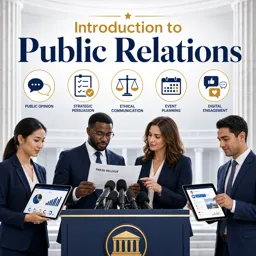
Public Relations (PR) plays a vital role in shaping the image and success of political campaigns. In today’s dynamic, media-driven environment, candidates, parties, and political organizations need effective PR strategies to engage the public, manage crises, and influence voter opinions. This article explores the key strategies and importance of public relations in political campaigns, highlighting its connection to business administration principles.
Understanding Public Relations in Politics
Political PR involves managing the flow of information between political entities and their diverse audiences. The goal is to build a favorable public image, address controversies quickly, and maintain consistent communication with the electorate. Unlike traditional advertising, PR relies on media relationships, events, and grassroots engagement to cultivate trust and credibility.
Developing Effective PR Strategies
- Message Development: Craft clear, persuasive messages that communicate campaign values, policies, and vision to resonate with varied constituencies.
- Media Relations: Build and maintain strong relationships with journalists and media outlets through timely press releases, interviews, and opinion pieces that shape public perception.
- Crisis Management: Prepare to respond swiftly to emerging crises. A proactive PR team can mitigate damage and restore confidence with transparent communication.
- Grassroots Engagement: Host community events, town halls, and mobilize volunteers to interact directly with voters and personalize outreach.
- Strategic Storytelling: Use personal stories to humanize candidates, foster emotional connections, and build voter loyalty by highlighting strengths through compelling narratives.
The Business Administration Perspective
Applying business administration principles enhances political PR effectiveness. Strategic planning, data analysis, resource allocation, and performance monitoring ensure campaigns meet objectives within budget. Analytics help measure public sentiment and refine strategies in real time.
Ethics and Transparency in Political PR
Ethical conduct is crucial. Transparency, honesty, and accountability build lasting public trust. Dishonest tactics or misinformation risk reputational damage and harm democratic processes.
Conclusion
Public relations is a cornerstone of successful political campaigns. By strategically managing communication, addressing challenges, and fostering trust, political organizations can maximize impact. Integrating business administration tactics into PR efforts leads to stronger, sustainable relationships with the electorate.