Human Resources (HR) is a foundational element in any organization, whether small or large. Whether you’re a business owner, aspiring HR professional, or simply seeking to understand HR’s role in business success, this guide covers the essentials.
What Is Human Resources?
HR involves the strategies and processes that manage an organization’s most valuable asset—its people. Its primary goal is to enhance employee performance while aligning with company objectives.
Key Roles And Responsibilities In HR
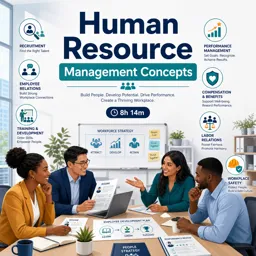
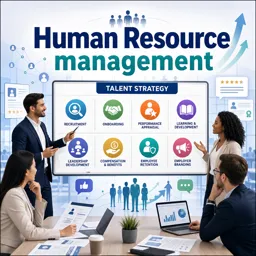
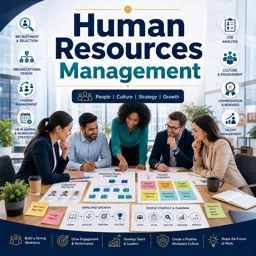
- Recruitment & Talent Acquisition – Attracting, screening, and hiring the right candidates.
- Onboarding and Training – Ensuring employees are properly oriented and have the resources to succeed.
- Performance Management – Setting expectations, reviewing progress, and providing feedback.
- Compensation and Benefits – Managing pay structures, bonuses, and benefits to keep employees motivated.
- Employee Relations – Fostering positive work relationships and resolving conflicts.
- Compliance and Legal Issues – Ensuring adherence to labor laws, safety regulations, and anti-discrimination policies.
Best Practices For Effective HR Management
- Clear Communication – Build trust through open and transparent dialogue.
- Continuous Training – Support professional growth with ongoing development opportunities.
- Fair Policies – Create and enforce fair policies regarding attendance, leave, and disciplinary actions.
- Use of Technology – Streamline HR operations with payroll, scheduling, and performance-tracking systems.
- Inclusive Workplace – Encourage diversity and inclusion to foster creativity and innovation.
Why HR Is Vital For Business Success
Organizations with strong HR practices attract top talent, foster a positive workplace culture, and deliver improved business outcomes. Effective HR ensures compliance, reduces turnover, and boosts productivity.
Conclusion
Human Resources goes far beyond hiring and firing. It shapes company culture, ensures compliance, and drives organizational growth. Whether managing a team or pursuing a career in HR, mastering these fundamentals is essential to long-term success.