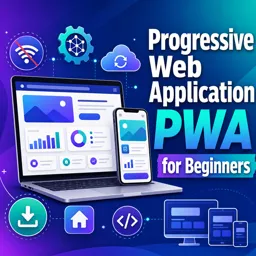
Progressive Web Apps (PWAs) have become a game-changer in creating fast, reliable, and engaging user experiences. Bridging the gap between standard web pages and native mobile apps, PWAs provide a powerful, flexible approach to modern web development.
What Are Progressive Web Apps?
PWAs are web applications that use modern web technologies to deliver app-like experiences directly through the browser. They are designed to be reliable, responsive, and engaging—even with poor network conditions—and can be installed on devices, work offline, and send push notifications.
Key Benefits of PWAs
- Offline Support: Service workers allow PWAs to cache resources and function without an internet connection.
- App-Like Experience: PWAs mimic the look and feel of native apps, including navigation and gestures.
- Easy Installation: Users can install PWAs from their browser without going through an app store.
- Improved Performance: Optimized caching and resource loading ensure faster performance and smoother interactions.
- Push Notifications: These keep users engaged and informed through timely updates.
How PWAs Work
PWAs rely on three core technologies to deliver their features:
- Service Workers: Handle caching, network requests, and push notifications in the background.
- Web App Manifest: A JSON file with metadata that enables installation and custom icons.
- HTTPS: Ensures security, data integrity, and trust for users.
Implementing a Simple PWA
To start building a PWA, follow these steps:
- Add a Web App Manifest: Include details like name, icons, and start URL in a
manifest.jsonfile. - Register a Service Worker: Use JavaScript to enable offline support and caching.
- Ensure HTTPS: Host the app securely to meet PWA standards.
PWAs in Web Development Today
PWAs combine the reach of web applications with the performance of native apps, making them a powerful tool for developers. With growing browser support and user demand for faster, more reliable experiences, PWAs are becoming a standard in modern web development.
Conclusion
Progressive Web Apps empower developers to build high-performing, versatile applications that work across devices and platforms. Embracing PWAs allows businesses to deliver seamless user experiences that exceed the capabilities of traditional web apps.