
Exercises
Explore the core principles of pediatric physiotherapy with this educational quiz. Test your understanding of the primary aims of treatment, common childhood conditions, age groups served, and the role of play in engaging children during therapy. Questions also cover pediatric assessment tools, family-centered care, individualized goal setting, muscle strengthening, early intervention, and strategies for sensory processing challenges. Ideal for students, healthcare learners, and anyone seeking to build foundational knowledge of physiotherapy for infants, children, and adolescents.
Answer the questions below and check the explanation for each answer.
0/10 answered
Auto audio on: the next questions will be read aloud when you click Continue.
The primary goal of pediatric physiotherapy is to enhance the growth and development of children, addressing their specific physical challenges and promoting optimal function and quality of life.
Cerebral Palsy is a common condition in pediatric physiotherapy, where therapy focuses on improving mobility, coordination, and muscle strength to enhance the child's functional abilities.
Pediatric physiotherapy primarily targets children and adolescents, addressing their unique developmental, musculoskeletal, and neurological needs.
Play is crucial in pediatric physiotherapy as it facilitates engagement, which encourages the development of motor skills, coordination, and problem-solving in a fun and motivating manner.
The Peabody Developmental Motor Scales are commonly used in pediatric physiotherapy to assess motor skills in children and help create targeted therapeutic interventions.
Involving family members in pediatric physiotherapy ensures continuity of care, provides support to the child, and reinforces therapeutic strategies at home to enhance overall outcomes.
Setting goals in pediatric physiotherapy requires understanding the child's developmental stage and capabilities to tailor interventions that are realistic and achievable, fostering progress and empowerment.
Muscle strengthening in pediatric physiotherapy plays a critical role in improving movement, posture, and overall function, contributing to a child's ability to perform daily activities independently.
Early intervention in pediatric physiotherapy is significant because it maximizes the potential for improvement in motor skills, development, and function during a crucial period of growth and plasticity.
Pediatric physiotherapy addresses sensory processing issues through sensory integration techniques, which help children better understand and respond to sensory inputs from their environment.

Free CourseShoulder assessment
5

(4)

2h31m

24 exercises

Free CourseOrthopaedics training
5
(1)
5h41m
13 exercises
Free CourseCervical Spine assessment
5
(1)
2h21m
11 exercises
Free CourseBiomechanics lectures
5
(6)
9h19m
14 exercises
Free CourseAnkle Foot Assessment
4.8
(42)
44m
18 exercises
Free CourseSpine Assessment
4.7

(110)
2h04m
28 exercises
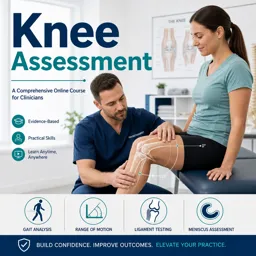
Free CourseKnee Assessment
4.7
(58)
1h00m
28 exercises

Free CourseShoulder Assessment
4.7
(60)
50m
19 exercises
Thousands of online courses in video, ebooks and audiobooks.
To test your knowledge during online courses
Generated directly from your cell phone's photo gallery and sent to your email

Download our app via QR Code or the links below:.


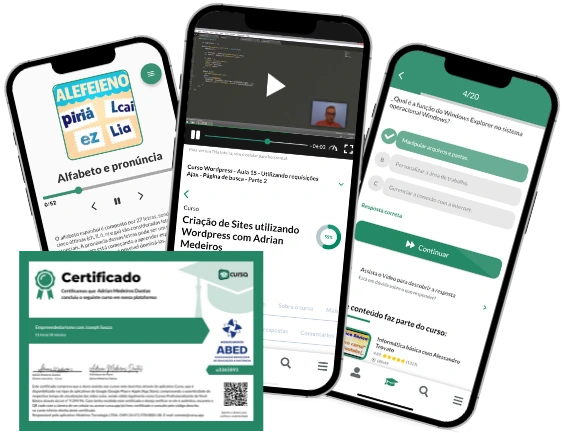
Carry knowledge in your pocket.
Download the Cursa app.
There are hundreds of free courses available, with a free certificate of completion that is saved in your mobile image gallery.
Download the app to access the Course Completion Certificate for Free.


+ 10 million
students

Free and Valid
Certificate

60 thousand free
exercises

4.8/5 rating in
app stores

Free courses in
video and ebooks