
Exercises
Explore essential physiotherapy techniques for the geriatric population with this quiz on safe, effective care for older adults. Test your understanding of balance training, flexibility exercises, joint pain management, breathing exercises, osteoporosis-safe activity, assistive devices, and vital-sign monitoring. You will also review key physiotherapy goals, including improved mobility, independence, function, and cognitive support. Ideal for students, healthcare learners, caregivers, and professionals seeking to strengthen their knowledge of age-appropriate rehabilitation principles and patient safety in geriatric physiotherapy.
Answer the questions below and check the explanation for each answer.
0/10 answered
Auto audio on: the next questions will be read aloud when you click Continue.
Tai Chi is particularly effective for improving balance and reducing falls in elderly patients due to its focus on controlled movements and mental concentration.
Improving functional independence is crucial, as it helps elderly individuals maintain their day-to-day activities and overall quality of life.
Hydrotherapy is effective in reducing joint pain due to its buoyancy, which reduces joint stress and allows for pain-free movement.
Increased physical activity has been linked to improved cognitive function, including memory, due to enhanced blood flow and brain stimulation.
Low-impact aerobic exercises are safe for those with osteoporosis, as they minimize the risk of fractures and joint stress while building endurance.
A patient's medical history is crucial in developing a physiotherapy plan, as it helps in customizing treatments according to their specific health conditions.
Gentle stretching exercises are ideal for enhancing flexibility, as they improve the range of motion without causing undue stress or injury risk.
Breathing exercises can improve respiratory efficiency, helping elderly patients to better manage respiratory complications and improve oxygenation.
Walkers are commonly used as assistive devices to aid mobility, ensuring stability and support for elderly patients during physical activities.
Monitoring vital signs safeguards elderly patients by ensuring their body is responding well to exercise, allowing for necessary adjustments for safety.
Free CourseShoulder assessment
5

(5)

2h31m

24 exercises
Free CourseOrthopaedics training
5
(2)
5h41m
13 exercises
Free CourseCervical Spine assessment
5
(2)
2h21m
11 exercises
Free CourseBiomechanics lectures
5
(6)
9h19m
14 exercises
Free CourseAnkle Foot Assessment
4.8
(42)
44m
18 exercises
Free CourseSpine Assessment
4.7

(110)
2h04m
28 exercises
Free CourseKnee Assessment
4.7
(60)
1h00m
28 exercises
Free CourseShoulder Assessment
4.7
(60)
50m
19 exercises
Thousands of online courses in video, ebooks and audiobooks.
To test your knowledge during online courses
Generated directly from your cell phone's photo gallery and sent to your email

Download our app via QR Code or the links below:.


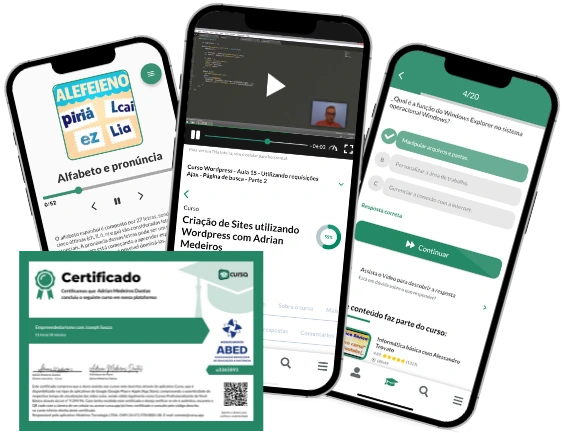
Carry knowledge in your pocket.
Download the Cursa app.
There are hundreds of free courses available, with a free certificate of completion that is saved in your mobile image gallery.
Download the app to access the Course Completion Certificate for Free.


+ 10 million
students

Free and Valid
Certificate

60 thousand free
exercises

4.8/5 rating in
app stores

Free courses in
video and ebooks