
Exercises
Explore the essentials of respiratory physiotherapy with this introductory quiz. Test your understanding of the goals of respiratory care, secretion mobilization techniques, PEP therapy, diaphragmatic breathing, the active cycle of breathing technique, and postural drainage. You will also review the benefits of incentive spirometry, correct huff-cough technique, common respiratory conditions that may benefit from physiotherapy, and equipment used to support breathing exercises. Ideal for students, healthcare learners, and anyone seeking to strengthen their knowledge of airway clearance and pulmonary rehabilitation basics.
Answer the questions below and check the explanation for each answer.
0/10 answered
Auto audio on: the next questions will be read aloud when you click Continue.
The main objective of respiratory physiotherapy is to improve breathing efficiency and respiratory function by promoting the clearance of lung secretions and supporting patients' lung capacity.
Chest percussion is a common technique used to help loosen mucus in the lungs, making it easier to expectorate, thus aiding in respiratory function.
Positive Expiratory Pressure (PEP) therapy involves breathing against resistance, helping to keep airways open, reduce air trapping, and improve secretion clearance.
Patients with Chronic Obstructive Pulmonary Disease (COPD) often benefit from respiratory physiotherapy as it helps improve breathing efficiency and manage symptoms.
Diaphragmatic breathing focuses on deep breaths using the diaphragm muscle, promoting efficient air movement into lungs and enhancing respiratory efficiency.
The active cycle of breathing technique involves these stages to facilitate mucus clearance and improve lung function: breathing control, thoracic expansion, and forced expiration.
Postural drainage uses gravity-assisted positions to help drain mucus from the lungs, facilitating clearance and improving respiratory function.
Incentive spirometry encourages deep breathing which helps keep the alveoli open, reduce atelectasis, and improve overall lung function.
A huff cough involves taking a deep breath and then forcefully exhaling through an open throat, moving mucus to larger airways for easy expectoration.
A spirometer is often used to help patients perform controlled breathing exercises, measure breath volumes, and improve lung capacity.
Free CourseShoulder assessment
5

(4)

2h31m

24 exercises

Free CourseOrthopaedics training
5
(1)
5h41m
13 exercises
Free CourseCervical Spine assessment
5
(1)
2h21m
11 exercises
Free CourseBiomechanics lectures
5
(6)
9h19m
14 exercises
Free CourseAnkle Foot Assessment
4.8
(42)
44m
18 exercises
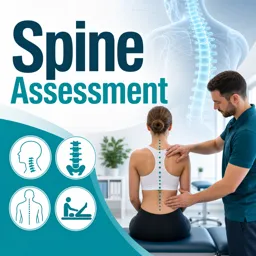
Free CourseSpine Assessment
4.7

(110)
2h04m
28 exercises
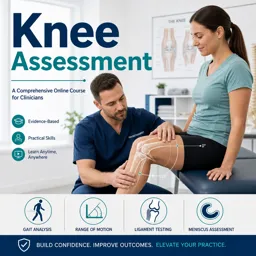
Free CourseKnee Assessment
4.7
(58)
1h00m
28 exercises
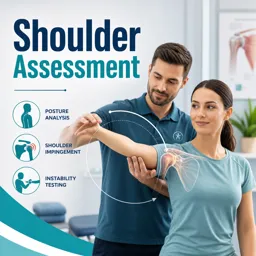
Free CourseShoulder Assessment
4.7
(60)
50m
19 exercises
Thousands of online courses in video, ebooks and audiobooks.
To test your knowledge during online courses
Generated directly from your cell phone's photo gallery and sent to your email

Download our app via QR Code or the links below:.



Carry knowledge in your pocket.
Download the Cursa app.
There are hundreds of free courses available, with a free certificate of completion that is saved in your mobile image gallery.
Download the app to access the Course Completion Certificate for Free.


+ 10 million
students

Free and Valid
Certificate

60 thousand free
exercises

4.8/5 rating in
app stores

Free courses in
video and ebooks