
Exercises
Challenge your understanding of material science and engineering with this quiz on the properties, structures, and applications of common engineering materials. Explore key differences between metallic and non-metallic materials, crystal structures in metals, tensile strength, thermal conductivity, and ceramic bonding. Test your knowledge of fracture resistance, metal hardening through deformation, tungsten's industrial uses, polymer characteristics, and chemically resistant materials used in processing industries. Ideal for students, educators, and anyone building a foundation in materials engineering.
Answer the questions below and check the explanation for each answer.
0/10 answered
Auto audio on: the next questions will be read aloud when you click Continue.
Metallic materials are known for their free electrons, making them excellent conductors of electricity, unlike non-metallic materials.
Face-centered cubic (FCC) is a common crystal structure found in metals at room temperature, known for its close packing.
Tensile strength is the material's ability to resist tension or pulling forces, crucial in assessing its structural integrity.
Copper is widely known for its high thermal conductivity, making it ideal for applications involving heat transfer.
Ceramic materials exhibit ionic and covalent bonding, contributing to their brittleness but high melting points.
Fracture toughness measures a material's ability to resist the growth of a crack, crucial for the safety and reliability of components.
Work hardening involves deforming crystal structures, increasing dislocation density, and thus enhancing hardness.
Tungsten's high melting point and ability to withstand extreme temperatures make it ideal for light bulb filaments.
Polymers, known for their flexibility and low density, are widely used in lightweight applications and flexible manufacturing.
Teflon is known for its high resistance to chemical attack, making it perfect for linings, seals, and gaskets in chemical processing.
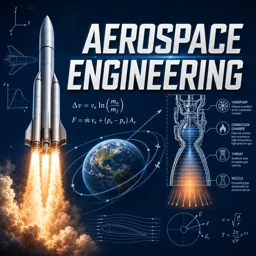
Free CourseAerospace Engineering
5

(4)

17h32m

20 exercises
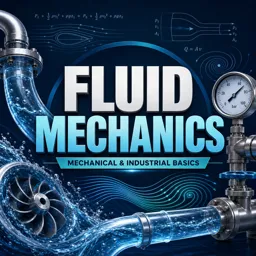
Free CourseFluid Mechanics
5
(3)
23h09m
16 exercises
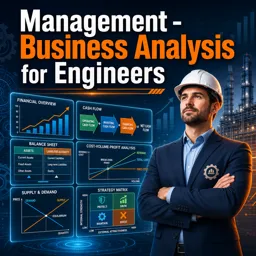
Free CourseManagement - Business Analysis for Engineers
4.8
(84)
31h13m
29 exercises
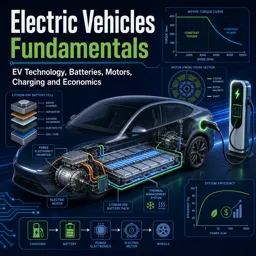
Free CourseElectric Vehicles Fundamentals: EV Technology, Batteries, Motors, Charging and Economics
4.8

(4)
33h11m
39 exercises
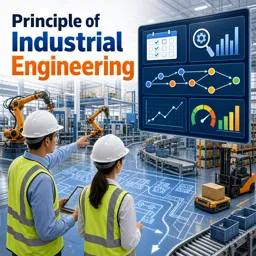
Free CoursePrinciple of industrial engineering
4.8
(8)
32h27m
33 exercises
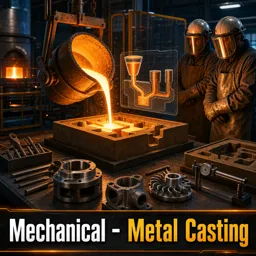
Free CourseMechanical - Metal Casting
4.7
(93)
30h34m
30 exercises
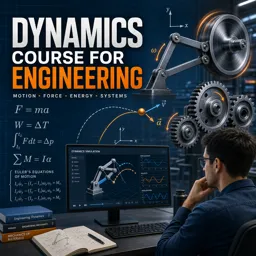
Free CourseDynamics course for Engineering
4.7
(3)
28h05m
30 exercises
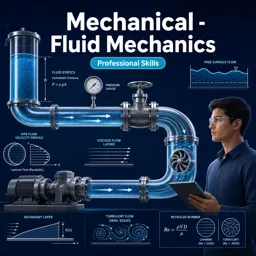
Free CourseMechanical - Fluid Mechanics
4.6
(63)
41h57m
32 exercises
Thousands of online courses in video, ebooks and audiobooks.
To test your knowledge during online courses
Generated directly from your cell phone's photo gallery and sent to your email

Download our app via QR Code or the links below:.


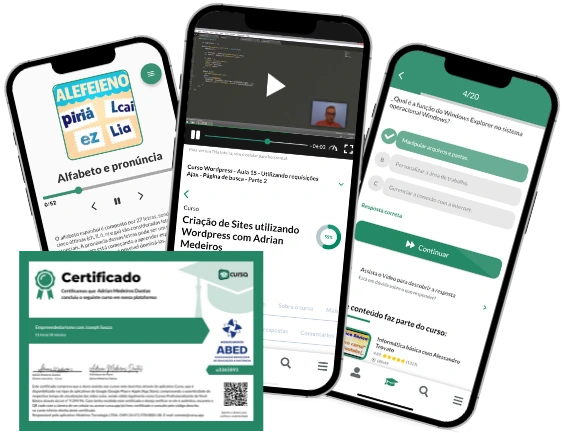
Carry knowledge in your pocket.
Download the Cursa app.
There are hundreds of free courses available, with a free certificate of completion that is saved in your mobile image gallery.
Download the app to access the Course Completion Certificate for Free.


+ 10 million
students

Free and Valid
Certificate

60 thousand free
exercises

4.8/5 rating in
app stores

Free courses in
video and ebooks