
Exercises
This quiz assesses practical knowledge of UTM campaign tracking. You will work with source, medium, campaign, content, and term parameters; examine correct URL construction; diagnose missing or fragmented data; and apply naming standards. The questions also cover redirects, internal links, privacy, offline campaigns, acquisition dimensions, attribution, and prelaunch validation. Scenarios and visual prompts reflect common measurement challenges faced by digital marketers.
Answer the questions below and check the explanation for each answer.
0/17 answered
Auto audio on: the next questions will be read aloud when you click Continue.
UTM parameters add campaign metadata to a URL so analytics tools can identify where visits came from and which marketing effort generated them. They do not directly improve rankings or page speed.
utm_source identifies the specific traffic source, such as google, linkedin, or a partner newsletter. The campaign and content parameters describe different aspects of the promotion.
The medium describes the broad marketing channel. Using email creates a clear, reusable classification, while newsletter names and audience details belong in other fields.
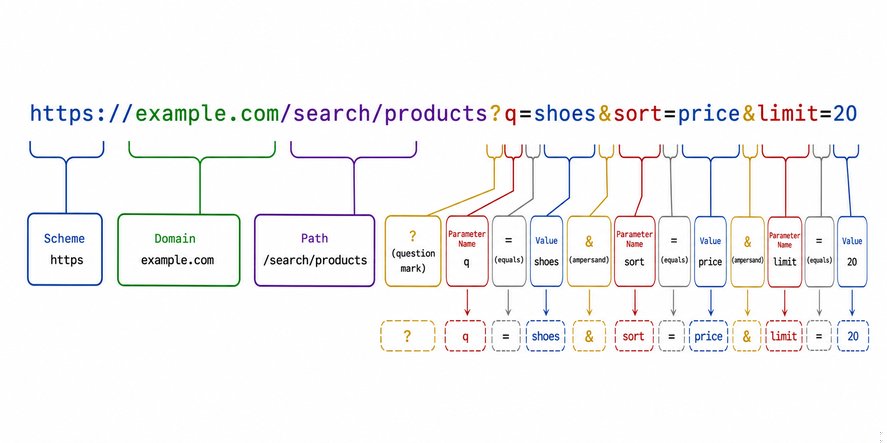
A query string begins with ?, and additional parameters are separated with &. A fragment introduced by # is not the standard location for UTM query parameters.
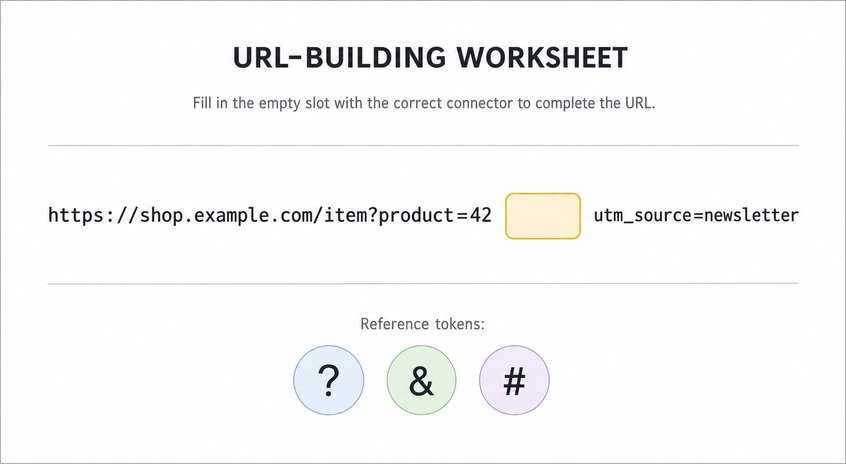
Because the URL already contains a query string beginning with ?, the first UTM parameter must be added with &. A URL should not begin a second query string with another question mark.
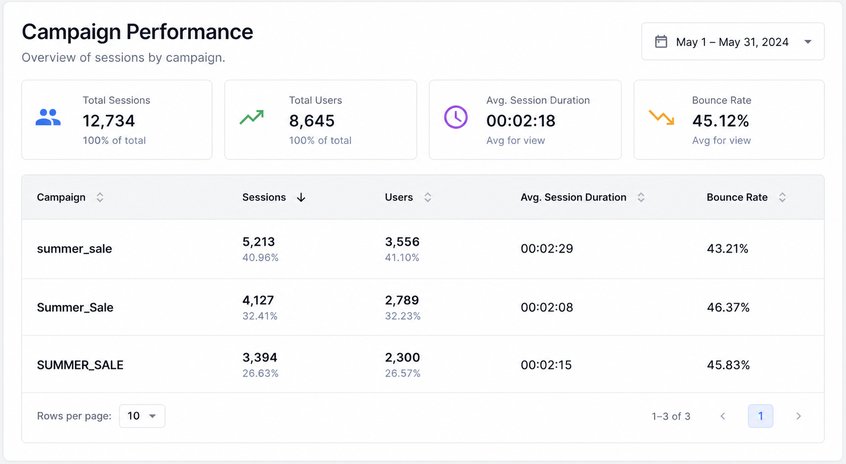
UTM values can be case-sensitive in reporting. Inconsistent capitalization may create separate rows for what marketers intended to be one campaign, so a lowercase naming standard is advisable.
URLs may be stored in browsers, analytics systems, server logs, and shared messages. Personally identifiable information should not be exposed through UTM parameters.
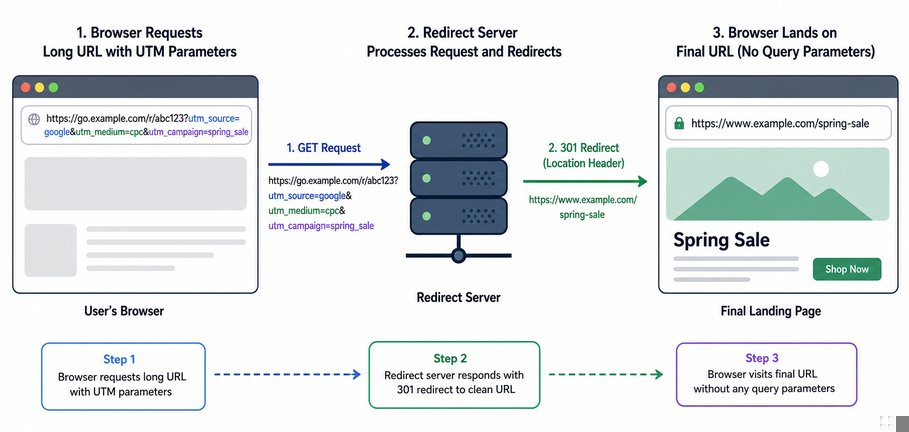
If a redirect strips the query string, the UTM metadata never reaches the measured landing page. The visit may therefore be assigned to another source or lack the intended campaign information.
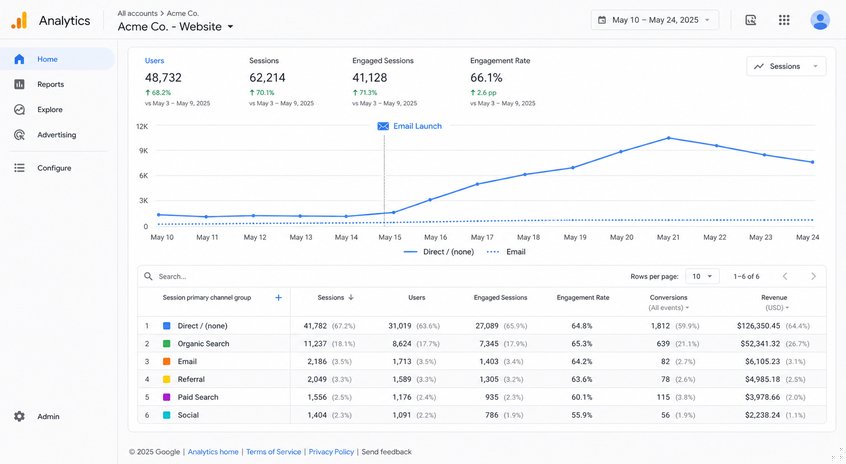
Untagged email visits may lack usable referral information and appear as direct traffic. A sudden direct-traffic increase aligned with an email launch is a strong reason to inspect the campaign links and redirects.
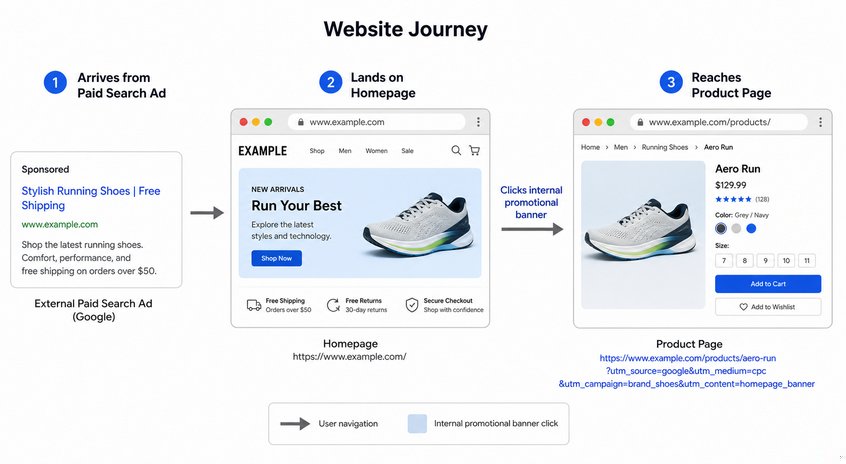
UTMs are intended for inbound campaign traffic. Using them on internal links can contaminate acquisition reporting. Internal interactions should instead be measured with appropriately configured events.
A documented taxonomy and shared builder promote consistent spelling, capitalization, separators, and channel definitions. This makes campaign data easier to aggregate and compare.
A unique value per recipient can produce an enormous number of campaign rows, making reports difficult to use. It can also introduce privacy concerns if those values can identify people.
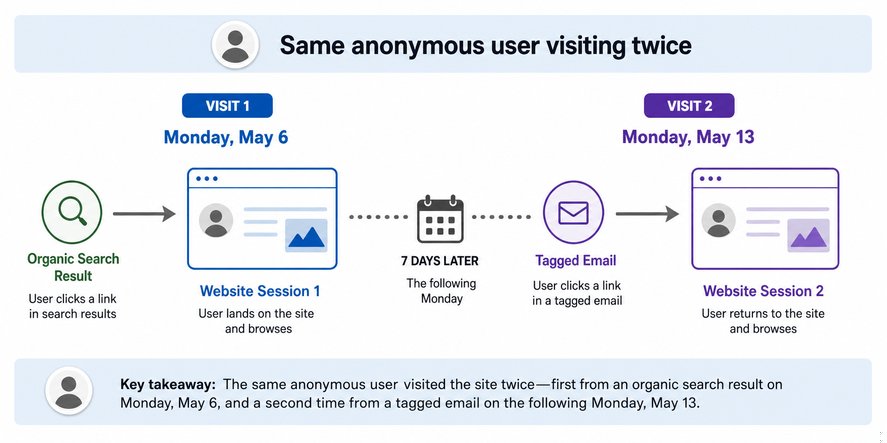
First user source describes how the user was initially acquired. Session source can describe the source associated with a later session, such as the tagged email return.
utm_content is commonly used to distinguish ads, links, calls to action, or creative variants within the same campaign. Source and medium should remain consistent when those dimensions have not changed.
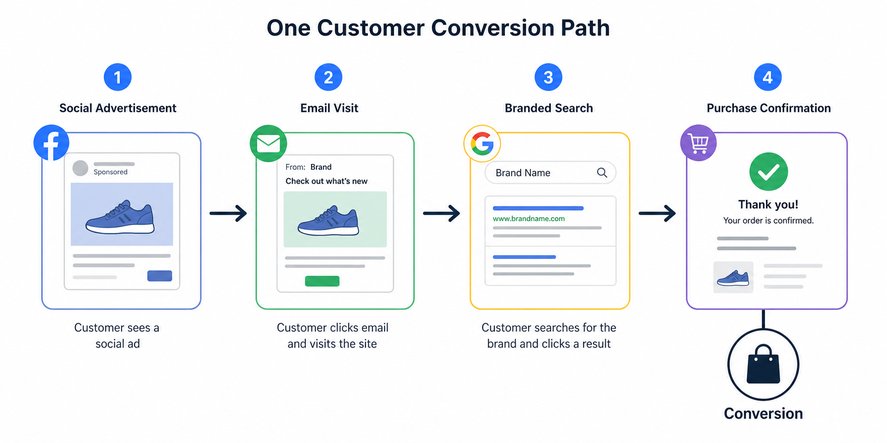
UTMs provide campaign identity for tagged visits. The analytics platform's attribution model determines how conversion credit is allocated. Tracking an interaction alone does not establish causation.
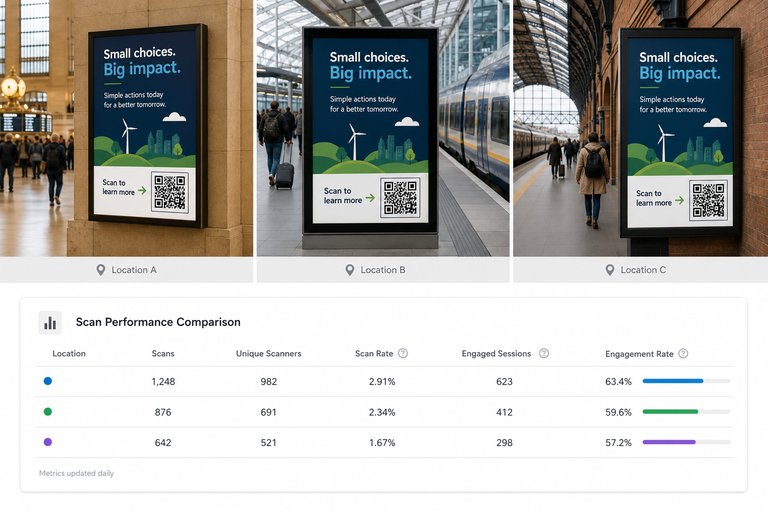
Consistent source and medium values preserve channel grouping, while a controlled campaign or content value can distinguish poster locations. Untagged links cannot provide the same campaign-level comparison.
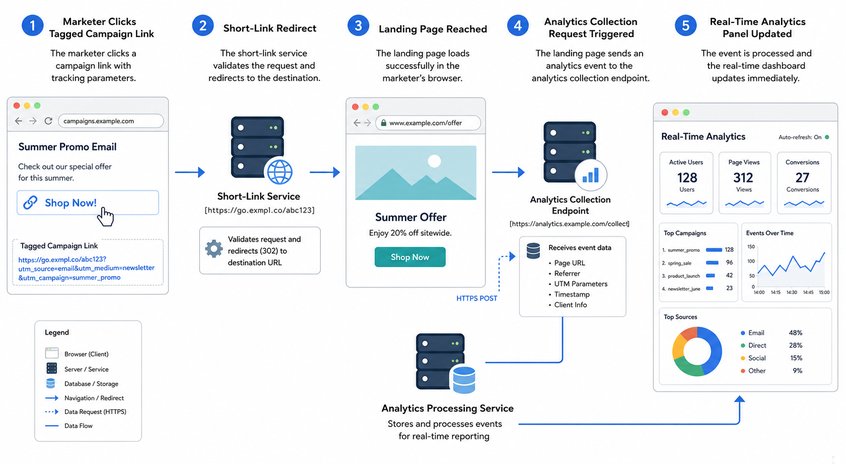
An end-to-end test validates URL construction, redirects, landing-page behavior, analytics collection, and reported campaign values. Reviewing a spreadsheet alone cannot reveal technical data loss.
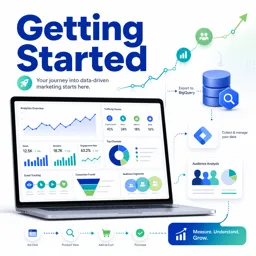
Free CourseGetting Started
5

(4)

2h46m

21 exercises

Free CourseOn-Page SEO
5
(1)
38m
5 exercises

Free CourseInteractive Content in Digital Marketing
5
(1)
2h12m
12 exercises

Free CourseSEO for Beginners
4.9
(88)
1h49m
16 exercises

Free CourseGoogle Digital Marketing and Ecommerce
4.8
(30)
13h33m
28 exercises

Free CourseApp marketing
4.7

(82)
3h57m
38 exercises

Free CourseGoogle Ads beginner to advanced
4.7
(21)
15h53m
13 exercises

Free CourseSocial Media Management
4.7
(6)
7h54m
6 exercises
Thousands of online courses in video, ebooks and audiobooks.
To test your knowledge during online courses
Generated directly from your cell phone's photo gallery and sent to your email

Download our app via QR Code or the links below:.


Carry knowledge in your pocket.
Download the Cursa app.
There are hundreds of free courses available, with a free certificate of completion that is saved in your mobile image gallery.
Download the app to access the Course Completion Certificate for Free.


+ 10 million
students

Free and Valid
Certificate

60 thousand free
exercises

4.8/5 rating in
app stores

Free courses in
video and ebooks