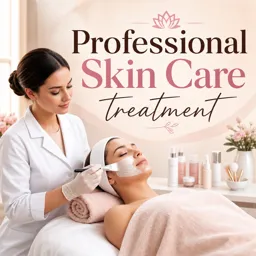
Smooth, comfortable, “healthy-looking” skin often comes down to one thing: a strong skin barrier. When the barrier is compromised, skin can feel tight, look dull, sting with products that never used to bother you, and react more easily to weather, friction, or active ingredients. Learning how to recognize barrier stress—and how to support recovery—is a practical skill for anyone studying skin care.
The skin barrier (primarily the stratum corneum) works like a “brick-and-mortar” wall: skin cells are the bricks, and lipids such as ceramides, cholesterol, and fatty acids form the mortar. This structure helps keep water in and irritants out. When it weakens, transepidermal water loss rises and everyday exposures can trigger redness, flaking, or burning sensations.
Common signs your barrier may need support include persistent dryness that returns quickly after moisturizing, stinging when applying gentle products, sudden sensitivity to fragrance or acids, patchy redness, rough texture, and makeup that clings to flaky areas. These signs can appear on any skin type—including oily or acne-prone skin—because oiliness and barrier strength are not the same thing.
What typically disrupts the barrier? Over-cleansing, harsh surfactants, frequent exfoliation, combining multiple strong actives, picking at blemishes, aggressive shaving or waxing practices, climate shifts, and under-moisturizing. Even “good” ingredients can become too much when layered without a plan (for example, using strong acids plus retinoids plus frequent scrubs).
A barrier-repair reset (simple, effective, and teachable) often means reducing variables for a short period so skin can stabilize. Consider a routine built around: a gentle cleanser (or just a water rinse in the morning if tolerated), a barrier-supporting moisturizer, and daily broad-spectrum sunscreen. Optional additions include a bland hydrating serum (like glycerin- or hyaluronic-based formulas) if it doesn’t sting.

Ingredient families that support barrier function are worth knowing for both personal use and professional decision-making:
Humectants help attract and hold water in the skin (examples: glycerin, panthenol, sodium PCA, hyaluronic acid).
Emollients smooth and soften by filling in rough edges (examples: squalane, triglycerides).
Occlusives reduce water loss by forming a protective layer (examples: petrolatum, dimethicone, certain waxes/butters). Many well-formulated moisturizers blend all three categories.
Ceramides, cholesterol, and fatty acids are particularly aligned with barrier repair because they mimic the skin’s natural lipid ratio. While you don’t always need all three in one product, barrier-focused formulas that include ceramides (often with supporting lipids) can be a smart anchor during recovery—especially when sensitivity is high.
How to reintroduce active ingredients without re-triggering irritation is a core skill. Once skin feels stable (less stinging, less flaking, more consistent hydration), reintroduce one active at a time. Start with lower frequency (e.g., 1–2 nights per week), buffer with moisturizer if needed, and avoid stacking multiple new actives in the same week. This “one change at a time” approach helps you identify what truly works.
Barrier repair and acne: what to know. Many people chase oil control and end up over-stripping, which can worsen inflammation and increase reactivity. A calmer barrier can improve tolerance to acne treatments and reduce the urge to scrub or pick. If you’re using acne actives (like benzoyl peroxide, salicylic acid, or retinoids), consider spacing them out, using a gentler cleanser, and prioritizing moisturizing and sunscreen to keep the barrier supported.
Professional treatments and the barrier. Many in-clinic or spa services (peels, exfoliating facials, some devices) temporarily stress the barrier by design. The best outcomes come from appropriate pre-care and aftercare—often involving simplified routines, diligent sun protection, and avoiding extra exfoliation until the skin has normalized. Learning treatment timing and recovery windows is as important as learning the treatment itself.

Hair removal and irritation prevention. Waxing, shaving, and other hair-removal methods can create micro-irritation—especially when paired with strong actives. A common best practice is pausing exfoliating acids and retinoids around hair removal, using soothing, fragrance-free moisturizers, and protecting the area from friction and sun exposure afterward.
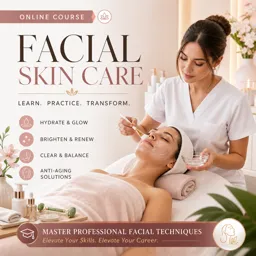
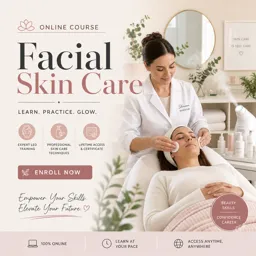
If you want to deepen your skills beyond routines and ingredients, explore the broader training options in esthetics and skin care. Start with https://cursa.app/free-online-aesthetics-courses, then continue into the focused https://cursa.app/free-courses-aesthetics-online learning path. For complementary topics, you can also study https://cursa.app/free-online-courses/facial-skin-care and https://cursa.app/free-online-courses/waxing. If you’d like a strong foundation before specializing, visit https://cursa.app/free-online-courses/basic-skincare.
Quick barrier-friendly checklist: keep cleansing gentle, moisturize consistently, wear sunscreen daily, minimize fragrance and harsh alcohols when sensitized, and introduce actives slowly. With the right approach, barrier repair becomes less about buying more products and more about building a calm, repeatable routine that your skin can actually tolerate.