Introduction
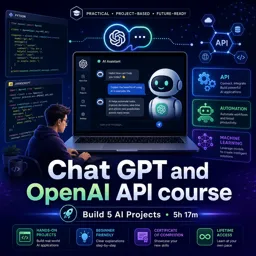
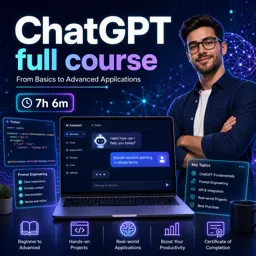
ChatGPT, a language model developed by OpenAI, is rapidly transforming the landscape of Artificial Intelligence (AI) and Information Technology. Its natural language processing capabilities enable it to understand and generate human-like text, making it a valuable tool across various industries. This article explores how ChatGPT can be practically applied in business environments to streamline operations and enhance customer experiences.
Automating Customer Support
One of the most prominent uses of ChatGPT in business is automating customer support. By deploying AI-powered chatbots on websites and messaging platforms, companies can provide immediate assistance to customers around the clock. ChatGPT can handle common inquiries, help troubleshoot issues, and escalate complex cases to human agents, thereby reducing workload and response times.
Enhancing Internal Communication
Internal communication is vital for business productivity. ChatGPT can assist with scheduling meetings, managing reminders, and even summarizing lengthy email threads or documents. When integrated with team collaboration tools, it helps employees access information quickly and communicate more efficiently.
Accelerating Content Creation
Businesses often require a large volume of written content, from product descriptions to reports and marketing materials. ChatGPT can help generate drafts, proofread texts, and suggest improvements. This not only saves time but also ensures consistency and high quality across all written communication.
Enabling Personalized Marketing
With its ability to process vast amounts of data, ChatGPT can be leveraged to craft personalized email campaigns, product recommendations, and promotional messages. By analyzing customer preferences, it helps businesses engage users with timely and relevant content, leading to improved conversion rates.
Streamlining Recruitment Processes
Recruiters can utilize ChatGPT to screen resumes, schedule interviews, and communicate with candidates. The model can help identify top talent by parsing qualifications and matching them to job requirements, ultimately expediting the hiring process.
Conclusion
ChatGPT offers intuitive, AI-driven solutions to many business challenges. Its adoption in customer support, internal communication, content creation, marketing, and recruitment demonstrates its versatility and effectiveness. As organizations continue to innovate, ChatGPT is poised to become an indispensable asset in business environments.