Epoxy flooring has long been valued for its durability and sleek, seamless look, but 2024 is set to push the boundaries of what this versatile material can offer. The latest trends are all about enhancing aesthetic appeal while maintaining the practicality that epoxy is known for. Here, we delve into the cutting-edge designs and patterns emerging in epoxy flooring this year:
- 3D Epoxy Floor Art: One of the most striking trends making waves in 2024 is the use of 3D effects. Homeowners and businesses alike are opting for epoxy floors that feature lifelike images, such as underwater scenes, forest pathways, or intricate abstract patterns. These designs transform spaces into immersive environments and serve as conversation starters.
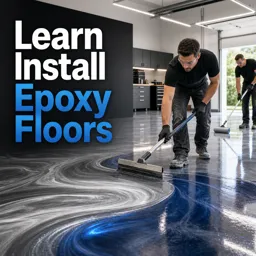
- Metallic Finishes: Metallic epoxy floors continue to be a favorite, evolving with more dynamic color combinations and marbled effects. This design trend allows for a modern, high-gloss finish that mimics the appearance of flowing metal or liquid marble, adding a luxurious touch to residential and commercial interiors.
- Custom Patterns and Geometric Designs: Gone are the days of uniform epoxy finishes. Custom patterns, including hexagons, chevrons, and mosaic tile-like effects, are taking center stage. These intricate designs can be created using multiple layers of tinted epoxy, offering unique visual depth and texture.
- Bold Colors and Statement Pieces: Another trend to watch is the use of bold, vibrant colors. With advances in pigment technology, epoxy floors can now feature a wide array of hues without compromising on quality or finish. Statement floors, whether in eye-popping red or deep emerald green, are becoming focal points in interior design.
As design options continue to evolve, epoxy flooring is no longer just practical but a canvas for artistic expression, suitable for anyone looking to elevate their space with style and innovation.
Advancements in Epoxy Flooring Technology
Epoxy flooring has come a long way from being a simple, durable surface solution to becoming a sophisticated, customizable option for homes and commercial spaces. The year 2024 brings exciting technological advancements that promise to revolutionize how epoxy flooring is applied and maintained. Here are some key innovations:
- Faster Curing Times: New chemical formulations have significantly reduced the time required for epoxy to cure. This development is crucial for businesses that need to minimize downtime during renovations or upgrades.
- Enhanced Durability: Improved additives and coatings are making epoxy floors more resilient than ever before. This year, expect to see options that resist higher temperatures, stronger chemicals, and greater impacts, making them ideal for industrial and heavy-use areas.
- Eco-Friendly Compositions: With sustainability in mind, many manufacturers are rolling out low-VOC and environmentally friendly epoxy solutions. These options help reduce indoor air pollution and meet stricter building regulations.
- Advanced Application Methods: Technological improvements in the equipment used for applying epoxy have made it easier to achieve even, bubble-free finishes. Automated application systems and self-leveling compounds allow for a more consistent and high-quality result, even in large-scale projects.
These advancements solidify epoxy flooring’s place not just as a durable option but as a highly adaptable and forward-thinking choice that meets the needs of modern spaces.