A darker primer can show through lighter topcoats and may require extra coats to achieve even coverage.

Duration of the online course: 1 hours and 18 minutes
5

(1)
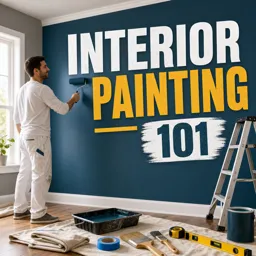
Paint cleaner, smoother walls with pro prep techniques. Join this free online course and build job-ready interior painting skills in less time.
Want interior walls that look professionally finished, not streaky, patchy, or uneven? This free online course builds the practical painting habits that make the biggest difference, starting before the first coat ever goes on. You will learn how experienced painters think about preparation, why surface flaws show up after painting, and how to avoid the most common mistakes that waste time and paint.
The course focuses on the prep steps that separate a quick DIY touch-up from a durable, consistent result. You will explore smart sanding practices that help paint bond evenly, reduce visible texture issues, and prevent highlights from catching imperfections. With a clearer understanding of how to assess and smooth a surface, you can improve coverage, create sharper lines, and make finished walls look more uniform under different lighting conditions.
A key theme is primer tinting and why choosing the wrong tint can make the job harder. You will understand why priming with a darker tint than the final color can cause extra coats, uneven color development, and frustrating results. You will also learn how using a deliberate primer tinting approach can actually help reveal deficiencies in the wall, making it easier to correct problems before they become obvious after the finish coat goes on. That means fewer surprises, less rework, and a more reliable process you can repeat from room to room.
Practical details matter, especially around corners and transitions where paint build-up, shadow lines, and mismatched coverage can stand out. The course highlights considerations for priming and painting corners so the final look stays clean and consistent, not muddy or overworked. Whether you are improving your own space or building construction-ready skills for side jobs and professional opportunities, you will leave with a stronger foundation and a more confident workflow for interior painting.

1 hours and 18 minutes of online video course

Digital certificate of course completion (Free)

Exercises to train your knowledge

100% free, from content to certificate
Why should primer not be tinted darker than the final wall color?
A darker primer can show through lighter topcoats and may require extra coats to achieve even coverage.
What is the best way to sand interior walls before painting?
Sand lightly and evenly to smooth imperfections, then remove all dust before applying primer or paint.
How can tinted primer help identify wall imperfections?
Using a contrasting tint can make missed patches, uneven texture, and surface flaws easier to spot before painting.
Ready to get started?Download the app and get started today.
Install the app now
to access the course
Over 5,000 free courses
Programming, English, Digital Marketing and much more! Learn whatever you want, for free.

Study plan with AI
Our app's Artificial Intelligence can create a study schedule for the course you choose.

From zero to professional success
Improve your resume with our free Certificate and then use our Artificial Intelligence to find your dream job.
You can also use the QR Code or the links below.



Free CourseHow to be a mason
5
(2)

2h39m

32 exercises

Free CourseBuild a wooden house
5
(1)
6h36m
15 exercises
Free CourseHardwood floor installation for beginners
5
(2)
49m
6 exercises
Free CoursePro Painting guide
5
(5)
25m
5 exercises

Free CourseHow to build a Shed
5
(1)
1h44m
16 exercises
Free CourseHow to tile
5
(1)
2h38m
6 exercises
Free CourseHow to Mud and Tape Drywall
5
(6)
1h34m
6 exercises

Free CourseDIY plumbing full course
4.9
(16)
2h22m

Free CourseIntroduction to Construction Project Management
4.9
(10)
19h51m
29 exercises
Free CourseHow to painting
4.8
(5)
20h59m
29 exercises
Carry knowledge in your pocket.
Download the Cursa app.
There are hundreds of free courses available, with a free certificate of completion that is saved in your mobile image gallery.
Download the app to access the Course Completion Certificate for Free.


+ 10 million
students

Free and Valid
Certificate

60 thousand free
exercises

4.8/5 rating in
app stores

Free courses in
video and ebooks