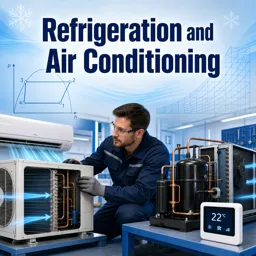
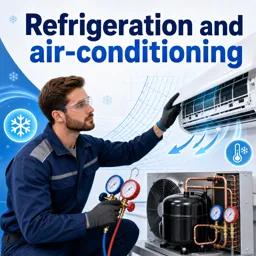
Refrigeration and air conditioning systems are everywhere in modern life, from the refrigerator in your kitchen to the units that keep offices, hospitals, and data centers comfortable and functional. Yet most people never learn how these machines actually work. Understanding the basic principles behind cooling technology is not only useful for anyone considering a career in HVAC (heating, ventilation, and air conditioning) and refrigeration, but also helps homeowners and professionals make smarter decisions about maintenance, troubleshooting, and system selection. This guide walks through the fundamental science, the main components involved, and some of the practical knowledge that separates a curious beginner from someone ready to start working with these systems safely and confidently.
The Basic Refrigeration Cycle Explained
At the heart of every refrigeration and air conditioning system lies a simple physical principle: when a liquid evaporates, it absorbs heat from its surroundings. Refrigeration systems use this principle over and over again through a closed loop called the refrigeration cycle. A special fluid called a refrigerant circulates through the system, changing between liquid and gas states to move heat from one place to another.
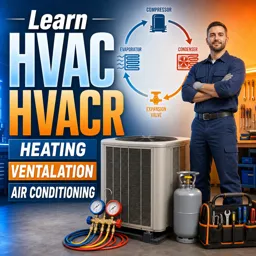
The cycle can be broken down into four main stages: compression, condensation, expansion, and evaporation. The refrigerant absorbs heat from inside a space (such as a refrigerator compartment or a room) during evaporation, then releases that heat outside the space during condensation. This continuous cycle is what allows a system to keep an area cool even as heat naturally tries to flow back in.
Key Components of a Refrigeration System
Every basic refrigeration or air conditioning system relies on four essential components working together. Learning their names and functions is the first step for anyone studying this field.
- Compressor: Pressurizes the refrigerant gas, raising its temperature and pressure before sending it to the condenser.
- Condenser: Releases the heat absorbed by the refrigerant into the outside air, causing the refrigerant to turn from a hot gas into a liquid.
- Expansion valve (or metering device): Reduces the pressure of the liquid refrigerant, allowing it to cool down dramatically before entering the evaporator.
- Evaporator: Absorbs heat from the indoor air or the space being cooled, causing the refrigerant to evaporate back into a gas and restart the cycle.
A fan is usually paired with the evaporator to circulate cooled air through a room, and another fan works with the condenser to help dissipate heat outdoors.
How Air Conditioning Differs From Refrigeration
Air conditioning and refrigeration rely on the exact same cycle and the same core components, so the terms are often used interchangeably in technical training. The main practical difference lies in the application. Refrigeration systems, such as those in refrigerators, freezers, and cold storage rooms, are designed to keep enclosed spaces at very low temperatures for food preservation or industrial processes. Air conditioning systems are designed to cool and often dehumidify larger, occupied spaces like homes, offices, and vehicles, keeping temperatures in a comfortable range for people rather than at freezing or near-freezing levels.
Common Types of Air Conditioning Systems
Choosing the right type of system depends on the size of the space, budget, and installation requirements. The table below compares some of the most common residential and commercial options.
| System Type | Best For | Key Advantage | Key Limitation |
|---|---|---|---|
| Window unit | Single rooms, apartments | Low cost, easy installation | Limited cooling capacity, visible in window |
| Split system (mini-split) | Individual rooms or small homes | Quiet, energy-efficient, flexible placement | Higher upfront cost than window units |
| Central air system | Whole homes and larger buildings | Even cooling throughout the space | Requires ductwork, higher installation cost |
| Portable unit | Temporary or rental spaces | No permanent installation needed | Generally less efficient, needs venting |
Basic Maintenance Tips
Regular maintenance keeps refrigeration and air conditioning systems running efficiently and extends their lifespan. Some fundamental habits apply across almost every type of system:
- Clean or replace air filters regularly to maintain proper airflow.
- Keep the outdoor condenser unit free of leaves, dirt, and debris.
- Check that condensate drain lines are not clogged, which can cause water damage.
- Inspect refrigerant lines for signs of frost or leaks, which can signal a problem.
- Schedule periodic professional inspections to catch issues before they become costly repairs.
Refrigerants: What They Are and Why They Matter
The refrigerant is the working fluid that makes the entire cooling cycle possible, and choosing the right one matters for both performance and environmental impact. Over the decades, the industry has moved through several generations of refrigerants as scientific understanding of their environmental effects has improved. Older refrigerants were phased out due to their impact on the ozone layer, and newer generations continue to evolve in response to concerns about their contribution to global warming. Technicians working in this field need to stay current on which refrigerants are approved for use in their region, as regulations can vary and change over time. Beyond the environmental angle, different refrigerants also have different pressure and temperature characteristics, which is why a system designed for one type of refrigerant cannot simply be filled with another without proper evaluation.
Safety Considerations
Working with refrigeration and air conditioning equipment involves handling pressurized systems, electrical components, and refrigerants that require careful management. Refrigerants must be recovered and handled according to established safety and environmental guidelines rather than released into the atmosphere. Electrical components should only be serviced with the power properly disconnected, and anyone working on these systems professionally typically needs specific certifications depending on their region. Pressurized lines can also pose a physical hazard if opened incorrectly, which is another reason hands-on training is so important before attempting repairs. For homeowners, the safest approach is to handle basic tasks like filter changes yourself while leaving refrigerant handling, electrical repairs, and major diagnostics to a qualified technician.
Building a Foundation for a Career in HVAC and Refrigeration
The refrigeration and air conditioning field offers steady demand, since cooling systems are essential in nearly every climate and industry. Starting with the fundamentals covered here, such as the refrigeration cycle, core components, and basic maintenance, gives beginners a solid base before moving on to more advanced topics like electrical diagnostics, system sizing, and different refrigerant types used in modern equipment.
Whether you are a homeowner who wants to understand your own cooling system better or someone exploring a hands-on trade with long-term career potential, learning how these systems work is a practical and rewarding first step. If you would like to go deeper into the subject, check out related courses on Cursa to continue building your knowledge of refrigeration and air conditioning fundamentals.