Introduction
In recent years, the relationship between logistics and environmental sustainability has become a focal point for businesses looking to reduce their carbon footprint and increase efficiency. In this article, we will delve into how logistics operations can be aligned with green initiatives to promote sustainability across supply chains.
Understanding the environmental impact of logistics
Logistics play a vital role in the smooth operation of supply chains but are often linked with significant environmental impacts, including high energy consumption, greenhouse gas emissions, and waste generation. With governments and consumers increasingly concerned about climate change, it has become imperative for logistics managers to adopt sustainable practices.
Strategies for sustainable logistics
To foster sustainability within logistics, various strategies can be adopted:
- Optimized route planning: By implementing advanced route planning software, logistics companies can reduce fuel consumption and emissions by selecting the shortest and most efficient routes.
- Eco-friendly packaging: Using recyclable and biodegradable packaging materials helps minimize the environmental impact of packaging waste throughout the supply chain.
- Energy-efficient transportation: Investing in energy-efficient vehicles or retrofitting existing fleets contributes significantly to reducing a company’s carbon footprint.
- Collaborative logistics: Sharing logistics resources and infrastructure with other companies can lead to reduced empty miles and improved resource utilization.
The role of technology in sustainable logistics
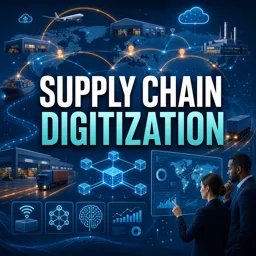
Innovation and technology play a crucial role in advancing sustainable logistics practices. By utilizing Internet of Things (IoT) devices, blockchain for transparent supply chains, and artificial intelligence for demand forecasting, logistics companies can drive efficiencies while maintaining eco-friendly operations.
Conclusion
Embracing sustainable logistics is more than just a responsibility; it presents opportunities for cost savings, reputation enhancement, and compliance with regulatory standards. Businesses that effectively integrate logistic operations with environmental aims can fulfill their sustainability goals while fostering long-term success.