Introduction
Drywall installation and finishing are fundamental skills in construction projects of all sizes, from residential renovations to commercial developments. Whether you are a professional contractor or a beginner eager to learn, understanding the right tools and materials for drywall work is crucial for achieving quality, safety, and efficiency.
Why the Right Tools and Materials Matter
Using proper tools and quality materials not only simplifies the installation process but also ensures a smooth, long-lasting finish. Well-selected supplies can help you avoid common problems like jagged cuts, poor adhesion, cracking, or uneven surfaces.
Key Drywall Tools You Will Need
- Utility Knife: Essential for scoring and cutting drywall sheets precisely.
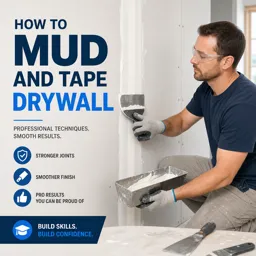
- Taping Knife: Available in multiple widths, these tools help spread joint compound smoothly over seams and screw holes.
- Drywall Saw: Ideal for cutting out spaces for electrical outlets or light fixtures.
- Drywall Square: Ensures straight, accurate cuts for fitting panels properly.
- Screw Gun or Drill: Makes attaching drywall to studs faster and more secure.
- Mud Pan: Holds the joint compound while you work, keeping things tidy.
- Sanding Sponge or Pole Sander: Smooths joints and surfaces for a perfect finish.
Vital Drywall Materials
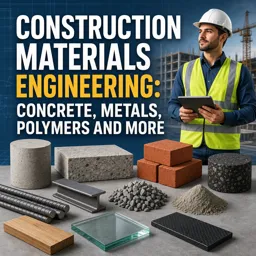
- Drywall Panels: Available in various thicknesses. Choose the right type (regular, moisture-resistant, fire-rated) based on the project.
- Joint Compound (Mud): Used to fill joints, cover screws, and create smooth surfaces.
- Drywall Tape: Usually paper or fiberglass mesh; bridges seams between sheets.
- Drywall Screws: Specialized screws designed to hold panels firmly to wood or metal studs.
- Corner Bead: Protects and shapes outside corners for a crisp, professional look.
- Primer and Paint: Essential for sealing and finishing the wall surface once installation is complete.
Tips for Selecting Quality Tools and Materials
- Invest in durable tools, as they yield better results and last longer.
- Opt for industry-standard materials suitable for your specific project, such as moisture-resistant panels in bathrooms.
- Purchase extra supplies to account for mistakes or miscalculations.
- Read product reviews and consult with experienced professionals for recommendations.
Conclusion
Gathering the proper tools and materials is the first step toward mastering drywall installation and finishing. By equipping yourself with the right knowledge and supplies, you set the stage for professional-quality results in every construction project.