Introduction to First Aid Skills
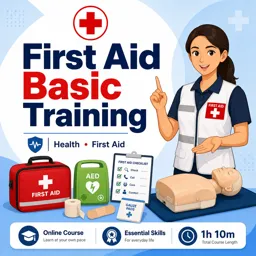
Emergencies can occur without warning, and having the right knowledge can make all the difference. Whether you’re at home, work, or traveling, being equipped with essential first aid skills is crucial. Our comprehensive First Aid courses are designed to prepare you for a variety of situations, ensuring you can provide effective assistance when it matters most.
Understanding Basic First Aid
First aid is the initial assistance given to a person suffering from an injury or illness. It involves a set of simple yet effective techniques that can save lives and prevent further harm before professional medical help arrives. Key components of basic first aid include assessing the scene for safety, calling emergency services, and providing support until help arrives.
Core First Aid Techniques
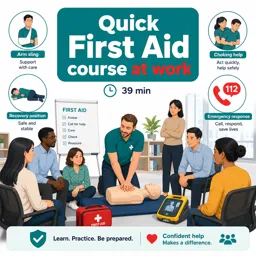
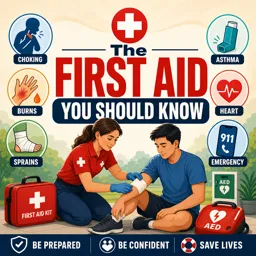
Learning first aid involves mastering several core techniques. Some of the fundamental skills include:
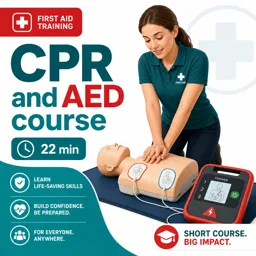
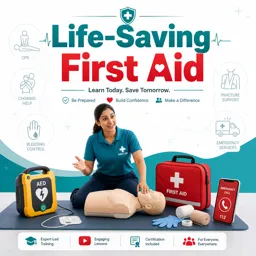
- CPR (Cardiopulmonary Resuscitation): A vital technique used in cases of cardiac arrest to maintain circulation and breathing.
- Choking Relief: Techniques such as the Heimlich maneuver are crucial for dislodging obstructions in airways.
- Bleeding Control: Knowing how to apply pressure and bandage wounds can prevent excessive blood loss.
- Treating Burns: Proper initial care for burns can minimize tissue damage and reduce pain.
- Handling Fractures: Immobilizing broken bones correctly prevents further injury and prepares the patient for hospital care.
Why Enroll in a First Aid Course?
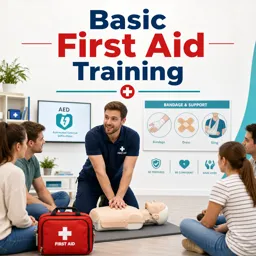
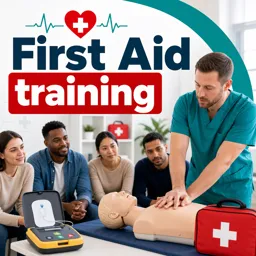
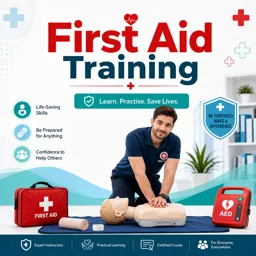
By enrolling in a First Aid course, you are not only learning life-saving techniques but also gaining the confidence to handle emergency situations effectively. Courses are tailored to provide a hands-on experience, allowing participants to practice these skills in a controlled environment.
Conclusion
Investing time in learning first aid is investing in the safety and well-being of yourself and others. With our comprehensive courses, you can ensure you are prepared to deal with emergencies, providing invaluable care during critical moments.