Fetch the file, convert the response to a Blob, create an object URL with URL.createObjectURL(), and assign that URL to the image element's src.

Duration of the online course: 4 hours and 36 minutes
New
Build real web apps with JavaScript data & APIs—fetch, charts, maps, Node.js and databases. Take this free course and level up your dev portfolio.
Turn JavaScript into a tool for building real, data-driven web experiences. In this free online course, you’ll learn how to request, transform, and present information from files, public services, and your own server so your projects feel alive and interactive instead of static. You’ll practice the essential workflow of modern web development: loading data, handling asynchronous responses, and using that data to power visual interfaces users can understand at a glance.
You’ll start by working in the browser with the Fetch API, getting comfortable retrieving different kinds of resources and converting responses into formats JavaScript can use. From there, you’ll move beyond console logs and make data meaningful through visuals—creating graphs with Chart.js and building maps with Leaflet to place information in a real-world context. You’ll also learn how to refresh results automatically on a schedule so your pages can update without constant manual reloads, a key technique for live dashboards and trackers.
As the course progresses, you’ll step into server-side development with Node.js and Express to understand why the back end matters even for JavaScript-first apps. You’ll handle POST requests, accept JSON safely, and store information so it persists. Using a database, you’ll be able to save and query entries, then send them back to the browser to display in a useful interface, including mapping records for an engaging user experience.
Practical details are treated like first-class skills: working from the terminal, combining responses from multiple APIs, and protecting sensitive credentials using environment variables. You’ll also see what it takes to bring a project online with deployment workflows, giving you a clearer path from learning code to publishing a functioning web application. By the end, you’ll have a stronger foundation in APIs, client–server architecture, and the habits that make web projects reliable, secure, and ready to share.

4 hours and 36 minutes of online video course

Digital certificate of course completion (Free)

Exercises to train your knowledge

100% free, from content to certificate
How do you display an image fetched with JavaScript's Fetch API?
Fetch the file, convert the response to a Blob, create an object URL with URL.createObjectURL(), and assign that URL to the image element's src.
Why use Node.js as a proxy for external APIs in a JavaScript web app?
A Node.js proxy can protect API keys, avoid client-side CORS limitations, and combine data from multiple external APIs before returning it to the browser.
How do you store API keys securely in a Node.js project?
Place keys in a .env file, load them with dotenv, access them through process.env, and exclude the .env file from Git commits.
Ready to get started?Download the app and get started today.
Install the app now
to access the course
Over 5,000 free courses
Programming, English, Digital Marketing and much more! Learn whatever you want, for free.

Study plan with AI
Our app's Artificial Intelligence can create a study schedule for the course you choose.

From zero to professional success
Improve your resume with our free Certificate and then use our Artificial Intelligence to find your dream job.
You can also use the QR Code or the links below.




Free CourseLaravel
5

(2)

4h04m

20 exercises
Free CourseProgressive Web Application PWA for Beginners
5
(5)
3h24m
15 exercises
Free CourseLearn Laravel in 30 Days: Beginner to Pro
5
(1)
17h00m
30 exercises
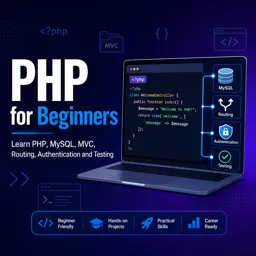
Free CoursePHP for Beginners: Learn PHP, MySQL, MVC, Routing, Authentication and Testing
5
(1)
10h45m
49 exercises
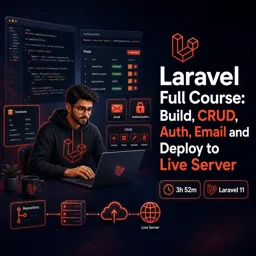
Free CourseLaravel Full Course: Build, CRUD, Auth, Email and Deploy to Live Server
5
(1)
3h52m
15 exercises
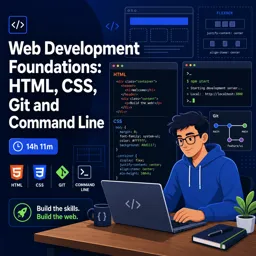
Free CourseWeb Development Foundations: HTML, CSS, Git and Command Line
5
(3)
14h11m
37 exercises
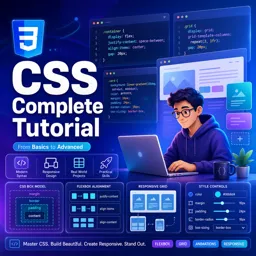
Free CourseCSS Complete Tutorial
5
(1)
8h30m
49 exercises
Free CoursePHP for Beginners: Learn PHP, MySQL and Login Systems
5
(3)
10h49m
29 exercises
Free CourseJavaScript for beginners
4.9
(27)
1h40m
2 exercises
Free CourseUmbraco CMS
4.9
(22)
6h21m
19 exercises
Carry knowledge in your pocket.
Download the Cursa app.
There are hundreds of free courses available, with a free certificate of completion that is saved in your mobile image gallery.
Download the app to access the Course Completion Certificate for Free.


+ 10 million
students

Free and Valid
Certificate

60 thousand free
exercises

4.8/5 rating in
app stores

Free courses in
video and ebooks