Duration of the online course: 16 hours and 13 minutes
4.8
(5)
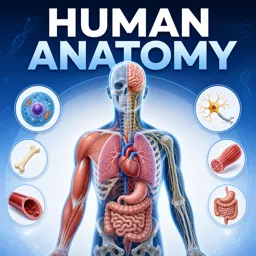
Master essential human anatomy for health studies with a free online course featuring quick videos, quizzes, and a certificate option to boost your skills.
In this free course, learn about
Anatomical terminology, body organization levels, and anatomical vs fundamental position
Cell structure and organelle functions (SER, Golgi, etc.) and key cellular concepts
Epithelial tissue types, locations, and functions (diffusion/transport/lining roles)
Connective, nervous, and muscle tissues: roles of fibroblasts and neuron structure
Integumentary system: skin layers, functions, and causes of skin color variation
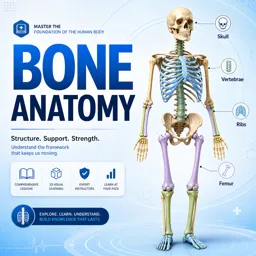
Bone tissue basics, calcium absorption needs, and bone count changes from infant to adult
Axial skeleton anatomy and key skull/facial bone facts (incl. sinuses)
Appendicular skeleton: girdles/limbs, clavicle connection, and pelvic girdle components
Joint types, complexity, common injuries (e.g., inversion ankle sprain structures)
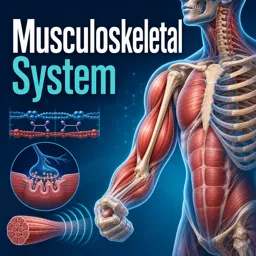
Muscle tissue microanatomy and function: sarcomere, tissue types, and major muscle actions
Nervous system organization: CNS/PNS, cranial nerves (smell), spinal tracts, and lesions
Special senses and ANS: ear balance structures, pain/smell/taste, parasympathetic functions
Lymphatic/immune plus digestion, respiration, urinary, and reproductive system core functions
About the free online course
Build a solid, practical understanding of how the human body is organized and how its major systems work together. This free online Human Anatomy course guides you from core foundations like anatomical position, cells, and tissues to the structure and function of bones, joints, muscles, nerves, and organs. Instead of memorizing isolated facts, you will connect concepts across levels of organization, strengthening the kind of anatomical reasoning used in health programs and clinical settings.
As you progress, you will develop the vocabulary and mental maps that make anatomy easier to learn and apply: how tissues are built to perform specific jobs, why the skin protects and regulates, and how the skeleton supports movement while safeguarding vital organs. You will also link structure to real outcomes by exploring how common patterns of injury and dysfunction relate to joints, nerves, and muscle function, making the material relevant for everyday practice and exam preparation.
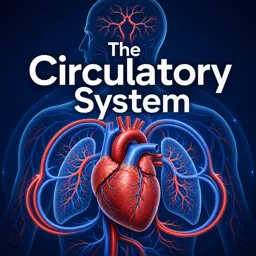
The course also expands your systems-level view, helping you follow how the nervous and endocrine systems coordinate signals, how blood and the heart sustain circulation, and how lymphatic and immune defenses protect the body. You will trace the essentials of digestion, respiration, urinary function, and reproduction, gaining a clear picture of how balance is maintained across different environments and life stages.
Short video lessons paired with targeted questions help you check understanding immediately, reinforce key mechanisms, and correct misconceptions before they become habits. By the end, you will feel more confident reading anatomy diagrams, using correct terminology, and explaining how body structures support function, whether you are preparing for a healthcare pathway, supporting related studies, or simply learning for personal interest.
Course content
Video class: Introduction to Anatomy Part120m
Exercise: What is the smallest cell in the human body?
Video class: Ch1Human Organization Part221m
Exercise: What is the key difference between the anatomical position and fundamental position?
Video class: The Cell Part 121m
Exercise: Which of the following structures is responsible for the synthesis of lipids and detoxification within the cell?
Video class: The Cell Part 225m
Exercise: What is a key function of the Golgi apparatus in cells?
Video class: Human Anatomy Epithelial Tissues Ch 4 Part 115m
Exercise: Which of the following tissues is typically found in the air sacs of lungs, kidney tubules, and the inner lining of the stomach and intestines where it allows for rapid diffusion or transport of substances?
Video class: Human Anatomy Connective Tissue Ch 4 Part 214m
Exercise: What is the main function of fibroblasts in connective tissue?
Video class: Human Anatomy Nervous and Muscle Tissue Ch 4 Part 314m
Exercise: Which of the following parts of a neuron is responsible for receiving incoming signals?
Video class: Human Anatomy The Integumentary System Ch 5 Part 121m
Exercise: What is one of the primary functions of the skin?
Video class: Human Anatomy The Skin Ch 5 Part 221m
Exercise: What is the primary reason for the variations in human skin color across different geographic regions?
Video class: Human Anatomy Chapter 6 Bone Tissue P119m
Exercise: How many bones are babies born with, and how many do adults typically have?
Video class: Human Anatomy Chapter 6 Bone Tissue Part 223m
Exercise: Which of the following components is essential for the intestinal absorption of calcium?
Video class: Human Anatomy Ch 7 Axial Skeleton P120m
Exercise: How many bones are in the adult human body?
Video class: Human Anatomy Ch 7 Axial Skeleton P223m
Exercise: Which of the following bones is the only facial bone that contains a sinus?
Video class: Human Anatomy Ch 8 Appendicular Skeleton UE, P115m
Exercise: Which bone is the sole true connection between the upper limb and the axial skeleton?
Video class: Human Anatomy Chapter 8 Appendicular LE, P216m
Exercise: Which of the following bones is NOT part of the pelvic girdle?
Video class: Human Anatomy Ch9 P1 Joints17m
Exercise: Which type of joint is most structurally complex and prone to dysfunction?
Video class: Human Anatomy Ch9 P2 Joints18m
Exercise: Which anatomical structure is most commonly injured during an inversion ankle sprain?
Video class: Human Anatomy Chapter 10 Muscle Tissue20m
Exercise: What is the functional unit of skeletal muscle fiber?
Video class: Human Anatomy Ch10 Muscle Tissue P220m
Exercise: Which muscle tissue is striated and features intercalated discs?
Video class: Human Anatomy, Chapter 11, P127m
Exercise: What is the role of skeletal muscles in the body?
Video class: Human Anatomy Chapter 11 P2 Muscles of Trunk and UE20m
Exercise: What is the name of the nerve that innervates the serratus anterior muscle and what is one of its primary functions?
Video class: Human Anatomy Chapter 11 P3 Forearm09m
Video class: Human Anatomy Ch11 P4 Muscles of the Hip and Thigh21m
Exercise: Which muscle of the lower extremity is responsible for extending the hip, abducting the thigh, and elevating the trunk from stooping?
Video class: Human Anatomy Ch11 P5 Leg and Ankle12m
Video class: Human Anatomy Chapter 12 Nervous Tissue P115m
Exercise: Which of the following structures is part of the central nervous system (CNS)?
Video class: Human Anatomy Chapter 12 Nervous Tissue P220m
Video class: Human Anatomy Chapter 13 The Nervous System P117m
Exercise: What condition can result from a lack of folic acid intake during pregnancy, leading to a failure of the vertebrae to properly enclose the spinal cord?
Video class: Human Anatomy Ch13 Nervous System Parts P219m
Video class: Human Anatomy Ch13 Spinal Cord and Cranial Nerves18m
Exercise: Which cranial nerve is responsible for the sensation of smell?
Video class: Human Anatomy Ch 14 Pain, Smell and Taste P116m
Video class: Human Anatomy Chapter 14 The Ear and Eye23m
Exercise: Which of the following structures of the ear are responsible for balancing and equilibrium?
Video class: Human Anatomy Ch14 Spinal Tracts and Lesions15m
Video class: Human Anatomy Ch 15 Autonomic Nervous System P120m
Exercise: Which function is predominantly controlled by the parasympathetic division of the autonomic nervous system?
Video class: Human Anatomy Ch 15 Dreams11m
Video class: Human Anatomy Ch 17 Endocrine System P119m
Exercise: Which of the following hormones is secreted by the adrenal medulla?
Video class: Human Anatomy Ch17 Endocrine System Hormones P215m
Video class: Human Anatomy Ch18 The BloodP120m
Exercise: Which of the following cell types is most commonly associated with an elevated count in response to allergic reactions and parasitic infections?
Video class: Human Anatomy Ch18 P2 Blood Type10m
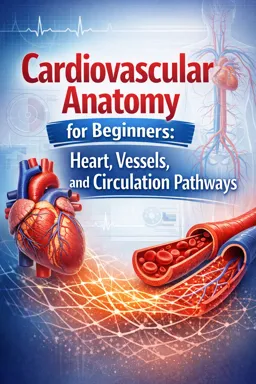
Video class: Human Anatomy Ch 19 The Heart P119m
Exercise: Which chamber of the heart is responsible for pumping oxygenated blood to the systemic circuit?
Video class: Human Anatomy Ch19 The Heart P217m
Video class: Human Anatomy Ch 20 Blood Vessels and Circulation P118m
Exercise: Which of the following blood vessels carries oxygenated blood?
Video class: Human Anatomy Ch 20 Blood Vessels and Circulation P214m
Video class: Human Anatomy Ch 21 Lymphatic System P123m
Exercise: Which of the following is a component of the lymphatic system?
Video class: Human Anatomy Ch21 P2 Immune System24m
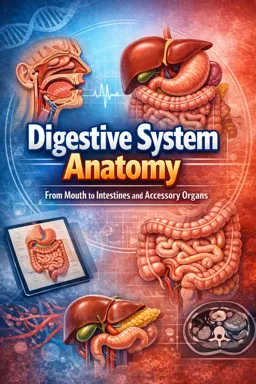
Video class: Human Anatomy Ch 23 The Digestive System P120m
Exercise: Which of the following is NOT an accessory organ of the digestive system?
Video class: Human Anatomy Ch23 Digestive System P225m
Video class: Human Anatomy Ch22 P1 Respiratory System23m
Exercise: Which of the following statements is INCORRECT about the respiratory system?
Video class: Human Anatomy Ch 22 P2 Respiratory Pathology15m
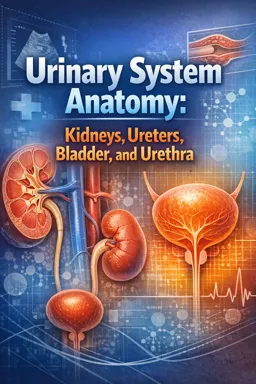
Video class: Human Anatomy Ch 25 Urinary System P116m
Exercise: Which of the following is NOT a function of the kidneys?
Video class: Human Anatomy Ch25 Urinary System P219m
Video class: Human Anatomy CH27 Reproductive System27m
Exercise: Which of the following statements about the human reproductive system is correct?
This free course includes:
16 hours and 13 minutes of online video course
Digital certificate of course completion (Free)
Exercises to train your knowledge
100% free, from content to certificate
What body systems are covered in this free Human Anatomy course?
The course covers cells and tissues, skeletal and muscular systems, nervous and endocrine systems, blood and circulation, digestion, respiration, urinary function, immunity, and reproduction.
How many bones are in the adult human body, and why do babies have more?
Most adults have 206 bones. Babies are born with about 270 bones, many of which fuse together during growth.
What is the difference between the axial skeleton and appendicular skeleton?
The axial skeleton includes the skull, vertebral column, and rib cage, while the appendicular skeleton includes the limbs, shoulders, and pelvic girdle.
Ready to get started?Download the app and get started today.













Course comments: Human Anatomy
Taha Gamil Baghaffar
Some of pictures aren't clear
Resalyn C. Colomer
Great course. I love it.