The course covers major systems including urinary, digestive, endocrine, nervous, lymphatic, reproductive, muscular, integumentary, circulatory, and sensory systems.

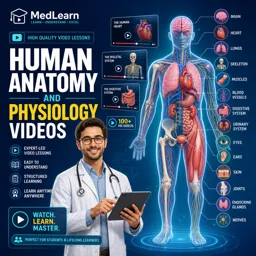
Duration of the online course: 18 hours and 47 minutes
4.8

(119)
Build real anatomy & physiology skills with a free online course—videos + quick exercises to boost exam prep, confidence, and healthcare readiness.
Strengthen your understanding of how the human body is built and how it works with this free online course in anatomy and physiology. Designed for learners who want clear explanations without the overwhelm, it uses short, focused video lessons paired with quick check-in exercises to help you remember core concepts and apply them with confidence. Whether you are preparing for exams, returning to study after a break, or exploring health careers, you will build a solid foundation that supports further learning.
Across multiple body systems, you will connect structures to functions and learn the language used in health and science settings. You will explore key ideas behind the urinary and digestive systems, endocrine regulation, metabolism and nutrition, and the essentials of blood, blood vessels, tissues, and joints. You will also deepen your understanding of sensory anatomy through vision and hearing, and see how protective features like skin and its associated structures contribute to overall homeostasis. The course also addresses fetal development and reproductive anatomy, helping you understand major milestones and the purpose of different organs without confusing terminology.
The lessons are built to make complex topics easier to follow: each video reinforces the big picture, while the short exercises help you practice recalling definitions, functions, and distinctions that commonly appear in quizzes and entry-level healthcare training. By the end, you should be able to explain major systems in a simple, organized way, recognize important anatomical terms, and describe how the nervous system and muscular system contribute to movement and control. You will come away with a practical framework you can use in further study, clinical conversations, or personal understanding of health.

18 hours and 47 minutes of online video course

Digital certificate of course completion (Free)

Exercises to train your knowledge

100% free, from content to certificate
What anatomy and physiology systems are covered in these videos?
The course covers major systems including urinary, digestive, endocrine, nervous, lymphatic, reproductive, muscular, integumentary, circulatory, and sensory systems.
What is the difference between anatomy and physiology?
Anatomy studies body structures, while physiology explains how those structures function.
Which types of blood vessels are explained in anatomy and physiology?
The videos explain arteries, veins, and capillaries, including their roles in blood circulation.
Ready to get started?Download the app and get started today.
Install the app now
to access the course
Over 5,000 free courses
Programming, English, Digital Marketing and much more! Learn whatever you want, for free.

Study plan with AI
Our app's Artificial Intelligence can create a study schedule for the course you choose.

From zero to professional success
Improve your resume with our free Certificate and then use our Artificial Intelligence to find your dream job.
You can also use the QR Code or the links below.



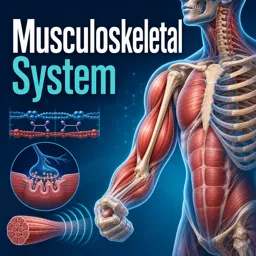
Free CourseMusculoskeletal System
5
(1)

7h01m

12 exercises
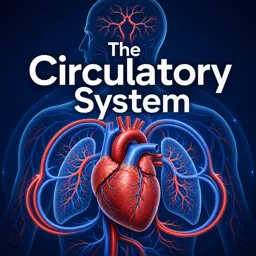
Free CourseThe Circulatory System
5
(3)
5h08m
19 exercises
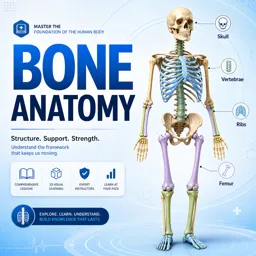
Free CourseBone Anatomy
5
(3)
1h37m
21 exercises

Free CourseMuscle Anatomy
5
(2)
1h05m
6 exercises
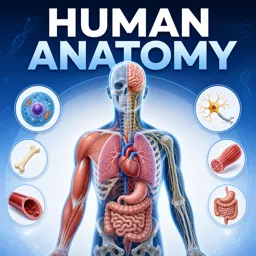
Free CourseHuman Anatomy
4.9
(7)
16h13m
36 exercises
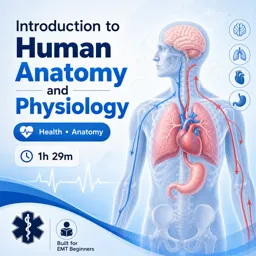
Free CourseIntroduction to human anatomy and physiology
4.8
(14)
1h29m
10 exercises
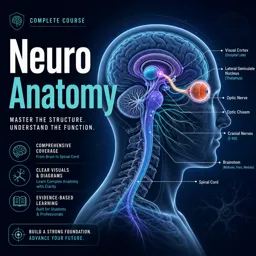
Free CourseNeuro Anatomy
4.5

(6)
6h09m
16 exercises
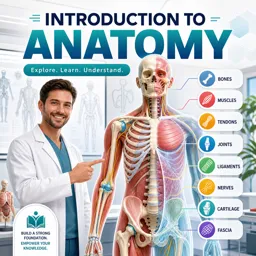
Free CourseIntroduction to Anatomy
4.2
(5)
36m
6 exercises
Free CourseAnatomy for Dentists
4
(4)
5h30m
45 exercises
Free CourseNeuro Anatomy
3
(4)
1h47m
54 exercises
Carry knowledge in your pocket.
Download the Cursa app.
There are hundreds of free courses available, with a free certificate of completion that is saved in your mobile image gallery.
Download the app to access the Course Completion Certificate for Free.


+ 10 million
students

Free and Valid
Certificate

60 thousand free
exercises

4.8/5 rating in
app stores

Free courses in
video and ebooks
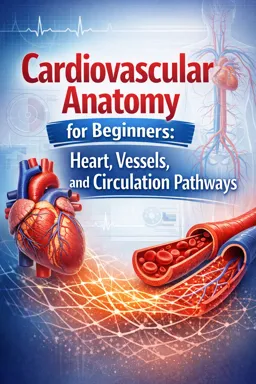
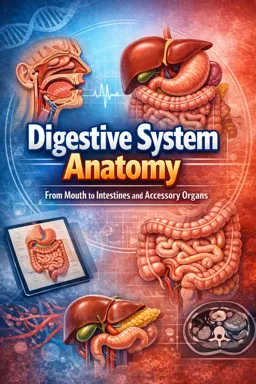
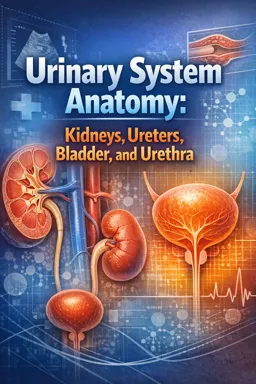
Course comments: Human anatomy and physiology videos
Students found the free course interesting, educational, and excellent, with several calling it the best course ever. One student noted that the video was too small to view comfortably and required zooming.
Kristy
Very interesting and educational.
Raj Lama
Best course ever.
Saleh Al Bokhitan
good
Saleh Al Bokhitan
good
Saleh Al Bokhitan
good
Saleh Al Bokhitan
good
Stavros Constantinou
It was a great course, but I had difficulty seeing the video as it was too small, so I increased the size by zooming out. Now I know what to do...!