
Exercises
Challenge your understanding of essential Scrum artifacts in this quiz. Explore the Product Backlog, Sprint Backlog, and Increment, along with the Definition of Done and their roles in Sprint Planning. Questions cover who maintains the Product Backlog, what information Product Backlog items contain, how the Sprint Backlog supports the Sprint Goal, and when an Increment is considered Done. Ideal for Scrum learners, Agile team members, Product Owners, Developers, and anyone preparing for Scrum certification.
Answer the questions below and check the explanation for each answer.
0/7 answered
Auto audio on: the next questions will be read aloud when you click Continue.
The Sprint Backlog is the Scrum artifact that provides a list of work the Development Team identifies as necessary to satisfy the Sprint Goal. It is a subset of the Product Backlog, selected for the current Sprint and augmented with a plan for delivering the product Increment and realizing the Sprint Goal.
The primary purpose of the Product Backlog is to record all product requirements and track their progress. It serves as a prioritized list of features, enhancements, and bug fixes that are needed for the product. It is constantly refined and updated to reflect the product needs and priorities, enabling the Scrum team to maintain focus on delivering value to stakeholders.
The Product Owner is responsible for maintaining and managing the Product Backlog. The Product Owner ensures that the backlog is transparent, clear, and aligned with the project's goals. They prioritize items and make decisions regarding what should be developed next, based on stakeholder feedback and market conditions.
An Increment is considered Done when it meets the Scrum Team’s definition of Done. The Definition of Done is a shared understanding among the Scrum Team and ensures that there is transparency in what is considered complete. It is not confined only to passing tests or Product Owner approval; it involves meeting a set of conditions agreed by the team.
The Sprint Backlog is a live document that evolves as the team works through the Sprint. It is intended to reflect the current state of work and the remaining tasks required to achieve the Sprint Goal. Unlike a fixed list, it is continuously updated to incorporate the team’s learning and adjustments, making Option 2 the best choice.
A Product Backlog item typically includes a Description, which outlines what needs to be done, Priority, which determines the order of implementation, and Acceptance Criteria, which specifies conditions for the item to be accepted as complete. These elements are essential for understanding the scope and requirements of each backlog item. Option 1 best aligns with these necessary components.
The Product Backlog is the artifact that acts as an input to the Sprint Planning meeting. It contains all the desired work for the product, prioritized by the Product Owner. During Sprint Planning, the team determines which items from the Product Backlog they will work on during the upcoming Sprint, forming the Sprint Backlog.

Free CourseProject Management Second Edition
5

(4)

18h17m

41 exercises

Free CourseAgile and Scrum
5
(14)
2h50m
4 exercises

Free CourseProject Management for managers
4.8
(6)
31h38m
32 exercises

Free CourseTime Management
4.8

(12)
2h16m
3 exercises

Free CourseProject Management Course
4.7
(24)
4h14m
20 exercises

Free CourseScrum Master course
4.7
(6)
3h28m
9 exercises

Free CourseProject Management course
4.6
(7)
10h06m
47 exercises

Free CourseProject management tutorial
4.5
(50)
15h48m
22 exercises
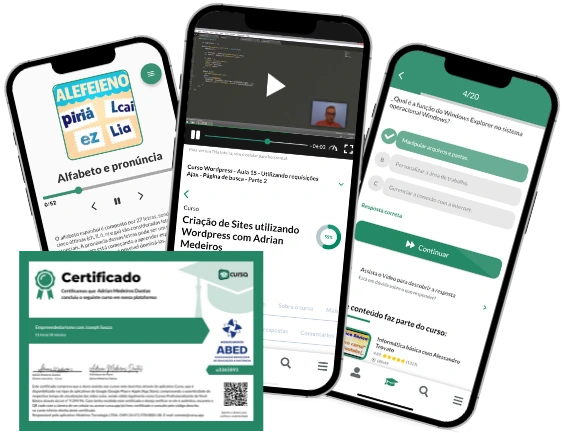
Thousands of online courses in video, ebooks and audiobooks.
To test your knowledge during online courses
Generated directly from your cell phone's photo gallery and sent to your email

Download our app via QR Code or the links below:.


Carry knowledge in your pocket.
Download the Cursa app.
There are hundreds of free courses available, with a free certificate of completion that is saved in your mobile image gallery.
Download the app to access the Course Completion Certificate for Free.


+ 10 million
students

Free and Valid
Certificate

60 thousand free
exercises

4.8/5 rating in
app stores

Free courses in
video and ebooks