
Exercises
Explore the strategies that shape modern political campaigns with this quiz on communication, digital platforms, battleground-state spending, voter targeting, campaign finance, and grassroots organizing. Test your understanding of key concepts such as microtargeting, opposition research, PACs, positive candidate messaging, demographic outreach, and misinformation tactics. Ideal for students and anyone interested in how candidates build support, communicate with voters, and compete in today’s political environment.
Answer the questions below and check the explanation for each answer.
0/10 answered
Auto audio on: the next questions will be read aloud when you click Continue.
The primary goal of a political campaign's communication strategy is to influence public opinion. Campaigns aim to persuade voters to support their candidate through strategic messaging, advertising, and media engagement, ensuring that the candidate's policies and qualities are favorably presented to the electorate.
Social media has become the most vital platform for modern political campaign strategies. It allows candidates and parties to reach a large audience quickly and engage directly with voters. Social media platforms offer targeted advertising and real-time interaction, making them essential tools for influencing public opinion and mobilizing support.
The term Pivot targeting is often used to describe the strategy where candidates concentrate their efforts and resources in battleground states. These are states where the outcome of an election is uncertain, and gaining an edge can significantly impact the overall results.
Market segmentation best describes the practice of tailoring campaign messages to specific demographic groups. This involves dividing a broad target market into subsets of consumers who have common needs and priorities and then designing and implementing strategies to target them.
The primary purpose of opposition research is to identify weaknesses in opposing candidates. This involves gathering information that can be used to challenge or undermine the credibility of opponents during a political campaign. By highlighting an opponent's vulnerabilities, a campaign can strategically use this information to sway public opinion and gain a competitive advantage.
Positive campaigning is a tactic used to constructively promote a candidate's image and policies, highlighting accomplishments, strengths, and desirable qualities. In contrast to negative campaigning, which focuses on criticizing opponents, positive campaigning emphasizes optimism and the benefits the candidate brings to the electorate.
PAC stands for Political Action Committee. These are organizations established by businesses, labor unions, or other interest groups to raise and spend money to elect or defeat political candidates. They play a crucial role in campaign finance by channeling contributions from members to support specific political agendas.
Canvassing is a common grassroots campaign tactic. It involves volunteers going door-to-door or speaking directly with people in public places to engage them in conversations about a candidate or issue. This direct, personal approach is characteristic of grassroots efforts, which often rely on community-driven methods to gather support.
Microtargeting is used in political campaigns to address small, specific groups of voters by tailoring messages to their unique interests and preferences. This technique involves collecting and analyzing data on voters to understand their behavior and values, allowing campaigns to send personalized messages that are more likely to influence their decisions.
Disinformation is the intentional dissemination of false information aimed at misleading people or causing harm, often used to damage a political opponent's reputation. It involves the deliberate creation and sharing of false or misleading information, as opposed to Slander, which is spoken, and Libel, which is written, both related to defamatory statements but not necessarily false or intentional.

Free CourseEssentials of Global Health
5

(3)

11h16m

27 exercises
Free CourseIntroduction to Public Relations
5
(8)
7h51m
11 exercises
Free CoursePolitical Complexity
5
(52)
6h54m
19 exercises
Free CourseIntroduction to Enviromental Policy and Planning
4.7

(3)
1h52m
17 exercises
Free CourseInternational Relations
4.4
(8)
12h00m
54 exercises
Free CoursePower and politics
4.4
(20)
31h33m
22 exercises
Free CourseIntro to Political Science
4
(4)
1h51m
11 exercises
Free CoursePolitical Science
3.5
(4)
21h28m
18 exercises
Thousands of online courses in video, ebooks and audiobooks.
To test your knowledge during online courses
Generated directly from your cell phone's photo gallery and sent to your email

Download our app via QR Code or the links below:.


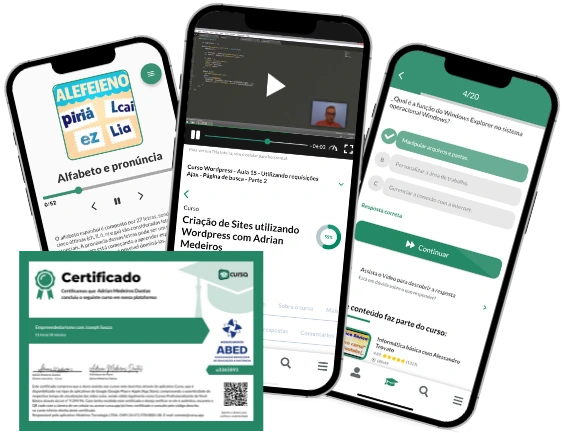
Carry knowledge in your pocket.
Download the Cursa app.
There are hundreds of free courses available, with a free certificate of completion that is saved in your mobile image gallery.
Download the app to access the Course Completion Certificate for Free.


+ 10 million
students

Free and Valid
Certificate

60 thousand free
exercises

4.8/5 rating in
app stores

Free courses in
video and ebooks