
Exercises
Explore how the human body maintains core temperature despite changes in environmental conditions and metabolic heat production. This quiz covers hypothalamic control, thermoreceptors, heat-transfer mechanisms, sweating, skin blood flow, shivering, brown adipose tissue, fever, hyperthermia, acclimatization, and circadian temperature rhythms. The questions combine foundational concepts with practical physiological applications.
Answer the questions below and check the explanation for each answer.
0/12 answered
Auto audio on: the next questions will be read aloud when you click Continue.
The preoptic area of the anterior hypothalamus integrates central and peripheral thermal signals and coordinates responses such as sweating, shivering, and changes in skin blood flow.
Inflammatory cytokines promote the production of prostaglandin E2, which acts in the hypothalamus to raise the regulated temperature set point and produce fever.
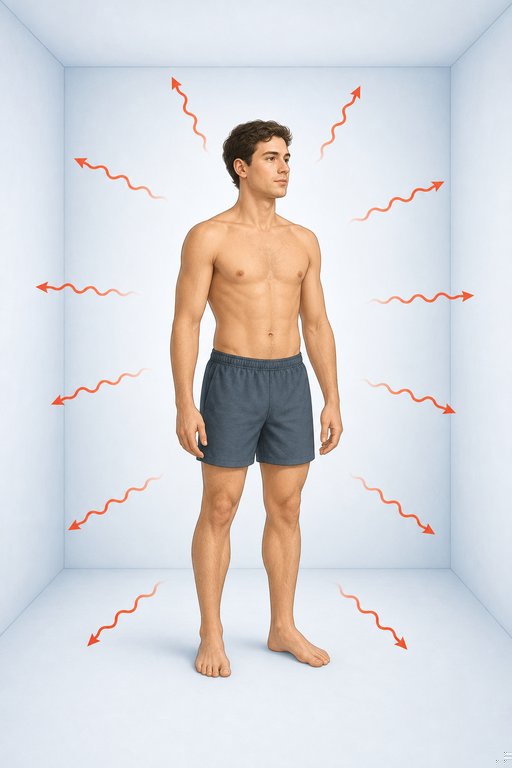
Radiation transfers heat by infrared electromagnetic waves and does not require direct contact. At comfortable room temperatures, it is an important route of heat loss.
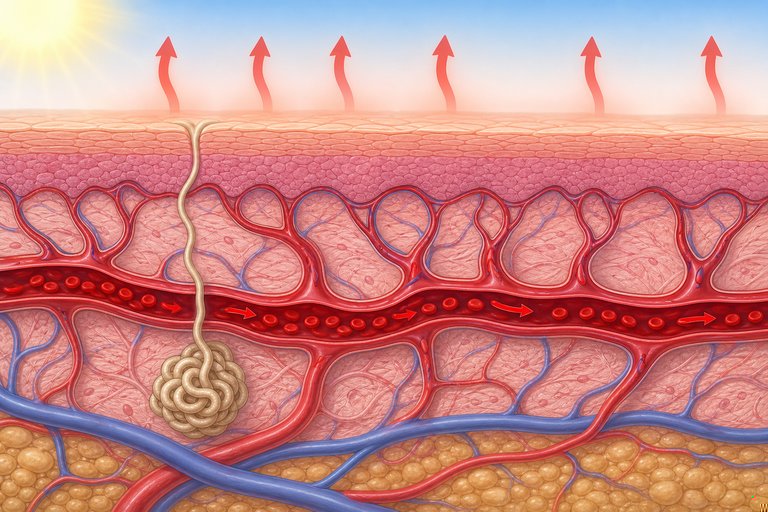
Cutaneous vasodilation increases warm blood flow near the body surface, facilitating heat transfer from the blood to the environment.
Sweating removes heat only when sweat evaporates. High humidity reduces the vapor-pressure gradient between the skin and air, so more sweat drips away without providing effective cooling.
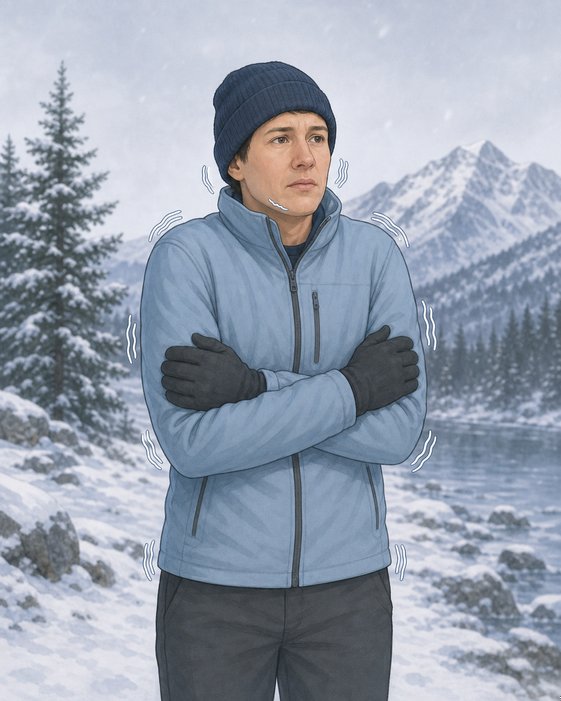
Shivering consists of involuntary skeletal muscle contractions that increase ATP use and metabolic heat production, helping defend core temperature during cold exposure.
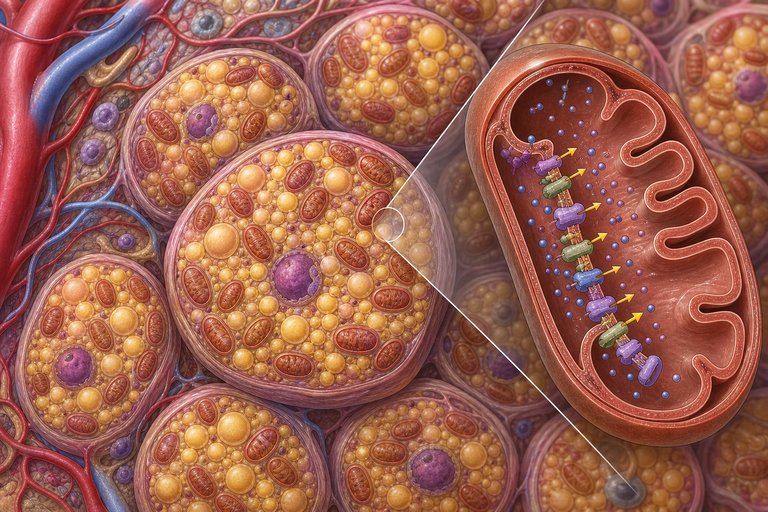
Uncoupling protein 1, also called thermogenin, allows protons to re-enter the mitochondrial matrix without producing ATP. The stored energy is released as heat.
Heat acclimatization increases aldosterone-mediated sodium reabsorption in sweat ducts. Sweat becomes more dilute, which helps conserve body sodium despite increased sweating.
Cutaneous vasoconstriction decreases blood flow near the body surface. This limits heat transfer from the warm core to the cooler skin and therefore reduces environmental heat loss.
Antipyretics inhibit prostaglandin synthesis and lower the elevated set point of fever. In hyperthermia, temperature rises without a set-point increase, so cooling and treating the cause are essential.
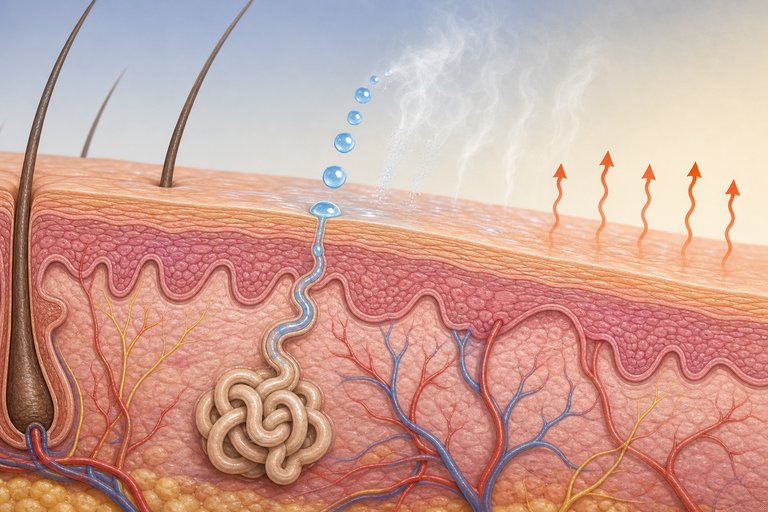
Evaporation requires energy to convert liquid water into vapor. That energy is taken from the skin as heat, producing a cooling effect.
Core temperature follows a circadian rhythm. It is generally lowest in the early morning before waking and highest during the late afternoon or early evening.
Free CourseHuman Physiology Lecture
5

(4)

52h21m

50 exercises

Free CourseNeuro Physiology
5
(2)
6h38m
19 exercises
Free CourseCardiovascular Physiology
5
(2)
9h02m
16 exercises

Free CourseAnatomy and Physiology
4.8
(5)
15h19m
24 exercises
Free CourseGastrointestinal Physiology
4
(1)
13h16m
18 exercises
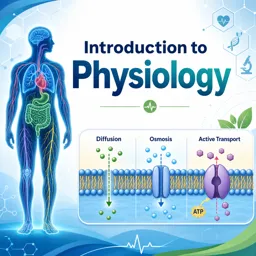
Free CourseIntroduction to Physiology
3
(1)
52m
6 exercises
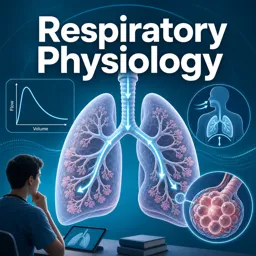
Free CourseRespiratory Physiology
New
9h24m
19 exercises
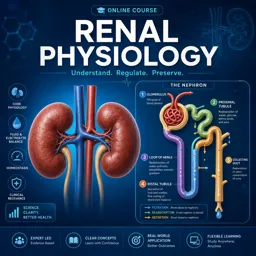
Free CourseRenal Physiology
New
5h04m
9 exercises
Thousands of online courses in video, ebooks and audiobooks.
To test your knowledge during online courses
Generated directly from your cell phone's photo gallery and sent to your email

Download our app via QR Code or the links below:.



Carry knowledge in your pocket.
Download the Cursa app.
There are hundreds of free courses available, with a free certificate of completion that is saved in your mobile image gallery.
Download the app to access the Course Completion Certificate for Free.


+ 10 million
students

Free and Valid
Certificate

60 thousand free
exercises

4.8/5 rating in
app stores

Free courses in
video and ebooks