
Exercises
Build confidence in essential healthcare concepts with this general healthcare knowledge simulation assessment. Explore core topics in human anatomy and physiology, including the roles of red and white blood cells, blood clotting, normal body temperature, the skeletal system, digestion, kidney function, liver detoxification, hormones, and joint movement. This quiz is ideal for students, aspiring healthcare professionals, and anyone who wants to review foundational medical science knowledge. Answer questions on body systems and their functions, then use your results to identify areas for further study.
Answer the questions below and check the explanation for each answer.
0/10 answered
Auto audio on: the next questions will be read aloud when you click Continue.
The primary function of red blood cells is to transport oxygen from the lungs to the rest of the body and carry carbon dioxide back to the lungs for exhalation.
Vitamin K is crucial for the synthesis of proteins that help blood to clot, preventing excessive bleeding.
The typical normal body temperature range for humans is between 36.1°C and 37.2°C. Variations can occur due to factors such as time of day and individual metabolic rate.
An adult human body consists of 206 bones. This number can be higher in children due to growth plates that eventually fuse together.
The small intestine is where most nutrient absorption occurs. The inner walls are lined with villi, which increase the surface area for absorption.
White blood cells are essential components of the immune system and are responsible for fighting infections and protecting the body against foreign invaders.
The liver plays a crucial role in detoxifying chemicals, metabolizing drugs, and excreting both endogenous and exogenous substances.
Thyroid hormones, primarily thyroxine (T4) and triiodothyronine (T3), play critical roles in regulating metabolism, energy levels, and overall hormonal balance.
The nephron is the basic structural and functional unit of the kidney, crucial for filtering blood, reabsorbing essential substances, and excreting waste.
The shoulder joint is a ball and socket joint, which allows for a wide range of movement in multiple directions.
Free CourseOphthalmology
5

(7)

4h22m

15 exercises
Free CourseNeurosurgery training
5
(2)
9h15m
13 exercises
Free CourseCadiology training
5
(5)
8h18m
14 exercises
Free CourseCongenital Heart Disease Echocardiography
5
(1)
21h23m
22 exercises
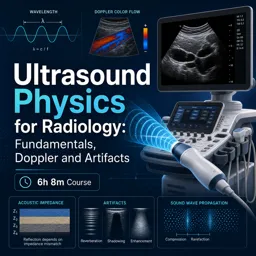
Free CourseUltrasound Physics for Radiology: Fundamentals, Doppler and Artifacts
5
(2)
6h08m
24 exercises

Free CourseMicrobiology
4.7

(11)
8h26m
7 exercises
Free CourseNeuro Pathology
4.7
(3)
16h55m
18 exercises
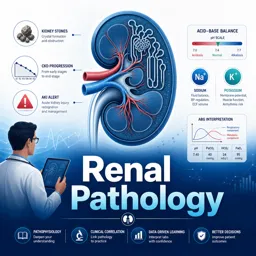
Free CourseRenal Pathology
4.5
(2)
14h06m
11 exercises
Thousands of online courses in video, ebooks and audiobooks.
To test your knowledge during online courses
Generated directly from your cell phone's photo gallery and sent to your email

Download our app via QR Code or the links below:.



Carry knowledge in your pocket.
Download the Cursa app.
There are hundreds of free courses available, with a free certificate of completion that is saved in your mobile image gallery.
Download the app to access the Course Completion Certificate for Free.


+ 10 million
students

Free and Valid
Certificate

60 thousand free
exercises

4.8/5 rating in
app stores

Free courses in
video and ebooks