
Exercises
This quiz assesses practical knowledge of pressure injury prevention and management. Topics include recognized stages, deep tissue pressure injury, risk assessment, repositioning, heel offloading, moisture control, support surfaces, nutrition, wound documentation, medical device-related injuries, and signs requiring urgent escalation. Questions range from foundational concepts to clinical scenarios and visual interpretation.
Answer the questions below and check the explanation for each answer.
0/18 answered
Auto audio on: the next questions will be read aloud when you click Continue.
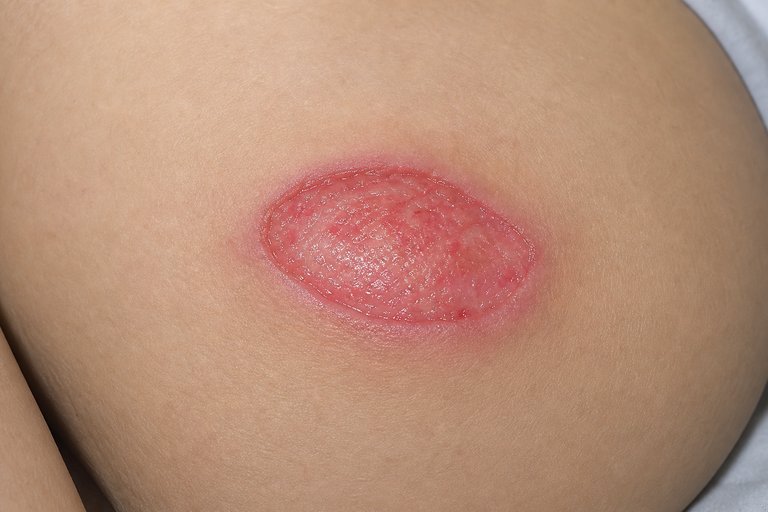
A Stage 2 pressure injury involves partial-thickness skin loss with exposed dermis. The wound bed is viable and pink or red, without slough, eschar, granulation tissue, or exposed fat.
The injury is unstageable because slough or eschar obscures the wound base. A definitive Stage 3 or Stage 4 classification cannot be made until enough material is removed to reveal the depth.
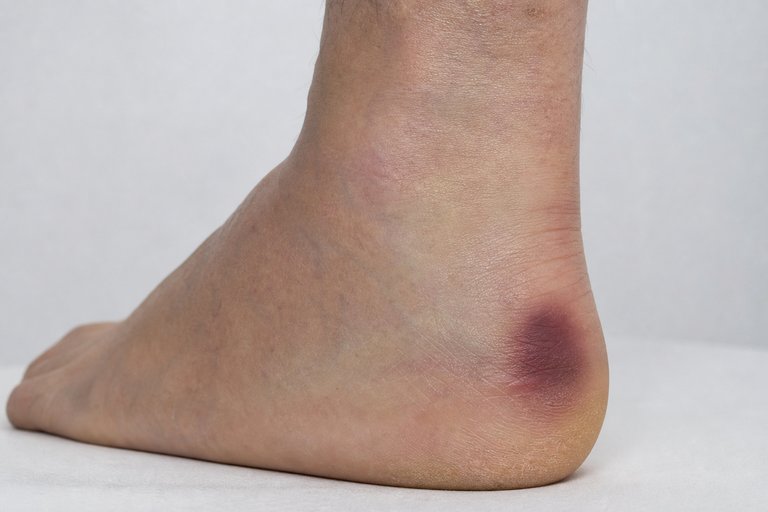
Persistent deep red, maroon, or purple discoloration can indicate a deep tissue pressure injury. Damage may exist beneath intact skin and can evolve rapidly despite appropriate treatment.

Shear occurs when the skeleton moves while the skin remains relatively fixed against a surface. Sliding down in bed can distort and damage blood vessels and deeper tissues.
The Braden Scale evaluates sensory perception, moisture, activity, mobility, nutrition, and friction or shear. A lower total score generally indicates greater pressure injury risk.
Repositioning frequency should be individualized. Clinicians consider mobility, tissue tolerance, skin findings, comfort, medical condition, and the support surface rather than applying one interval to every patient.
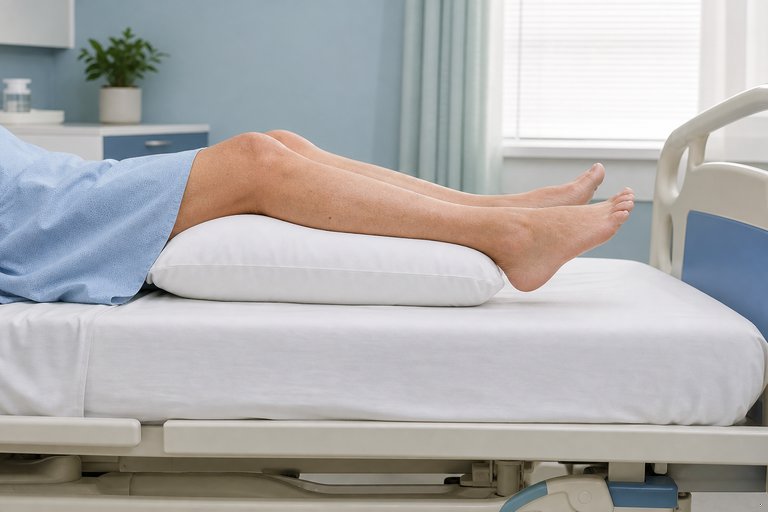
Heel offloading should distribute support along the calves while keeping the heels completely free of the bed. Ring-shaped devices can create concentrated pressure and are generally avoided.
Prompt gentle cleansing, careful drying, and a moisture barrier reduce exposure to irritants and excessive moisture. Vigorous friction can damage the skin and increase vulnerability.
Poor intake and weight loss warrant nutrition screening and referral for comprehensive assessment. Energy, protein, fluid, and micronutrient needs should be addressed through an individualized care plan.
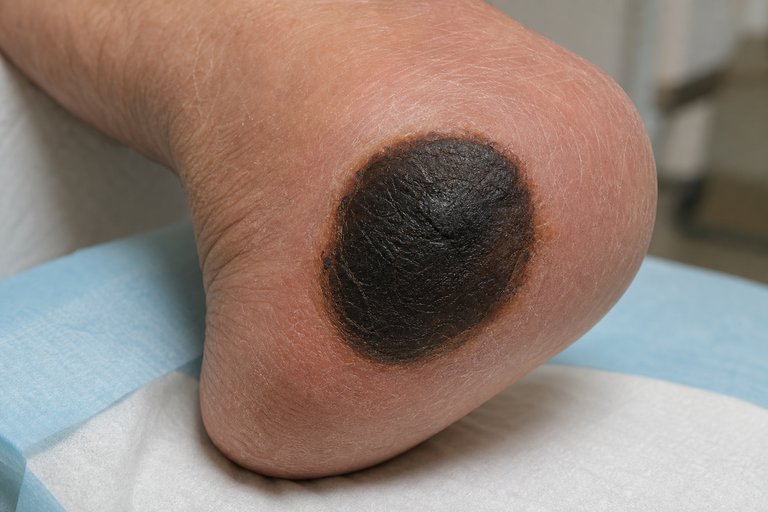
Stable heel eschar that is dry, adherent, and free of inflammation or drainage may serve as a natural cover and generally should not be removed. The heel should be offloaded and monitored, with perfusion and clinical changes assessed.
Increasing pain, warmth, purulent drainage, and spreading erythema are concerning for infection. Additional findings may include malodor, delayed healing, friable tissue, fever, or systemic deterioration.
Consistent documentation should include anatomical location, classification, measured dimensions, wound-bed tissue, drainage, edges, surrounding skin, pain, and relevant undermining or tunneling. This supports reliable comparison.
A suitable support surface redistributes pressure and may reduce shear or heat accumulation. It remains one part of a broader plan that includes skin inspection, repositioning, nutrition, moisture management, and mobility support.
Mucosal pressure injuries are not assigned numerical stages because the anatomy of mucous membranes differs from skin and the staging system cannot be applied accurately.
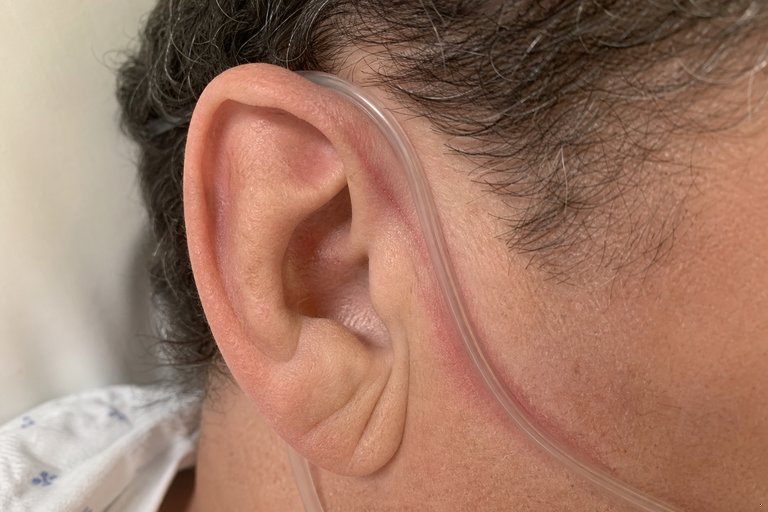
A medical device-related pressure injury often conforms to the shape of the device. When it affects skin, it is classified with the standard staging system; mucosal injuries are not numerically staged.
Temporary paling under pressure indicates blanchable erythema. Stage 1 pressure injury is defined by localized non-blanchable erythema of intact skin, although blanchable redness still warrants prevention and monitoring.
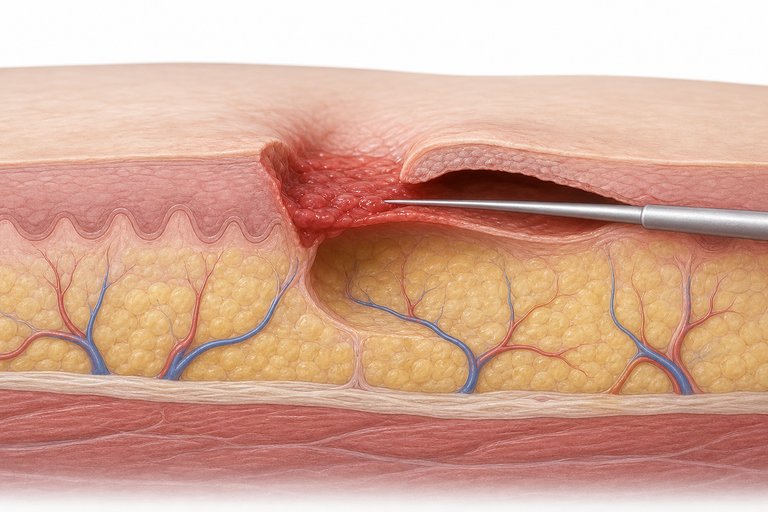
Undermining is tissue destruction beneath an intact wound edge, creating a shelf-like cavity. It should be measured and documented by depth and clock-face location according to local practice.
Fever, confusion, rapid breathing, and hypotension may indicate systemic infection or sepsis. This requires urgent evaluation and treatment rather than routine wound follow-up alone.

Free CourseOphthalmology
5

(7)

4h22m

15 exercises

Free CourseEmbryology
5
(1)
12h03m
19 exercises

Free CourseNeurosurgery training
5
(2)
9h15m
13 exercises

Free CourseCadiology training
5
(5)
8h18m
14 exercises

Free CourseCongenital Heart Disease Echocardiography
5
(1)
21h23m
22 exercises
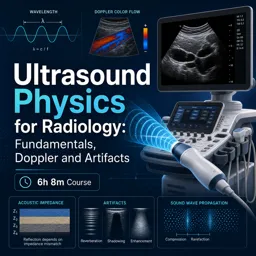
Free CourseUltrasound Physics for Radiology: Fundamentals, Doppler and Artifacts
5
(2)
6h08m
24 exercises

Free CourseMicrobiology
4.7

(11)
8h26m
7 exercises

Free CourseNeuro Pathology
4.7
(3)
16h55m
18 exercises
Thousands of online courses in video, ebooks and audiobooks.
To test your knowledge during online courses
Generated directly from your cell phone's photo gallery and sent to your email

Download our app via QR Code or the links below:.


Carry knowledge in your pocket.
Download the Cursa app.
There are hundreds of free courses available, with a free certificate of completion that is saved in your mobile image gallery.
Download the app to access the Course Completion Certificate for Free.


+ 10 million
students

Free and Valid
Certificate

60 thousand free
exercises

4.8/5 rating in
app stores

Free courses in
video and ebooks