
Exercises
This quiz examines how entrepreneurs can identify, protect, and commercialize intellectual property. Questions cover patents, trademarks, copyrights, trade secrets, provisional patent applications, public disclosure, freedom-to-operate analysis, confidentiality agreements, IP ownership, and licensing. Practical scenarios help you evaluate common decisions that affect a venture's competitive advantage and long-term value.
Answer the questions below and check the explanation for each answer.
0/12 answered
Auto audio on: the next questions will be read aloud when you click Continue.
A utility patent can protect a new, useful, and non-obvious process, machine, manufacture, or composition. Brand names are generally protected by trademarks, while confidential customer lists may qualify as trade secrets.
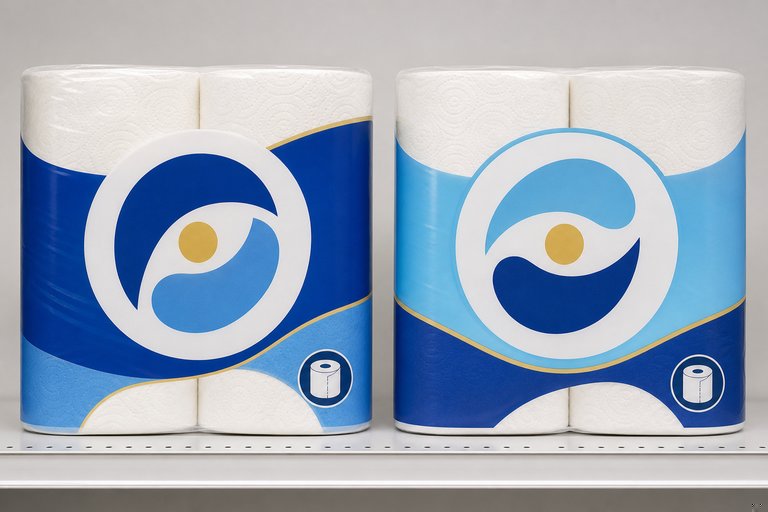
Trademarks protect words, symbols, logos, and other identifiers that distinguish the source of goods or services. A confusingly similar logo on related products may create a likelihood of consumer confusion.
Copyright protects original expression, including qualifying source code, but not abstract ideas, systems, or methods of operation. Other legal protections may apply to functional innovations.

Trade secret protection generally requires information to derive value from secrecy and be subject to reasonable secrecy measures. Access restrictions, security controls, and confidentiality agreements help demonstrate those measures.
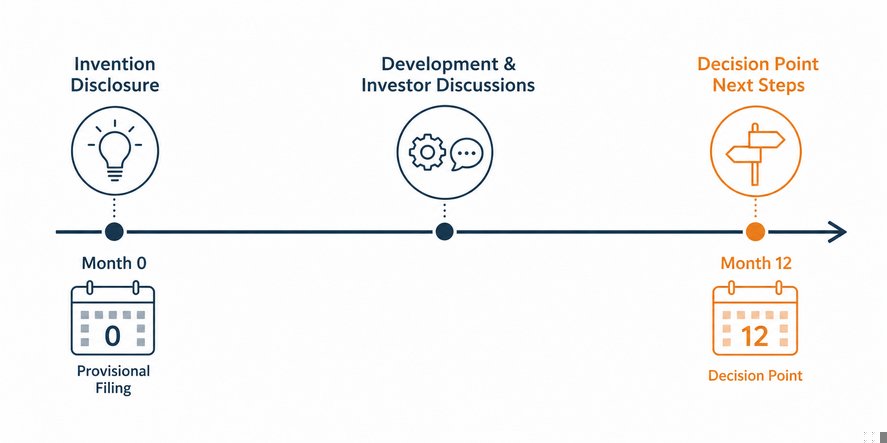
A sufficiently detailed provisional application can establish an early U.S. filing date. A corresponding nonprovisional application generally must be filed within 12 months to claim its benefit; the provisional filing is not itself examined as a patent.
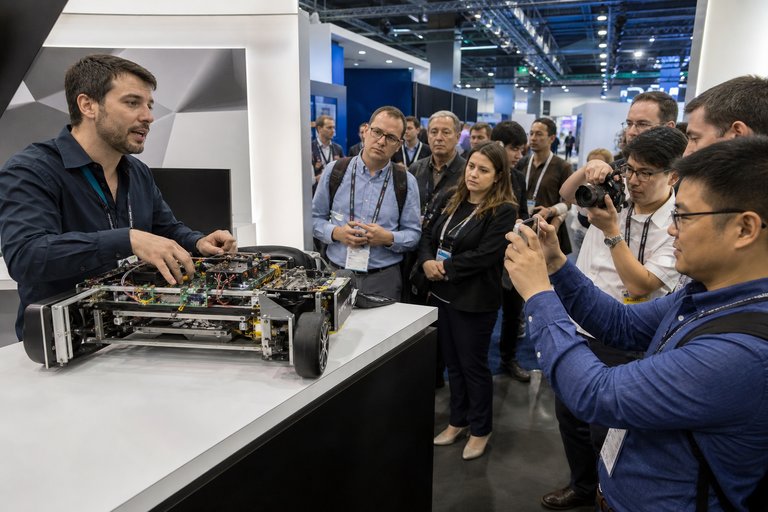
Public disclosure can jeopardize patent rights, especially in jurisdictions requiring absolute novelty. Filing before a public demonstration is generally safest because disclosure grace periods vary by country.
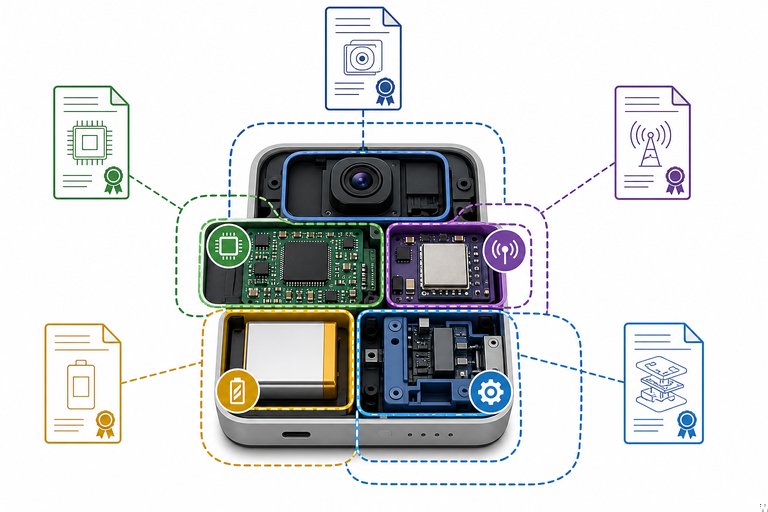
A freedom-to-operate analysis examines relevant third-party rights, particularly enforceable patent claims, that could affect commercialization. It is different from determining whether the startup's own invention is patentable.
An NDA creates contractual duties concerning how defined confidential information may be used and disclosed. It does not register trade secrets, create patents, or automatically transfer ownership.
A written IP assignment clarifies which rights transfer to the startup and can prevent ownership disputes. Payment alone or branding the final product does not necessarily transfer intellectual property rights.

Utility patents can protect qualifying functional inventions, while U.S. design patents can protect qualifying ornamental designs for articles of manufacture. The applicable requirements and scope differ.
A coined or fanciful term such as Zorvanta is generally more inherently distinctive than wording that directly describes product qualities or the goods themselves. Greater distinctiveness often supports stronger trademark protection.
A license should clearly define which rights are granted and any limits concerning territory, field of use, duration, and exclusivity. These provisions determine where and how the licensee may commercialize the technology.

Free CourseOperations Management Course: Strategy, Planning, Quality and Inventory
5

(2)

32h22m

28 exercises
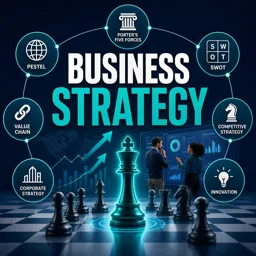
Free CourseBusiness Strategy
4.9
(12)
3h46m
24 exercises

Free CourseStartups Secrets
4.8
(12)
28h02m
14 exercises
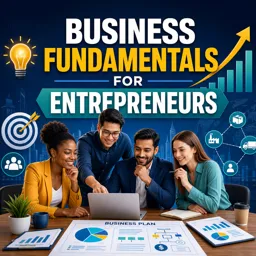
Free CourseBusiness Fundamentals for Entrepreneurs
4.8
(5)
23h49m
50 exercises

Free CourseEntrepreneurship course
4.7

(10)
43h30m
43 exercises

Free CourseTechnology Entrepreneurship
4.7
(156)
7h19m
20 exercises

Free CourseLeadership and Team effectiveness
4.6
(19)
34h01m
33 exercises

Free CourseEntrepreneurship 101
4.6
(14)
1h15m
6 exercises
Thousands of online courses in video, ebooks and audiobooks.
To test your knowledge during online courses
Generated directly from your cell phone's photo gallery and sent to your email

Download our app via QR Code or the links below:.


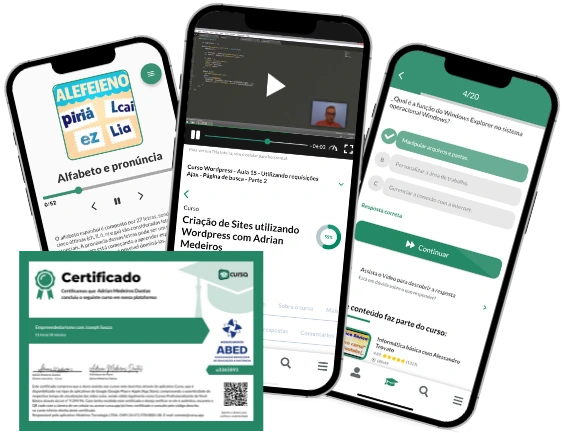
Carry knowledge in your pocket.
Download the Cursa app.
There are hundreds of free courses available, with a free certificate of completion that is saved in your mobile image gallery.
Download the app to access the Course Completion Certificate for Free.


+ 10 million
students

Free and Valid
Certificate

60 thousand free
exercises

4.8/5 rating in
app stores

Free courses in
video and ebooks