
Exercises
Explore the principles behind sustainable architecture design with this engaging quiz. Test your understanding of green buildings, passive design strategies, locally sourced materials, green roofs, and leading sustainability certification systems. Questions also cover biophilic design, thermal mass, solar energy, greywater recycling, and daylighting. Whether you are a student, design professional, or sustainability enthusiast, this quiz helps you review essential concepts for creating healthier, lower-impact, energy-efficient buildings.
Answer the questions below and check the explanation for each answer.
0/10 answered
Auto audio on: the next questions will be read aloud when you click Continue.
The term green building refers to structures that emphasize environmental sustainability. This includes efficient use of resources like energy and water, reducing waste and pollution, and selecting environmentally friendly materials. While green buildings may incorporate greenery or eco-friendly paints, their primary focus is on sustainability and reducing their environmental footprint.
Passive design strategies focus on maximizing the natural environment to improve building comfort and efficiency without relying on active mechanical systems. Building orientation is a passive strategy as it involves positioning the building to take advantage of natural sunlight, wind patterns, and thermal mass to heat or cool the building naturally.
A major benefit of using locally sourced materials in sustainable architecture is reduced transportation emissions. By sourcing materials locally, the distance they need to travel decreases significantly, which results in lower emissions from transportation, contributing to environmental sustainability.
The primary purpose of a green roof is to increase thermal insulation and manage stormwater. Green roofs are designed to provide ecological benefits such as reducing the heat island effect, improving thermal performance by insulating buildings, and managing stormwater due to their ability to absorb rainfall. While they may contribute to air quality and offer recreational space, these are secondary benefits.
LEED (Leadership in Energy and Environmental Design) is a widely used certification system for assessing the sustainability and environmental performance of buildings. It provides a framework for healthy, efficient, carbon and cost-saving green buildings. On the other hand, ISO 9001 relates to quality management systems and FDA approval pertains to the safety of food and drugs, not building sustainability.
Biophilia in architecture refers to the integration of natural elements and systems into the built environment. This concept emphasizes creating spaces that connect people more closely with nature, enhancing both aesthetic and psychological well-being.
The primary function of a building's thermal mass is to absorb and store heat energy for temperature regulation. Thermal mass helps in maintaining a stable indoor temperature by absorbing excess heat during the day and releasing it at night, thus reducing the need for artificial heating and cooling systems.
Sustainable architecture often incorporates solar energy as the most common renewable energy source. Solar panels can be integrated into building designs to harness solar power efficiently. This form of energy is abundant and provides a clean, sustainable method for reducing reliance on fossil fuels, making buildings more energy-efficient.
The primary goal of using greywater recycling systems in buildings is to re-purpose wastewater for non-potable uses and reduce water consumption. Greywater systems collect water from sinks, showers, and washing machines, treating it for reuse in activities such as irrigation or flushing toilets, effectively conserving water.
Daylighting in sustainable architecture refers to the technique of using natural sunlight to illuminate a building’s interior during the day. The goal is to minimize the need for artificial lighting, thus reducing energy consumption and enhancing occupant comfort. Therefore, option 2 is the correct choice.
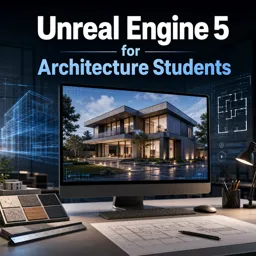
Free CourseUnreal Engine 5 for Architecture Students
5

(1)

3h45m

5 exercises
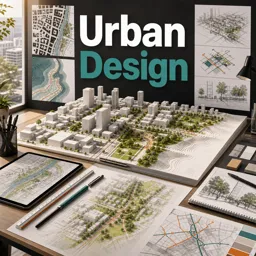
Free CourseUrban Design
5
(1)
4h27m
23 exercises
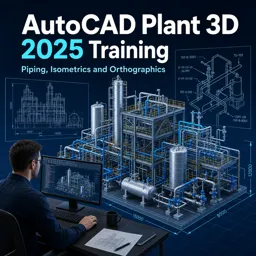
Free CourseAutoCAD Plant 3D 2025 Training: Piping, Isometrics and Orthographics
5
(1)
3h11m
35 exercises
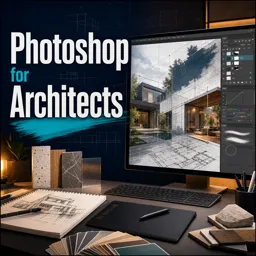
Free CoursePhotoshop for Architects
4.8
(6)
5h46m
12 exercises
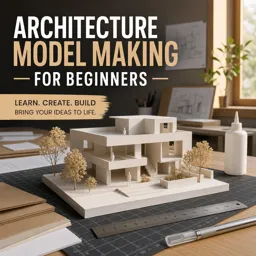
Free CourseArchitecture Model Making for Beginners
4.7

(3)
2h57m
12 exercises
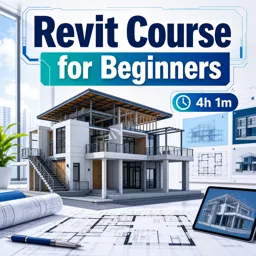
Free CourseRevit course for beginners
4.5
(2)
4h01m
9 exercises
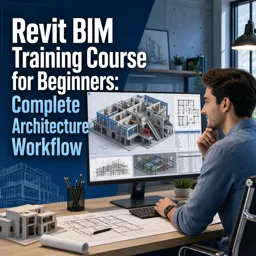
Free CourseRevit BIM Training Course for Beginners: Complete Architecture Workflow
4.5
(2)
5h45m
11 exercises
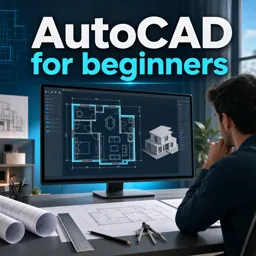
Free CourseAutoCAD for beginners
4.4
(94)
12h24m
26 exercises
Thousands of online courses in video, ebooks and audiobooks.
To test your knowledge during online courses
Generated directly from your cell phone's photo gallery and sent to your email

Download our app via QR Code or the links below:.


Carry knowledge in your pocket.
Download the Cursa app.
There are hundreds of free courses available, with a free certificate of completion that is saved in your mobile image gallery.
Download the app to access the Course Completion Certificate for Free.


+ 10 million
students

Free and Valid
Certificate

60 thousand free
exercises

4.8/5 rating in
app stores

Free courses in
video and ebooks