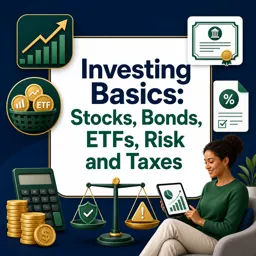
Investing is one of the most effective ways to build long-term financial security, yet it often feels complex or intimidating to beginners. With the right knowledge and approach, anyone can start investing confidently. This article explores why investing is important and the fundamental principles that can guide you toward success.
Introduction to Investing Principles
Investing is not just for the wealthy—it’s a powerful tool for anyone looking to grow their money over time. Whether you’re saving for retirement, a home, or your children’s education, understanding the basics of investing is the first step toward achieving your financial goals.
Why Should You Invest?
Simply saving money in a traditional account may not keep up with inflation, reducing your purchasing power over time. Investing helps your money grow through the power of compounding and market growth, allowing you to reach your financial goals more effectively.
The Core Principles of Investing
- Diversification: Spread investments across various asset classes—stocks, bonds, real estate—to minimize risk.
- Risk Tolerance: Know how much risk you are comfortable with and align your investments accordingly.
- Time Horizon: Match your investment strategy to your timeline—short-term vs. long-term goals.
- Consistency: Regular contributions, even small ones, can grow significantly through compounding.
- Costs Matter: Minimize fees and commissions by choosing low-cost investment options.
- Stay Informed but Avoid Noise: Educate yourself and stay updated, but avoid emotional reactions to short-term market fluctuations.
Getting Started with Investing
Begin by defining your financial goals and assessing your budget to determine how much you can invest. Starting with diversified funds or seeking guidance from a financial advisor can help you make smart, informed decisions from the start.
Conclusion
Successful investing is built on patience, consistency, and a solid understanding of fundamental principles. By applying these concepts, you can navigate the investing landscape with confidence and work toward a secure financial future.