Introduction:
Automation in ecommerce is revolutionizing the way businesses operate, enabling them to streamline processes, enhance efficiency, and ultimately increase sales. By automating routine tasks, businesses can focus more on strategy and growth, improving both customer satisfaction and profitability.
What is Ecommerce Automation?
Ecommerce automation involves using software tools and technology to automate tasks that are traditionally done manually. This can include everything from email marketing and order processing to inventory management and customer service.
Benefits of Ecommerce Automation
- Improved Efficiency: Automation reduces the need for manual intervention in routine tasks, saving time and reducing the possibility of human error.
- Enhanced Customer Experience: With automation, businesses can offer faster service, such as instant order confirmations and real-time tracking updates, improving the overall customer experience.
- Increased Sales: Automated marketing campaigns and personalized recommendations can help boost sales by targeting customers more effectively and upselling based on their buying behavior.
Popular Ecommerce Automation Tools
Some popular automation tools include:
- Email Marketing: Platforms like Mailchimp and Klaviyo allow for automated email marketing campaigns that can be triggered by specific customer actions.
- Inventory Management: Tools like TradeGecko and Unleashed help automate inventory tracking and reorder levels to ensure stock availability.
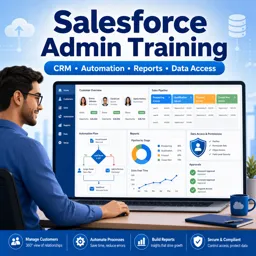
- CRM Systems: Software like HubSpot and Salesforce streamline customer relationship management and personalized communication.
How to Implement Automation in Your Ecommerce Business
- Identify Repetitive Tasks: The first step is to pinpoint tasks that are repetitive and time-consuming.
- Choose the Right Tools: Select software solutions that integrate well with your current systems and meet your business needs.
- Test and Monitor: Before full implementation, test automation processes and continuously monitor performance to ensure they are working as intended.
Conclusion
Ecommerce automation is not just a trend but a necessity for businesses looking to grow and stay competitive. By leveraging automation, ecommerce businesses can focus more on strategic initiatives, ultimately leading to increased sales and a better customer experience.