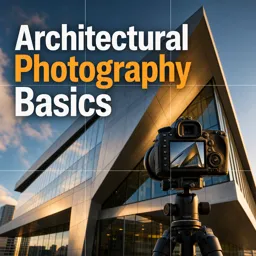
What is Architectural Photography
Architectural photography is a specialized genre that focuses on capturing buildings, interiors, and structures in a visually compelling manner. It highlights the design, lines, form, and function of architecture, whether it’s a historic monument, a modern skyscraper, or a cozy interior.
Essential Equipment
- Camera: A DSLR or mirrorless camera with manual controls is ideal.
- Lenses: Wide-angle lenses are commonly used to capture expansive scenes, while tilt-shift lenses are valuable for correcting perspective distortion.
- Tripod: Essential for sharp images, especially in low light or when using long exposures.
- Remote Shutter Release: Minimizes camera shake during long exposures.
Understanding Composition
Composition is crucial in architectural photography. Pay attention to the following:
- Lines and Symmetry: Use the lines in architecture to lead the viewer’s eye through the image. Symmetry adds a sense of harmony.
- Framing: Use doorways, windows, or natural elements to frame your shot.
- Perspective: Experiment with vantage points. Sometimes, shooting from a low angle or an adjacent building can provide a unique perspective.
Lighting Matters
Lighting can make or break your architectural photos. Golden hour (just after sunrise or before sunset) offers soft, flattering light. For interior photography, natural light is best, but supplemental lighting may be needed for certain shots. Long exposures at night can beautifully showcase illuminated structures.
Post-Processing
Editing software like Adobe Lightroom or Photoshop allows you to correct distortion, enhance colors, and fine-tune the details. Be careful not to over-edit—maintain the authenticity of the structure.
Tips for Success
- Scout your location in advance to determine the best time for shooting.
- Pay attention to weather conditions and how they might affect lighting and reflections.
- Include people for scale or to add a narrative element to your images.
- Always ask for permission if you are photographing private property or interiors.
Conclusion
Architectural photography combines technical skill, artistic vision, and a genuine appreciation for design. With practice and attention to detail, you can create images that capture the essence and beauty of architecture, telling its story through your lens.